
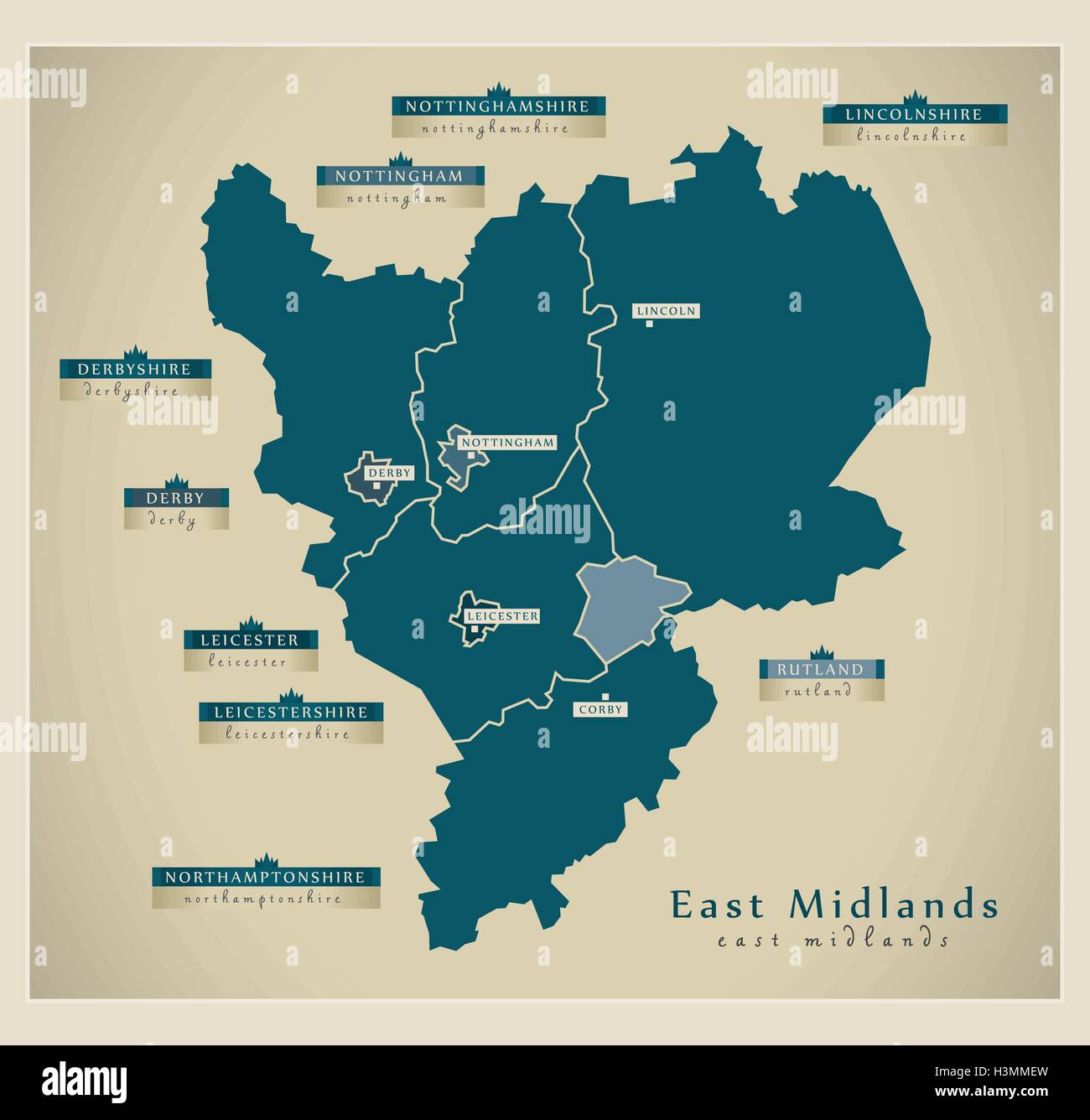
Between 2010 and 2024, the East Midlands Young Persons Diabetes Registry recorded 1,678 children aged zero to 14 years diagnosed with Type 1 diabetes.

The registry work captures a period of shifting regional patterns across 11 young person’s diabetes clinics in the area. Contemporary longitudinal data describing these presentations have remained limited until now, while temporal patterns fluctuate across different populations.
The findings offer a close look at how clinical presentations shifted over a decade and a half. Investigators tracked changes in age, blood glucose, and other diagnostic characteristics across the extensive study window.
The study population showed an approximately equal sex distribution among the 1,678 participants.
Smaller numbers represented Mixed, Asian, Black, and Other ethnic backgrounds.
Researchers used residential postcodes at the time of diagnosis to categorize patients within the East Midlands registry.
Clinical metrics at diagnosis revealed severe baseline markers for many patients. HbA1c had a median value of 102 mmol/mol among 1,503 analysable children, while blood glucose sat at a median of 25.7 mmol/L for 1,334 participants.
Diabetic ketoacidosis appeared frequently among patients with an analysable pH. Out of 1,126 children with valid pH measurements, 36.1% presented with diabetic ketoacidosis.
That subset broke down further into distinct severity tiers. Severe cases with a pH under 7.1 accounted for 37.3% of those presentations, while moderate cases represented 23.1% and mild cases made up 39.6%.
Age at diagnosis varied across the calendar years covered by the registry. Median age increased descriptively from 5.1 years in 2010 to over 9 years from 2017 onward, eventually reaching 10.6 years in 2024.
Researchers said that the age composition of registry participants also shifted over time. Investigators observed relatively greater representation among children aged 10 to 14 years in later years, alongside lower representation in the zero-to-four age bracket.
HbA1c levels also differed across calendar years. Annual medians ranged from 92 mmol/mol in 2011 to 109 mmol/mol in 2024, though the final year’s estimate relied on a smaller subset of observations.
Seasonal variation in recorded diagnoses remained modest across the 15-year dataset. The registry operates under a protocol approved by the North East Newcastle and North Tyneside 1 Research Ethics Committee on June 6, 2022, governing data collection, consent, and secure storage at Newcastle University.
Keep reading

PM Modi Extends Diwali Greetings to Sam Pitroda Amid Warm Personal Remarks
Prime Minister Narendra Modi responded on Thursday to Diwali greetings from Indian Overseas Congress chief Sam Pitroda by...

Cardiovascular Research Institute Opens New Dublin Office to Expand Operations
Ireland’s only dedicated cardiovascular research centre has opened a new Dublin 2 office to expand operations, bringing clinical...

Indonesia Vice President Gibran Rakabuming Raka Resigns
Indonesian Vice President Gibran Rakabuming Raka announced his resignation on Thursday, ending a political crisis. If Gibran had...

Adobe and Google Expand Partnership to Link AI and Creative Tools
Adobe and Google announced an expanded strategic partnership at Adobe MAX in Miami on Tuesday linking major document...