Tennessee Property Fraud Suit Revived After Stolen Identity House Sale
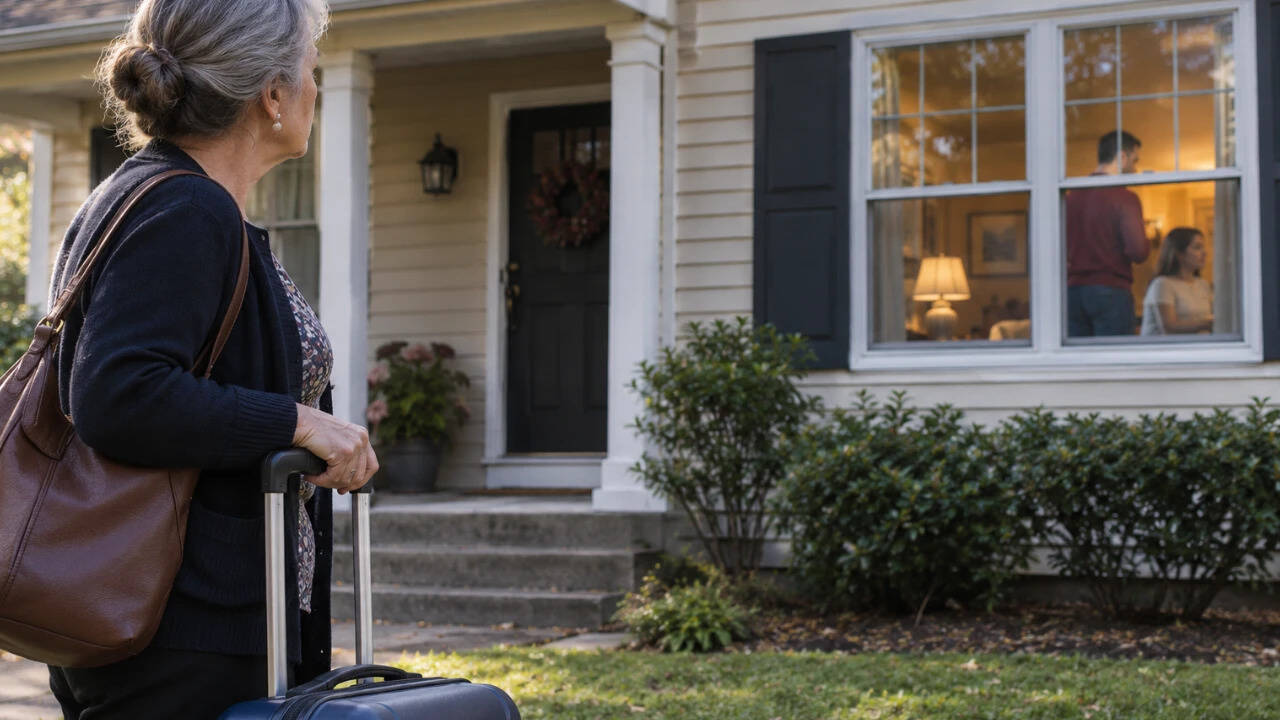
A Tennessee appeals court has revived a fraud claim brought by Barbara Chesnut, who discovered in 2021 that her inherited house in Cottontown, Tennessee, had been sold out from under her while she was living abroad. According to court records, an imposter posing as “Dorothy Chestnut” used fabricated affidavits and an Arizona driving licence to sell the property to Ultra Home Solutions, LLC in January 2020. While the state appeals court upheld the dismissal of Chesnut’s negligence claims against Rudy Title and Escrow, LLC, it ruled that her intentional fraud allegations against the title company must move forward.
The civil litigation centers on a title transfer that occurred while Chesnut was overseas. Court documents show that Chesnut originally acquired the Cottontown property in 2012 following the death of her brother, James Upchurch, who died without leaving a will. After living in the home and later permitting occupants—including Vickie Podczervinski—to reside there, Chesnut relocated to the United Arab Emirates. When the Covid-19 pandemic disrupted international travel, she was unable to return to the United States for a considerable period. During this time, an individual presented herself as “Dorothy Chestnut” and claimed that she was the only child of Chesnut’s deceased brother, facilitating the illegal January 2020 sale handled by Rudy Title and Escrow, LLC.
The Bottom Line:
- Asset Vulnerability: Real estate held by overseas owners faces distinct liquidity and title vulnerabilities when fraudsters exploit remote closing procedures.
- Legal Thresholds: The Tennessee Court of Appeals drew a sharp legal line, dismissing ordinary negligence while preserving intentional fraud claims against intermediaries.
- Chain of Title Disruption: Sumner County records show the disputed property was transferred multiple times following the initial 2020 fraudulent sale.
In August 2022, Chesnut filed suit in the Sumner County Circuit Court seeking at least $1 million in damages and official recognition of her ownership. She named the title company, the original buyer, John Gleaves, and subsequent purchasers in her case. Although proceedings against the other parties were later dismissed or withdrawn, Rudy Title remained the remaining defendant, successfully arguing in March 2025 that it owed no direct legal duty of care to Chesnut because no contractual relationship existed between them. The trial court dismissed the entire lawsuit.
The Tennessee Court of Appeals reviewed the dismissal. The judges found that Rudy Title had asked the lower court to dismiss the negligence claim without addressing Chesnut’s accusation of intentional fraudulent conduct. The circuit court had nevertheless dismissed the whole lawsuit, including the allegation that had not been examined in the company’s request. The appeals court found that this was improper and restored the fraud portion of Chesnut’s case. It directed the lower court to conduct further proceedings.
As the civil case returns to the trial level, the proceedings will test the legal liabilities of title and escrow companies when forged documentation infiltrates residential property transactions.
Disclaimer: The information provided in this article is for educational and market analysis purposes only and does not constitute financial, investment, or legal advice. Always consult with a certified financial professional before making investment decisions.

Shadaya Bennett Joins CZ Strategies as Vice President
From Assembly Chief of Staff to Trenton Lobbying Vice President Shadaya Bennett has joined Christina Zuk’s Trenton lobbying...

Southern Connecticut Field Hockey Loses 1-0 to SNHU
Southern Connecticut Field Hockey Drops Narrow 1-0 Decision to SNHU at Jess Dow Field Southern Connecticut State held...

Rasheem Biles Delivers Dominant Performance Against Mississippi State
Rasheem Biles Unleashes Career Performance Against Mississippi State Amid Family Loss “I know that they are back home...

Carson City Petition Seeks Voter Approval for Purchases Over $10 Million
Carson City residents could soon have direct veto power over major municipal expenditures following the collapse of a...