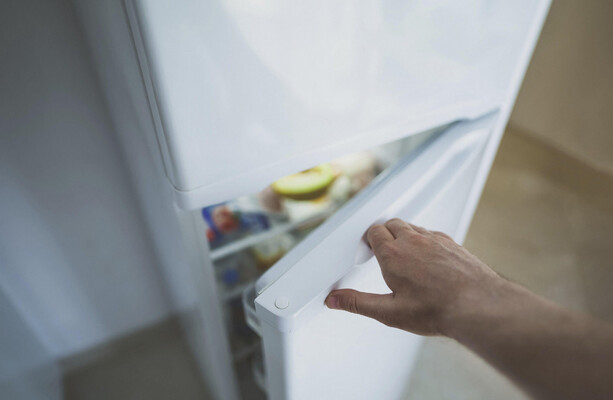
A look into the history and trivia of refrigeration has surfaced, covering its presence in literature, film, and the kitchen.
While the appliance is often viewed through a purely utilitarian lens, its footprint extends into various sectors of media and pop culture. From the technical beginnings of refrigeration to the specific tropes used by screenwriters, the “coolest” appliance in the modern home carries significant cultural weight.
The history of the technology began long before the sleek, smart-fridges of the current era. William Cullen designed the first refrigeration machine in 1755, though the device was notably inefficient in its early stages.
In narrative storytelling, the term "fridging" has become a specific piece of literary and cinematic jargon. Within the industry, the term refers to the practice of freezing out a main character to advance a story, or more specifically, when female characters face disproportionate harm to advance the stories of male characters.

Hollywood has also utilized the appliance as a literal plot device in high-stakes action sequences. In Indiana Jones and the Kingdom of the Crystal Skull, the protagonist famously utilizes a refrigerator to survive a nuclear blast, a moment that remains a significant piece of franchise trivia.
Similarly, the Pixar film WALL‑E features a refrigerator serving as a vital protector for a small green plant, illustrating the appliance’s role as a symbol of preservation.
The cultural reach of the fridge extends into personal hobbies. Louise J. Greenfarb holds the Guinness World Record for the largest collection of magnets, reflecting the domestic fascination with the device.
Even professional sports have adopted the nomenclature, as seen in the nickname of former American football player William Anthony Perry, known as “The Refridgerator.”
For the modern consumer, understanding the appliance also involves practical knowledge of maintenance and efficiency. Industry leaders like Whirlpool provide guidance on food storage, noting that certain items are better suited for other environments rather than the fridge.
As we look at the intersection of technology and culture, it is clear that the refrigerator is more than just a box for food. It is a tool of survival in cinema, a trope in literature, and a centerpiece of the modern domestic experience.
Disclaimer: The cultural analyses and financial data presented in this article are based on available public records and industry metrics at the time of publication.
Keep reading

Dave Chappelle Says He ‘Feels Better’ After Charlie Kirk’s Death
Dave Chappelle faces backlash over Charlie Kirk remarks “Ever since that guy Charlie Kirk got murdered… and I...

Dublin Tattoo Convention Attendees and Artists Share Their Experiences
Dublin Tattoo Convention Turns RDS into a Living Gallery “Every now and again I get an itch. I...

Patrick Graham Wins Inaugural Francis Bacon Lifetime Achievement Award
Dublin city centre is currently hosting the Dublin Gallery Weekend, a multi-day event that spans streets and venues...

StyleCaster: Harry and Meghan Send Message by Bypassing Royal Christmas
The Sussex Holiday Strategy: A Quiet Pivot from Sandringham The annual guest list at Sandringham has long served...