
The Snake Pit’s Century-Long Run in Enaville
At the fork of the Coeur d’Alene River in North Idaho, a wooden structure continues to serve customers nearly 146 years after it first opened its doors. The Snake Pit, located near Enaville, remains the oldest bar and restaurant in the state, standing as a physical record of the region’s evolution from a rugged industrial outpost to a modern destination, BoiseDev reported.
Established in 1880, the building functioned as a central node for a boom-town economy. In the late 19th century, it operated as a railroad layover, hotel, and brothel, serving as a primary transit point for miners and loggers who populated the area. The community of Enaville, situated about a 30-minute drive from Coeur d’Alene and just north of Kingston along Interstate 90, was historically known as the “Gateway to the Upper North Fork.”
From Railroad Hub to Historical Landmark
The building’s interior serves as a repository of local history, with nearly every fixture holding a specific connection to the past. The flooring originated from a bungalow in Cataldo, while the walls feature a painting by Joe Breckenridge, a figure local lore remembers as the “fastest artist in the West.”
The site’s historical utility extended well into the 20th century. During the 1930s and 1940s, the local post office acted as a mail distribution hub for young men serving in the Civilian Conservation Corps camps along the Upper North Fork. The furniture inside reflects the handiwork of a man identified as Equil, who worked from a cabin behind the establishment in the 1950s. Among these pieces is the “horny chair,” crafted in 1954 from the skin and antlers of a harvested elk.

The Evolution of Ownership
The name of the establishment remains a subject of debate among locals. Some accounts suggest the title refers to water snakes frequently spotted near the property’s historical outhouses, while others point to the women who frequented the bar during its earlier, more volatile years.
Today, the operation is managed by Autumn and Viljo Basso, who purchased the restaurant three years ago. The establishment now serves breakfast, lunch, and dinner, maintaining a schedule that runs from Thursday through Sunday. While the upstairs area remains closed to the public, it continues to house original furniture built by Equil, including beds and dressers that date back to the mid-20th century.
The survival of the site offers a window into the demographic shifts of North Idaho, tracing the timeline from the arrival of Finnish settlers to the eventual transition of the region into a destination for modern travelers. Though the industry that once fueled the town—logging, mining, and rail transport—has largely receded, the physical structure persists as a functioning link to the state’s frontier origins.
Worth a look
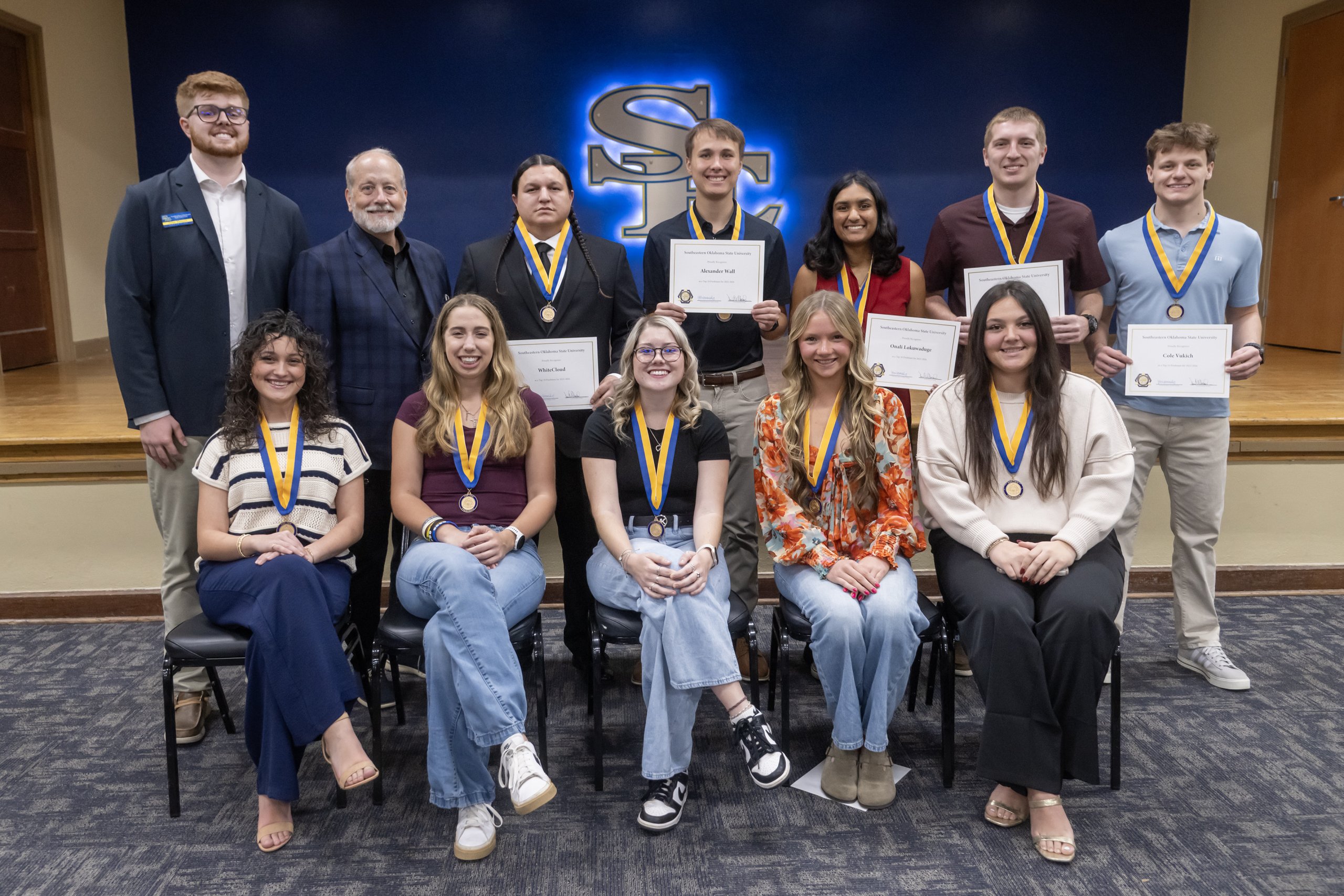
Southeastern Oklahoma State Honors Top Ten Freshmen Students
Southeastern Oklahoma State University honors the 2025-26 Top Ten Freshmen Southeastern Oklahoma State University held a ceremony and...

Carolyn Jane Norman, 80, Beloved Mother and Community Supporter
Carolyn Jane Norman passes away at age 80 Carolyn Jane Norman, a long-time resident of East Grand Forks,...

NYCFC and D.C. United Face Season Finale Amid Injury Struggles
New York City FC and D.C. United are both mathematically eliminated from the MLS postseason, setting the stage...

Ohio University graduate Michael Whittemore releases Ecology book
Michael Whittemore bridges ecological science and professional practice Michael Whittemore is currently managing a multifaceted career that spans...