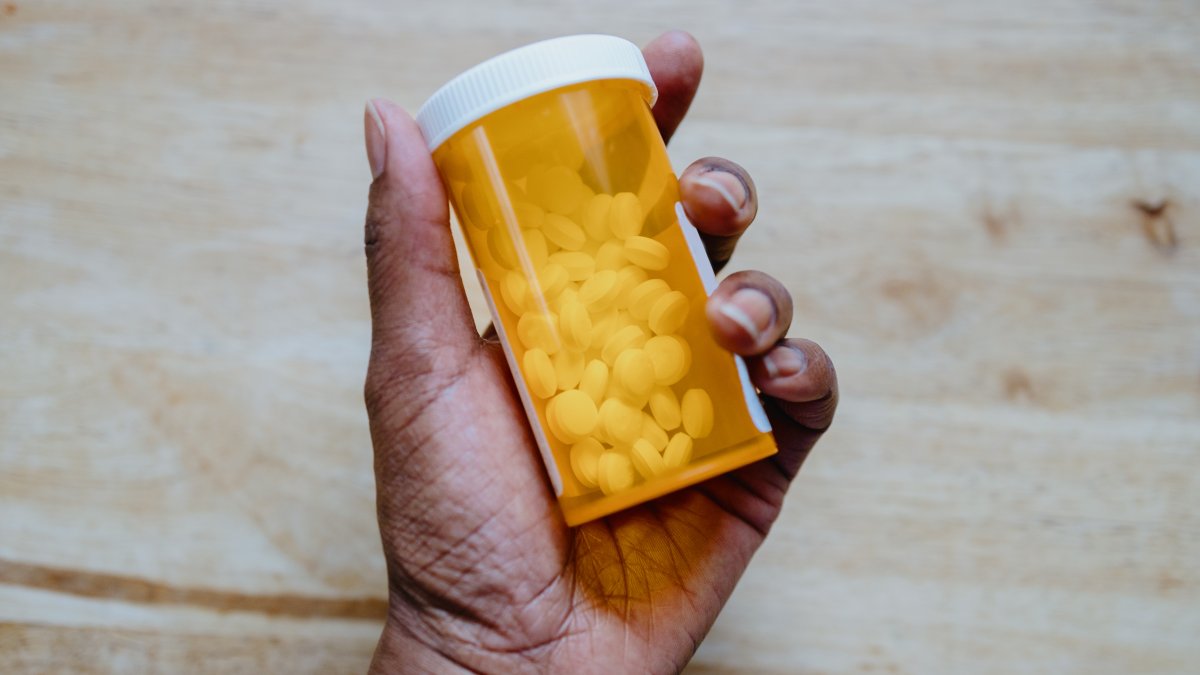
“Failed dissolution specifications.” That dry, technical phrase from the Food and Drug Administration’s enforcement report is the reason more than 3,700 bottles of a popular three-in-one blood pressure medication disappeared from pharmacy shelves across the country last month, NBC 5 Chicago reported.
The New Jersey-based Macleods Pharma USA Inc. initiated the voluntary recall on October 7 for Olmesartan Medoxomil, Amlodipine, and Hydrochlorothiazide tablets in the 40 mg/10 mg/12.5 mg strength. On October 26, the FDA classified the action as a Class II recall, a designation the agency reserves for products where:
use of the affected medication “may cause temporary or medically reversible adverse health consequences” but the likelihood of serious health consequences is considered remote.
3,744 Bottles Pulled From Two Lots Nationwide
The recall covers two specific lots distributed across the United States: 3,528 bottles of 30-count tablets and 216 bottles of 90-count tablets. Consumers can identify affected medication by checking for lot number 12251163A on 30-count bottles bearing National Drug Code 33342-246-07, or lot number 12251163B on 90-count bottles with NDC 33342-246-10, Fox Business reports. Both lots carry an expiration date of May 31, 2027.
The medication is a generic version of the brand-name drug Tribenzor, which the Mayo Clinic notes is prescribed to treat hypertension. While brand-name Tribenzor is not included in the recall, USA Today cautions that patients unsure whether they are taking the generic version should verify their bottle against the listed lot numbers and NDCs. If a pharmacy repackaged the pills, Medical Daily advises asking the pharmacist to check the original lot information.

Why Dissolution Failure Threatens Blood Pressure Control
Dissolution testing measures how quickly a tablet releases its active ingredient when placed in liquid. When pills fail this specification, the body may absorb less medicine than intended, leaving blood pressure higher than it should be, Medical Daily explains. Prevention reports that this means the drug may be ineffective because the active ingredients do not release inside the body at the proper rate.
The three-drug combination works through complementary mechanisms: olmesartan blocks a hormone that narrows blood vessels, amlodipine relaxes those vessels as a calcium channel blocker, and hydrochlorothiazide acts as a diuretic to help the body shed salt and water. If the tablet does not dissolve correctly in the digestive tract, none of these protective effects may reach therapeutic levels, potentially leaving patients unknowingly unprotected against heart attack and stroke.
A String of Dissolution Failures This Fall
Fox Business reports that in September, India-based Inventia Healthcare Ltd. recalled 13,567 bottles of 25-milligram chlorthalidone tablets after that blood pressure medication also failed dissolution testing. Medical Daily adds that an earlier Ascend recall of the same three-drug combination, started in May, covered 15,696 bottles.
Class II drug recalls typically appear in the FDA’s weekly enforcement report rather than in a public press release, which helps explain why this recall reached mainstream news weeks after it began on October 7, Medical Daily notes. The agency maintains public recall definitions that distinguish these reversible-risk events from Class I recalls, which involve a reasonable probability of serious harm or death.
What Patients Should Do With Affected Bottles
According to its enforcement report, the FDA sent letters to notify businesses and consumers who may have received the medication, but issued no separate public news release. Prevention advises anyone holding the affected lots to contact their prescribing doctor before discontinuing use. Medical Daily warns that stopping blood pressure medication suddenly can cause readings to spike dangerously.
Patients taking the recalled pills should monitor their blood pressure and call their prescriber if readings run consistently higher than usual. However, a reading above 180/120 combined with chest pain, shortness of breath, back pain, numbness, weakness, vision changes, or trouble speaking requires immediate emergency care through 911, as these symptoms can indicate a hypertensive emergency, heart attack, or stroke.

The recall remains ongoing, and no shortage of the combination pill has been announced. Macleods Pharma USA could not immediately be reached for comment by NBC 5 Chicago, Fox Business, or Medical Daily. Patients can report adverse events to the FDA’s MedWatch program.
For now, the responsibility falls on patients to cross-reference their medicine cabinets against the FDA’s enforcement report and decide with their healthcare providers whether to finish their current supply or seek replacement medication.
Keep reading
Haryana unveils SAATH project for mental health in 200 schools
Two hundred government schools. That's the footprint of Haryana's new SAATH project, a structured school-based mental health initiative...

Indonesia revises electric bus target to 90% by 2040, 100% by 2045—Muiz Thohir
Think you have a budget challenge? Try electrifying an entire country's public bus system. Indonesia, a sprawling archipelago...

Teresa O’Halloran of Foxford dies in her 96th year
Teresa (Ellen) O'Halloran of Kennedy Villa, Swinford Road, Foxford, County Mayo — in Irish, Eibhlín Bn Uí hAllmhúrain...

Texas Senator James Talarico reveals type 1 diabetes diagnosis
"I Was Lucky to Be Alive": How a 25-Mile Campaign Walk Led Texas Senator James Talarico to a...