
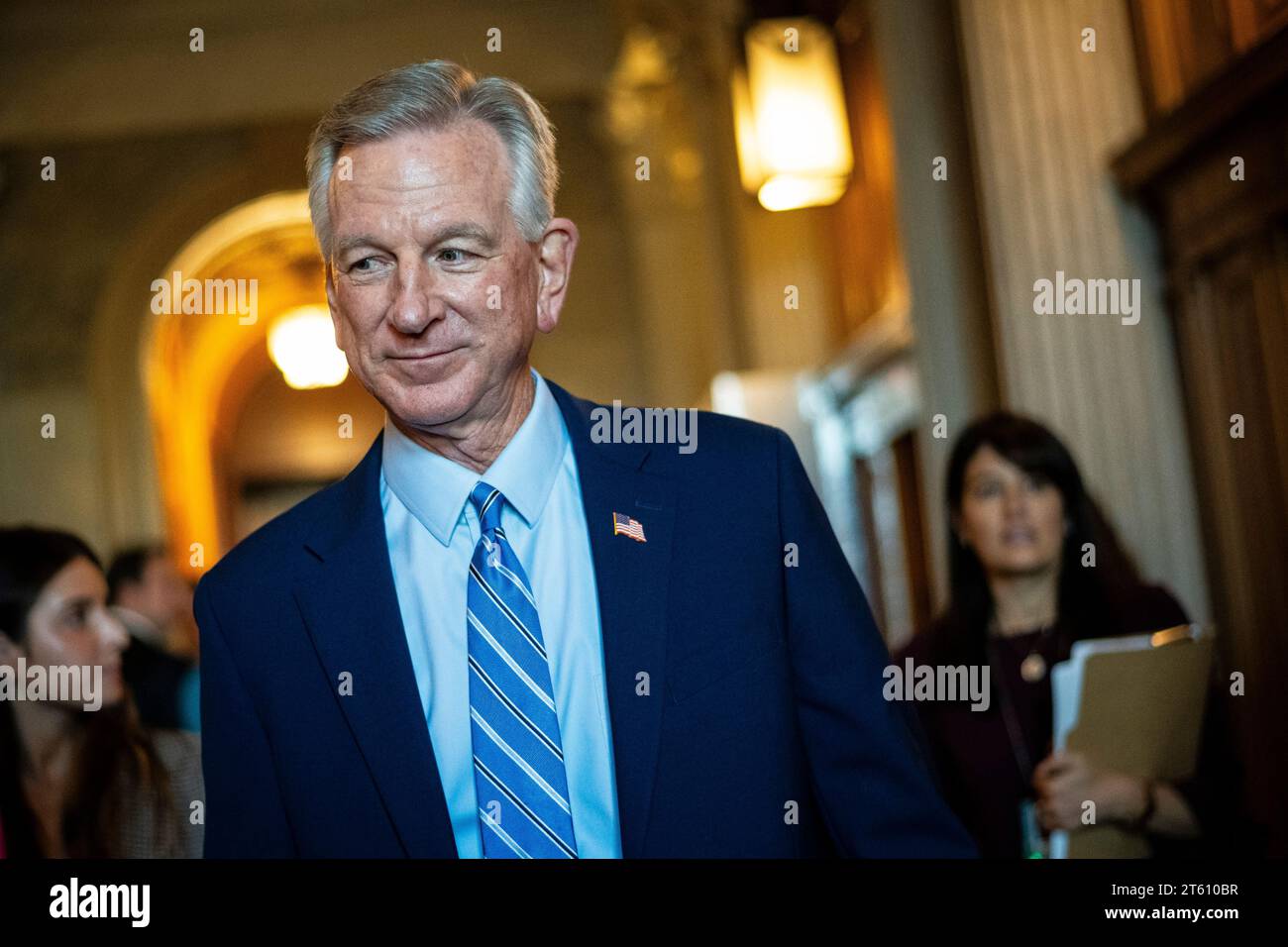
Republican U.S. Sen. Tommy Tuberville has raised approximately $17.7 million in his bid for Alabama governor, out-pacing Democrat Doug Jones, who has brought in roughly $6.7 million. An analysis of campaign finance records filed with the Alabama Secretary of State through October 27, 2026, reveals not just a stark difference in total capital, but a fundamental divide in how each campaign is being bankrolled.
Who is providing the campaign cash?
The financial architecture of these two campaigns reveals two distinct strategies. For Tuberville, the donor base is heavily reliant on large-dollar contributions. Records show that 87% of his funding comes from donors contributing $5,000 or more, with roughly 40 of them giving $100,000 or more each. While individuals account for about half of his total haul, businesses provide a massive injection of capital, accounting for roughly $8 million of his total intake.
Chism Strategies poll | 10/22-10/24 LVAlabama Governor 2026🟥Tommy Tuberville 48%🟦Doug Jones 45%https://t.co/EJ8BDyLTOD
— https://x.com/PollTracker2024/status/2115585306686615687
In contrast, Doug Jones’ campaign operates on a model that leans heavily on smaller, individual donors. Approximately 98% of the money raised by Jones comes from individuals, with 40% of his total contributions arriving in increments of $100 or less. Notably, no single donor has contributed $100,000 or more to the Jones campaign, and business or PAC support represents only about 2% of his total reported funds. Voters can examine these granular details themselves via the Secretary of State’s campaign finance website.
| Donor Type | Tuberville | Jones |
|---|---|---|
| Individuals | $8,821,394 | $6,613,760 |
| Businesses | $8,030,361 | $76,235 |
| PACs | $703,612 | $71,810 |
| Unspecified | $175,097 | $1,477 |
Where are the resources being deployed?
Both campaigns have funneled the vast majority of their resources into media and advertising, particularly in the final sprint toward the general election. Since May 2025, Tuberville has spent over $15.1 million, with $8.6 million directed to Go Big Media LLC in Washington, D.C. Jones has spent over $6.2 million, and 52% of it went to Lever Communications, or 54% when payments to its affiliate, Joe Trippi and Associates, are included. Trippi is a Democratic strategist.
The spending velocity accelerated dramatically as the election approached. Tuberville’s campaign, which averaged roughly $362,000 in monthly spending from January through August 2026, surged to $4.1 million in September and $5.9 million in October. Jones saw a similar, though smaller-scale, trend: after averaging $277,000 per month earlier in the year, his spending climbed to more than $1.4 million in September and more than $2.5 million in October.
Political Action Committees (PACs) played a late, influential role in the Tuberville campaign’s coffers. In the final days of October, four PACs—Tiger Paw PAC, Alabama Builders PAC, Alabama Medical PAC, and Nucor’s PAC—contributed a combined $350,000. Additionally, ProgressPAC, the political arm of the Business Council of Alabama, provided $229,883 in in-kind support for advertising and mailers.
Does the geography of funding favor one side?
Despite the differences in donor type, both candidates draw the bulk of their itemized funding from within Alabama. Approximately 80% of each candidate’s money originates from in-state contributors. Birmingham stands as the primary fundraising hub for both campaigns, with Tuberville drawing $2.4 million from the city and Jones drawing $1.46 million.
The influence of out-of-state money is present but secondary for both. Jones has received roughly $985,746 from outside Alabama, while Tuberville has secured $3.3 million from out-of-state donors. This geographic distribution suggests that while the candidates have varying national appeal, their financial foundations remain deeply rooted in the state they seek to govern.
As of the most recent filings, Tuberville holds approximately $2.2 million in cash on hand, while Jones reports $508,461. With the final days of the campaign cycle underway, the disparity in available resources highlights the contrasting paths the two campaigns have taken to reach the electorate. While Tuberville has secured significant backing from the corporate and PAC sectors, Jones has built his campaign on a wider base of individual contributors, leaving voters to weigh these different financial strategies against the candidates’ stated platforms as they head to the polls.
Keep reading

Lawmakers call to reform Louisiana’s ‘blatantly unconstitutional’ justice of the peace system
Louisiana Lawmakers Demand Reform of Fee-Driven Eviction Courts A bipartisan group of senior Louisiana lawmakers has called for...

Trump cancels Iowa, Kansas midterm events, opts for ‘tele-rallies’ – Al Jazeera
With just days left until the November 3 midterm elections, President Donald Trump has scrapped his physical campaign...

A Busy Halloween Weekend in Leelanau County | The Ticker
Leelanau County Prepares for a Rare Weekend Halloween Lineup When Halloween lands squarely on a Friday and Saturday,...
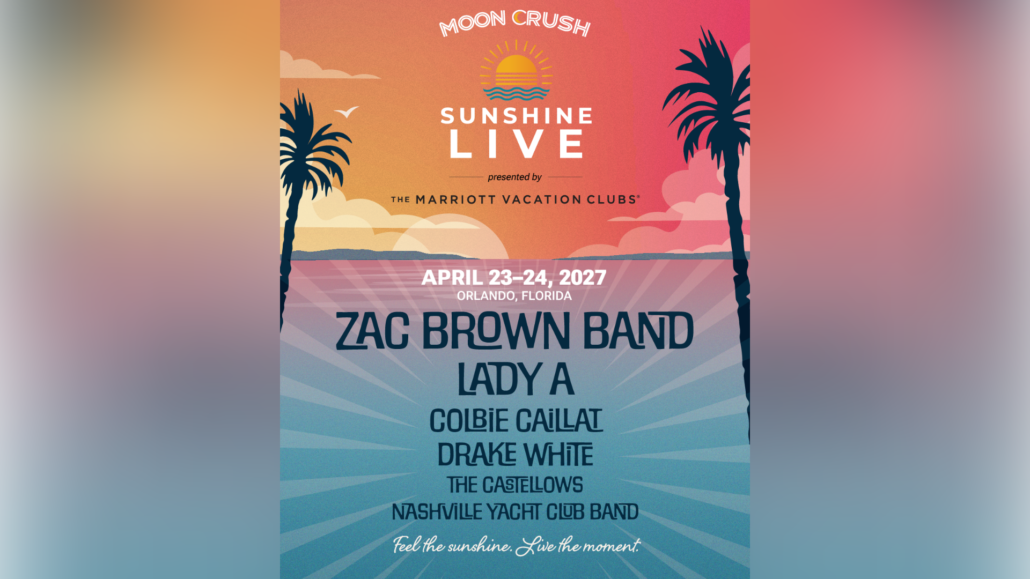
Zac Brown Band, Lady A To Headline New Moon Crush Weekend In Orlando
Zac Brown Band and Lady A to Headline Inaugural Moon Crush Sunshine Live in Orlando When the Moon...