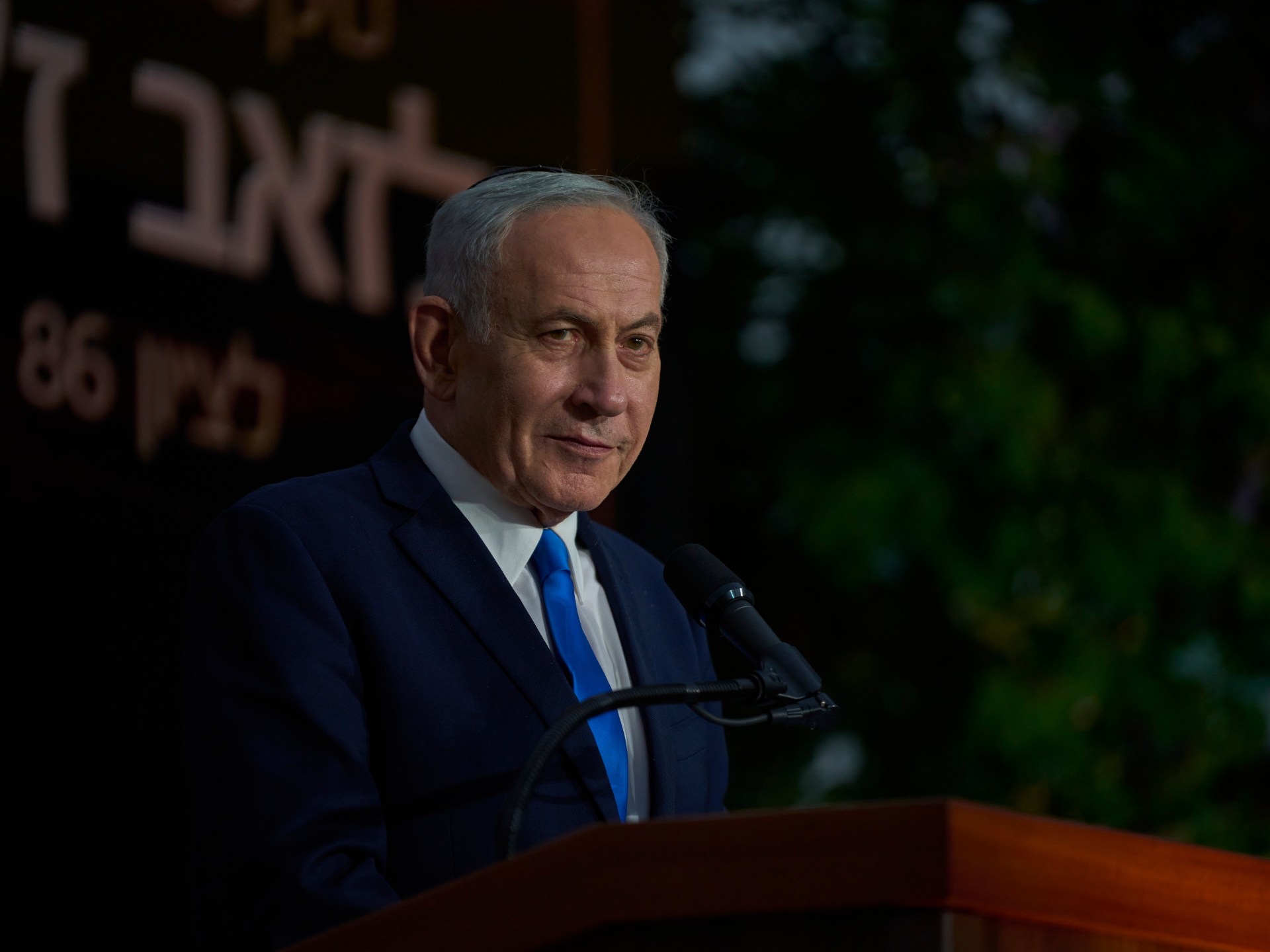
U.S. President Donald Trump and Israeli Prime Minister Benjamin Netanyahu met at the White House on Tuesday to explore diplomatic, economic, and military strategies regarding Iran’s nuclear program. The talks occurred as regional tensions escalated following recent aerial bombing campaigns and retaliatory strikes across the Middle East.
Washington Talks Weigh Options for Iran’s Nuclear Program
U.S. President Donald Trump and Israeli Prime Minister Benjamin Netanyahu met in Washington to discuss potential paths forward for curbing Iran’s nuclear ambitions. According to a senior Israeli official who briefed reporters following the White House meeting, the leaders evaluated three primary strategies including a negotiated deal, continued economic pressure and blockades, and a massive military strike. The Israeli official noted that Netanyahu also introduced unspecified new ideas to the discussion.
Ahead of the summit, Trump had voiced irritation over public leaks concerning Netanyahu’s plans to present intelligence regarding Pickaxe Mountain, a deep-underground nuclear facility that Trump has previously threatened to target. Despite those friction points, the Israeli official pushed back against reports of strained relations, emphasizing that the two allies share intelligence readily and confirming that Netanyahu did not pressure Trump into a military escalation.
The official also acknowledged the underlying dynamic between the two nations, describing Trump as the senior partner and Netanyahu as the junior partner in their shared strategy against Iran. Tehran has consistently maintained that its nuclear program is peaceful and that it is not seeking a weapon.
Political Realities and Rising Domestic Strains
Netanyahu’s visit to Washington arrived at a politically delicate moment for the Israeli leader. Facing an upcoming election in late October, an ongoing corruption trial, and multiple active regional conflicts, Netanyahu has historically relied on his close personal and political ties to Washington to bolster his standing at home, according to security analysts.
However, analysts note that the traditional advantage of Netanyahu’s close alignment with Washington faces new headwinds. Alon Pinkas, a former Israeli ambassador and consul general in New York, told Al Jazeera that the trip served multiple political purposes.
Pinkas added that the visit was also intended to reassure domestic critics that ties with Trump remain strong while hoping for continued international support regarding his legal challenges.
Regional Conflict and Friction Over Arms Sales
The diplomatic meetings took place against a backdrop of expanding conflict. Oil prices surged following a sharp escalation tied to a joint Israeli-U.S. aerial bombing campaign that began on February 28, which drew retaliatory Iranian strikes on Israel and Gulf states. While Israel did not participate in a subsequent two-week U.S. bombing campaign that prompted Tehran to fire on American bases, the Israeli government has maintained warnings of a forceful response to any direct attack.
Strains have also emerged within U.S. political circles. Concerns have been raised in Congress regarding Israel’s settler movement, alongside policy friction over Washington’s consideration of selling F-35 fighter jets to Turkiye and pursuing a nuclear cooperation agreement with Saudi Arabia. When asked about Israeli opposition to the potential sale of aircraft to Turkiye during a press conference aboard Air Force One, Trump dismissed the objections, stating that Nobody tells me what we should be selling
.
Strategic Fallout and What Lies Ahead
Security experts point out that the strategic cost of the conflict has complicated Netanyahu’s standing in Washington. Ahron Bregman, an Israeli security analyst and senior teaching fellow at King’s College London, observed that Netanyahu is viewed by some U.S. observers as having drawn Washington into a discretionary war that evolved into a strategic crisis.

Meanwhile, military actions continued on the ground. U.S. and Saudi forces struck Iran-backed paramilitary groups in Iraq, and Trump vowed strong retaliation after Iran fired on American troops. With Iranian forces confirming missile strikes on U.S. bases in Jordan and shipping in the Strait of Hormuz—alongside the rejection of an Omani proposal to jointly manage the strategic waterway—both Washington and Jerusalem face mounting pressure as they weigh whether diplomacy or further military force will shape the next phase of the conflict.
Related reading
- Israeli Attacks in Gaza Kill Pregnant Woman and 10 Others
- Iran and Gulf Nations Postpone Oman Talks Over Regional Consensus
- Trump calls on Ukraine to halt strikes on diesel, saying attacks are causing a shortage (newsarchyuk.com)
- EU Pledges $200M to Greenland Amid Trump Annexation Threats (archyde.com)

Israeli Attacks in Gaza Kill Pregnant Woman and 10 Others
A pregnant Palestinian woman was shot and killed by Israeli forces in southern Gaza as artillery shelling and...
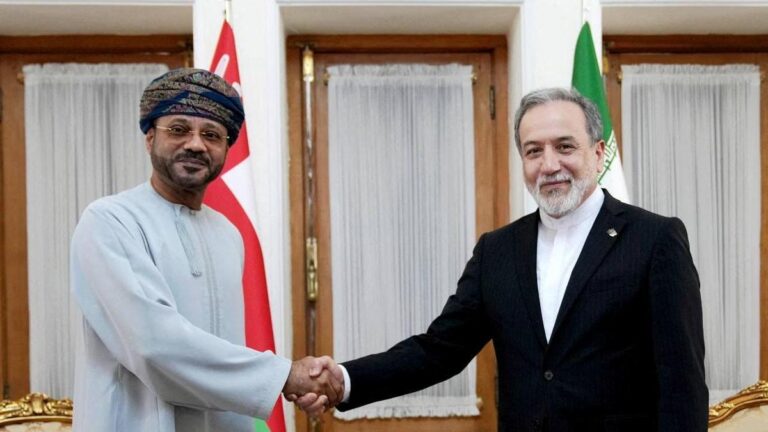
Iran and Gulf Nations Postpone Oman Talks Over Regional Consensus
The delay comes as oil prices fluctuate, U.S. economic sanctions expand, and military tensions in the region escalate...

After Louvre Heist, Robberies Continue at French Museums
Following a dramatic daytime heist at the Louvre, a string of break-ins has struck museums and churches across...
Supermarkets Replace Atlantic Mackerel With Jack Mackerel Amid Skimpflation Warnings
Tinned mackerel on UK supermarket shelves is increasingly being swapped for Chilean jack mackerel due to severe Atlantic...