Oral and maxillofacial surgeons in Türkiye show gaps in routine lymph node examinations and specialized diagnostic confidence despite recognizing primary risk factors, according to a cross-sectional study published in Nature.
Early detection of oral cancer directly improves survival rates, positioning these specialists at the forefront of diagnosing oral potentially malignant disorders and malignancies. Between March and April 2026, researchers gathered data from 130 oral and maxillofacial surgeons, comprising 84 specialists and 46 residents, who completed a 21-item expert-reviewed questionnaire.
While 60.8% of the surveyed surgeons reported performing routine oral examinations for signs of oral cancer, only 35.4% routinely checked cervical lymph nodes. Knowledge levels varied widely depending on the specific clinical indicator evaluated.
| Clinical Knowledge Area | Correct Identification Rate |
|---|---|
| Smoking as a risk factor | 95.4% |
| Earliest clinical sign of oral cancer | 88.5% |
| Typical site of HPV-associated cancers | 46.9% |
| Characteristics of suspicious lymph nodes | 36.2% |
Exploratory analyses from the Nature report revealed that university-based practitioners more frequently reported conducting routine oral exams, lymph node checks, and proper documentation of suspicious lesions.
Although 67.7% of participants had previously made a preliminary diagnosis of oral cancer, just 45.4% felt fully competent to diagnose oral potentially malignant disorders and oral cancer on their own. Educational shortcomings emerged clearly from the survey responses. Nearly all participants, or 99.2%, requested further education on the subject.
59.2% of the respondents disagreed that their residency training regarding oral cancer was adequate. These findings point to an urgent need to strengthen both residency curricula and continuing professional education focused on physical examinations and early diagnosis.
Related reading

Doogee Teases Note 70 With Galaxy S26 Ultra-Like Camera Design
Doogee has teased the Note 70, a budget-focused smartphone that features a 1.8-inch rear display and a camera...

CUH Staffing Dispute Continues With Daylight Between Sides – RTÉ.ie
Cork University Hospital (CUH) sits at the center of a deepening crisis as management and senior clinicians clash...

Subic Bay Taiwan Chamber Joins Taiwan Association In Philippines Consolidation
Two Taiwanese business groups in the Philippines merged on Saturday to pool resources and expand their operational network....
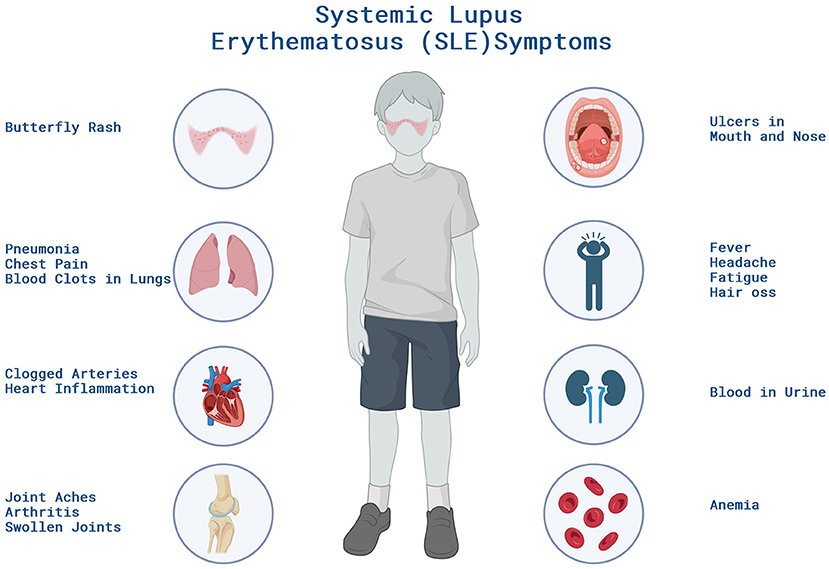
For Patients Living With Systemic Lupus Erythematosus (SLE)
For patients living with systemic lupus erythematosus (SLE), the line between a disease flare and a dangerous infection...