Tensions flared in Philadelphia’s Rittenhouse Square on Sunday as a protest organized to boycott Jewish-owned businesses drew counter-demonstrators, leading to heated verbal confrontations and a heavy police presence.
The protest, coordinated by a group calling itself Philly Bike On Your Left, targeted six local eateries, including Goldie, K’Far Café, and Dizengoff, citing the owners’ support for Israel, according to NBC News.
The demonstration, which took place on the eve of the 88th anniversary of Kristallnacht—the 1938 Nazi-organized pogroms across Germany and Austria—drew immediate condemnation from state and city leadership.
Pennsylvania Governor Josh Shapiro and Philadelphia Mayor Cherelle Parker both issued statements condemning the targeting of businesses based on the faith or perceived political stances of their owners. Attorney General Dave Sunday characterized the timing of the event as “deeply unsettling,” noting the historical weight of the weekend.
The organizers of the “Boycott Ride” describe themselves as an “anti-fascist, anti-Zionist social cycling collective.” In an Instagram post, the group stated they were protesting businesses that have “materially and ideologically support[ed] the ongoing occupation and genocide of Palestinians.” They further claimed that the ride had been “grossly misrepresented” by critics and emphasized that their planning was based on scheduling rather than the date’s historical significance.
My Administration has been in touch with local officials in Philadelphia ahead of the planned protest on Sunday that’s designed to intimidate and drive Jewish businesses out of our communities. Hate and antisemitism have no place in our Commonwealth. And I’m grateful to state…
A City Divided in Rittenhouse Square
By the time the bike ride was scheduled to begin, the atmosphere in Rittenhouse Square had turned tense. Scores of police officers formed lines to separate groups waving Palestinian and Israeli flags.
NBC10 Philadelphia witnessed at least one physical altercation, where officers were forced to intervene and pull one protester away from another. While police confirmed that at least one person was arrested during the event, the specific circumstances surrounding that arrest remained unclear as of Sunday afternoon.
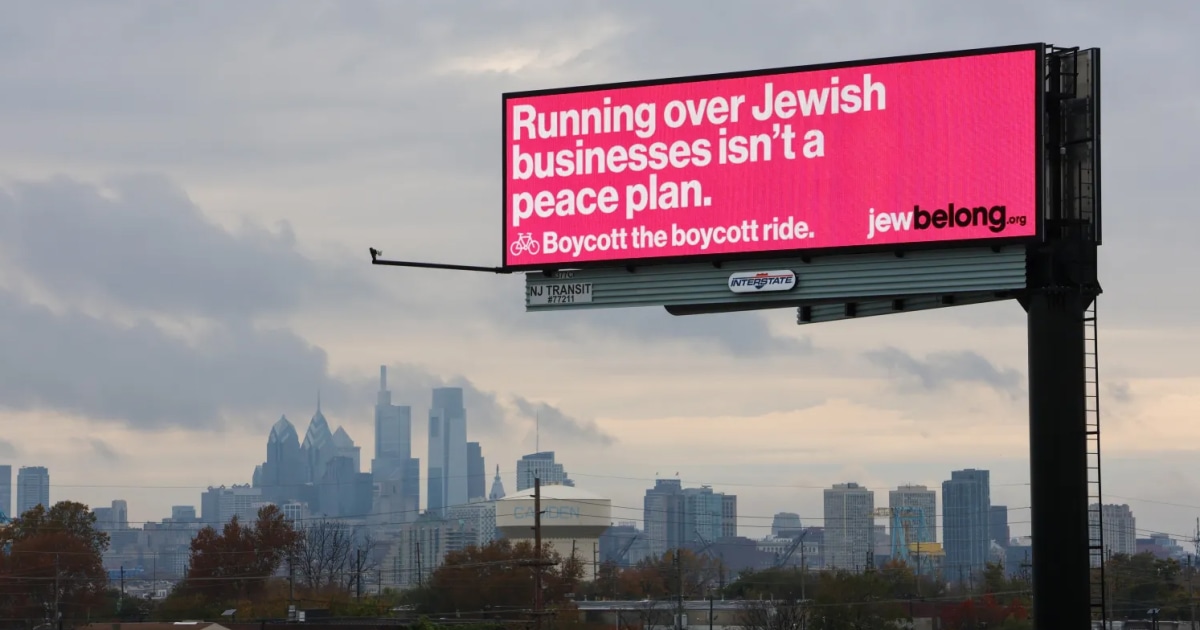
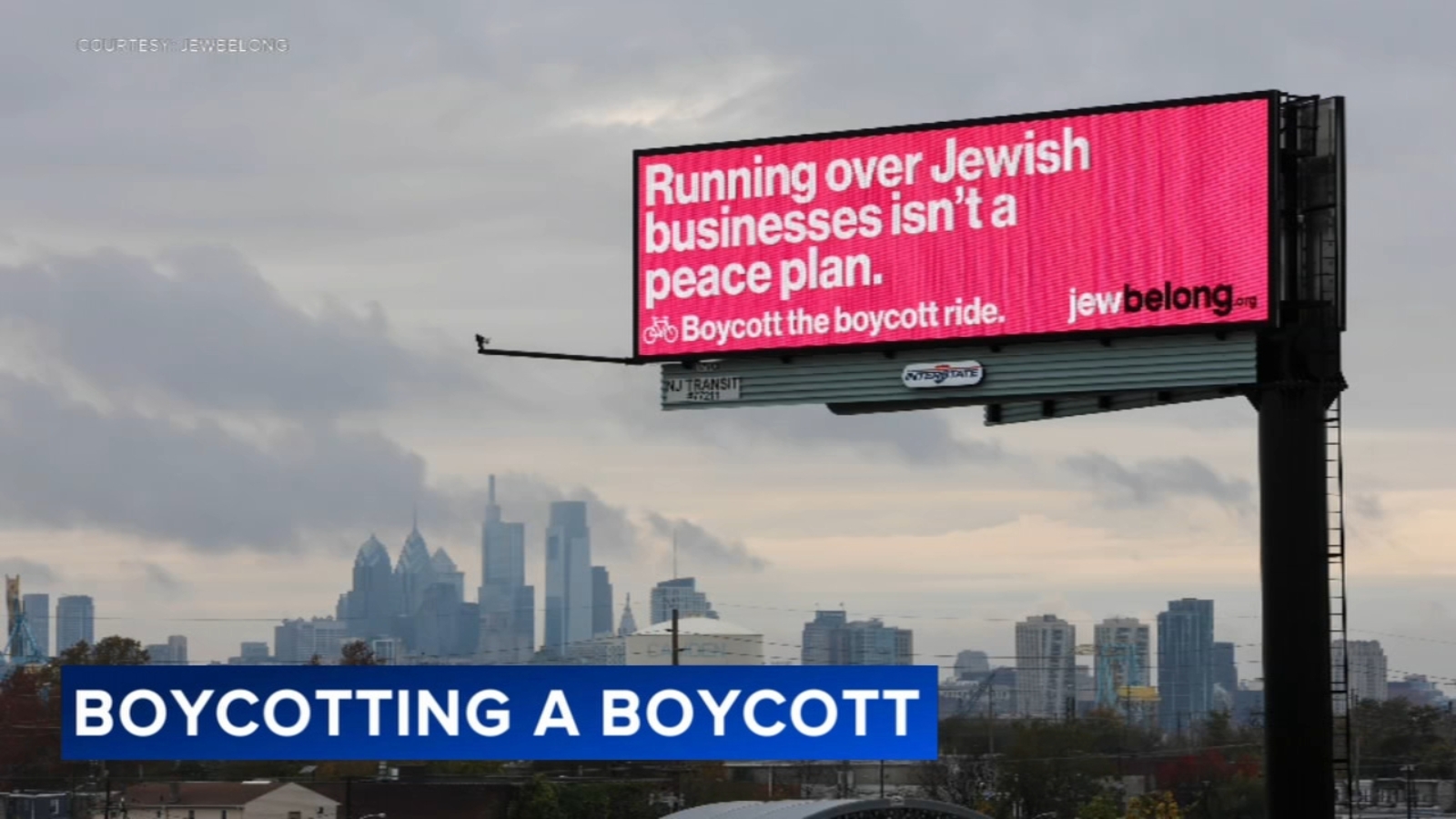
The impact of the protest extended beyond the immediate confrontation. In a show of support for the targeted businesses, many residents formed long lines to dine at the affected restaurants. This pushback was bolstered by the nonprofit organization JewBelong, which installed 14 billboards across Philadelphia featuring the slogan: “Running over Jewish businesses isn’t a peace plan.”
“Israel is thousands of miles away. These people are in Philly with their restaurants. Since when are Jewish restaurant owners responsible for anything that happens anywhere in the world?” said Archie Gottesman, co-founder of JewBelong, in reporting by 6abc Philadelphia.
Echoes of Historical Exclusion
The protest has ignited a broader debate about the boundaries of political speech and the safety of the Jewish community in Pennsylvania. Baseball Hall of Famer Reggie Jackson, a native of Wyncote, Pennsylvania, publicly linked the current climate to his own experiences with segregation in the 1960s.
In a social media post, Jackson noted that he remembered the hatred he faced when being refused service at restaurants and hotels, stating, “We cannot accept it in any form, directed at any people.”
Jackson challenged local leaders to speak more plainly, asking, “Where are the clear statements condemning antisemitism?” He emphasized that when hateful language is excused, it risks making hostility seem acceptable within the community. The Anti-Defamation League (ADL) echoed these concerns, explicitly labeling the boycott an attempt to intimidate the Jewish community. “That’s antisemitic, plain and simple,” the ADL wrote in a statement provided to NBC10 Philadelphia.
The restaurants targeted in the boycott include several establishments owned by the CookNSolo group. The group’s co-owners have previously faced criticism for fundraising for the Friends of United Hatzalah following the October 7, 2023, Hamas attack on Israel.
As the region grapples with the fallout of the protest, the owners of the targeted businesses have largely declined to comment, with one restaurateur telling the Inquirer that they held strong opinions but were not yet ready to share them publicly.
For now, the divide remains sharp. While organizers maintain their right to boycott as an expression of their values, city officials and community groups continue to warn against the normalization of targeting businesses based on the identity of their owners. The incident shows how difficult it is to keep the intense, global politics of the Israel-Hamas war from fracturing local neighborhoods.
This ‘Boycott Ride’ in Philadelphia is the Left’s pro-Hamas, Jew-hating, BDS assholes-on-wheels. Every Democrat of conscience should condemn this sick parade of rank antisemitism. I’m glad to see the steps @PhillyMayor is taking to ensure the safety of the Jewish community. pic.twitter.com/HnaqBzD09T
More on Philadelphia
Send me your thoughts and I will read some @CNN @cnni when I share mine in the 9am ET hour https://t.co/pFaMyW3SCp
Yehuda Sichel's grandfather was just 10 years old in Germany during Kristallnacht. Now, on the eve of its 88th anniversary, his grandson's Philadelphia restaurant is being targeted by a boycott of Jewish and Israeli-owned businesses. In @PhillyInquirer, @ADLPhiladelphia's…
"Marking businesses for removal from Philadelphia is an attempt to intimidate, marginalize and exclude members of the Jewish community from the economic and civic life of our city." – @JFedinPhilly https://t.co/D6fJokhNwt
A Philadelphia boycott bicycle ride is targeting Jewish businesses in the hopes of intimidating them and ultimately expelling them. "Ride around Rittenhouse with us as we show these zio business owners that we see them for the disgusting humans they are." pic.twitter.com/V7sXJqiVFL
Keep reading

MASH Therapies May Address Liver Fibrosis in ALD, Researchers Say
For decades, the standard medical approach to alcohol-associated liver disease (ALD) has been singular and unyielding: stop drinking,...

LACMA Art + Film Gala honors Vija Celmins and Denis Villeneuve
LACMA’s 15th Art + Film Gala Marks a Seasonal Shift in Los Angeles Culture The Los Angeles County...
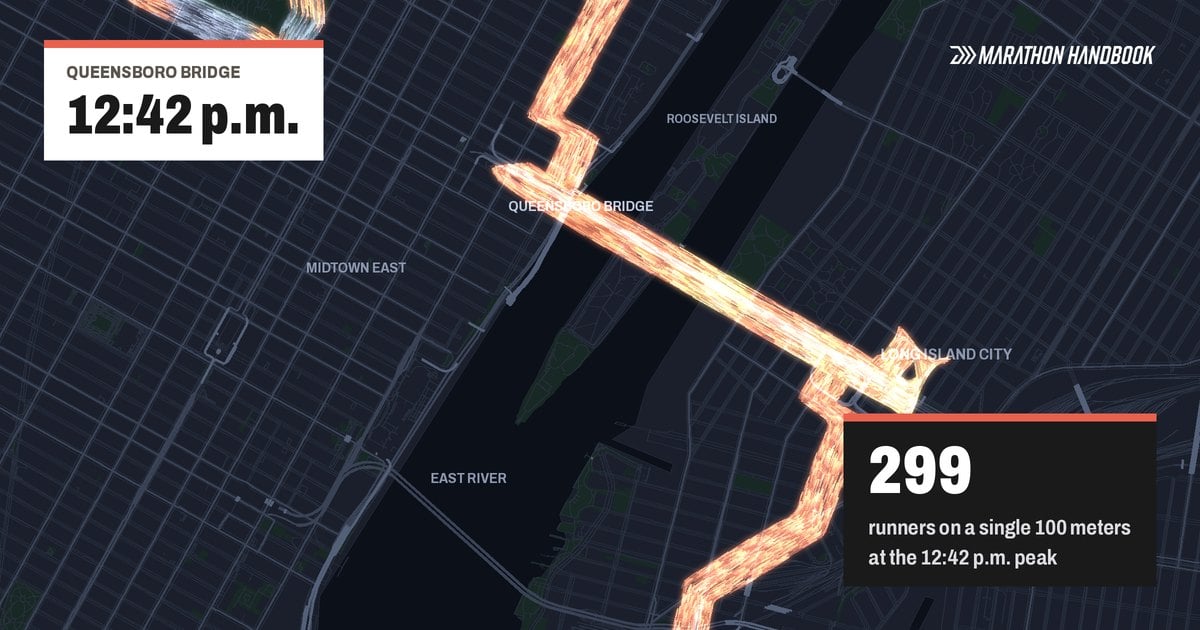
Marathon Handbook: Crowding and Fifth Avenue Incline Affect NYC Marathon
61,018 official finishers ran the 2026 New York City Marathon, facing crowding at specific bottlenecks including the Verrazzano-Narrows...

Abdul El-Sayed: Oxford Scholar and First Muslim US Senator-elect
From Oxford Lacrosse to the US Senate Abdul El-Sayed’s journey to the United States Senate began far from...