
The radical pursuit of zero imports in Bali
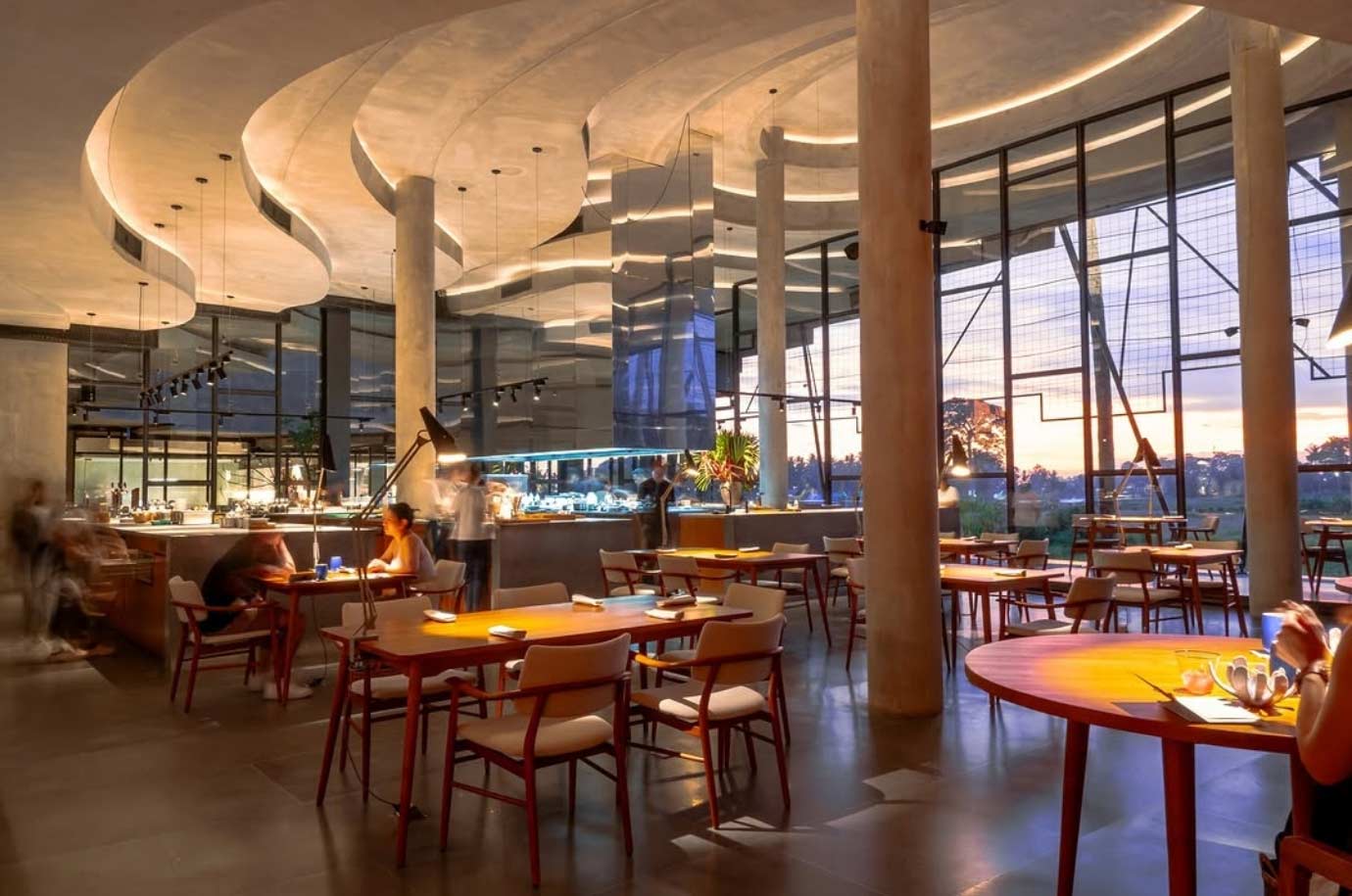
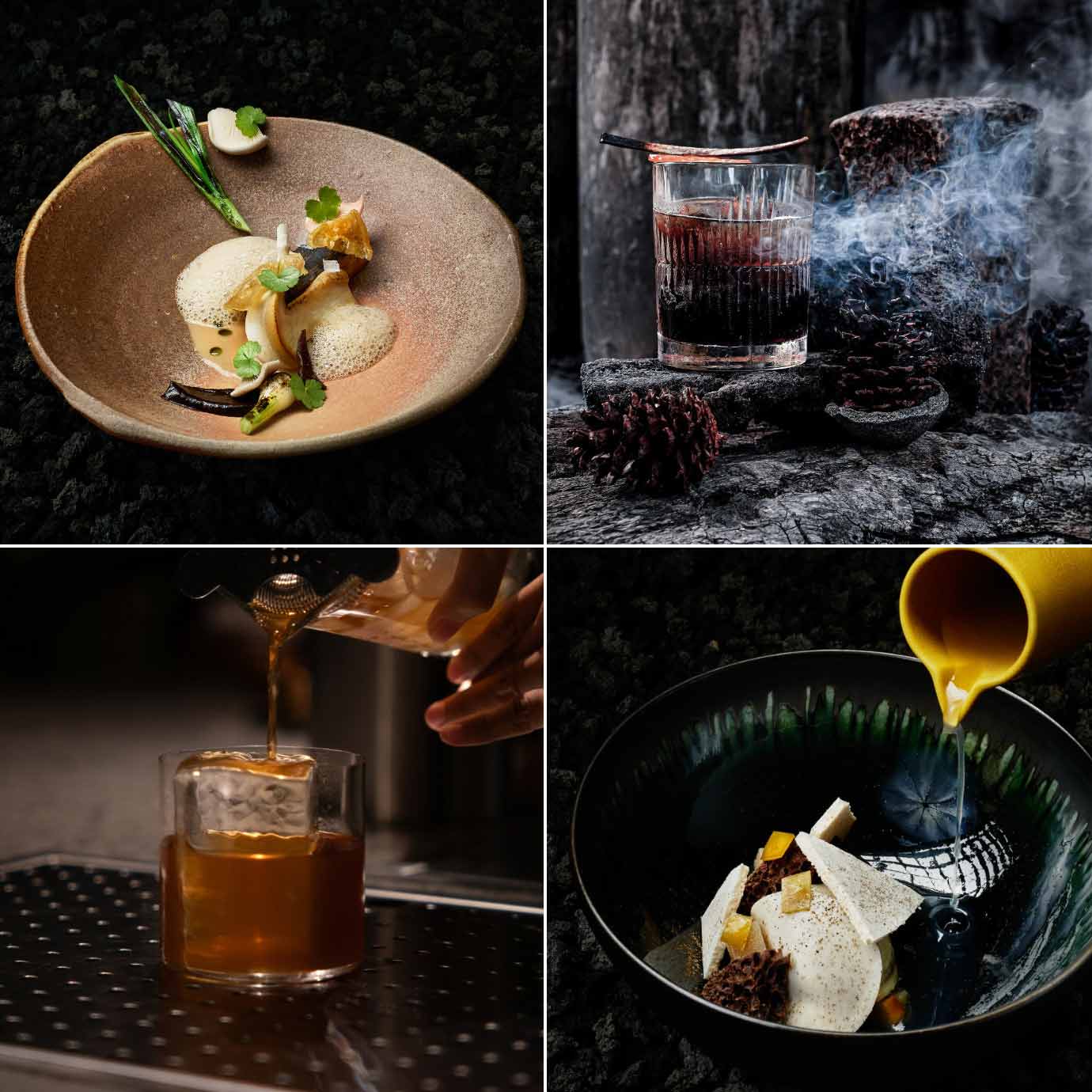
In the heart of Ubud, a culinary experiment is testing whether a world-class dining experience can exist entirely independent of global supply chains. While most fine-dining establishments rely on a steady stream of imported delicacies to maintain their status, Locavore NXT has constructed a philosophy built on what is grown within the immediate vicinity. According to a report from malaysia.news.yahoo.com, the restaurant operates under a strict mandate: no imports, no dairy, and no wheat.
Into the Wild with Locavore NXT: A 3-day deep dive into foraging, sustainability and cooking with local ingredients at one of Indonesia’s most progressive restaurants dlvr.it/TWF8V4
This isn’t merely a trend for the sake of novelty; it is an evolution of a concept that began in Northern California over two decades ago. The term “locavore”—a blend of the Latin locus (place) and vorare (to swallow)—was coined by Jessica Prentice in 2005. What started as a localized challenge has transformed into a global movement, yet for Dutch chef Eelke Plasmeijer and Indonesian chef Ray Adriansyah, the mission has become increasingly granular. They are moving past the era of using imported seeds for local crops like beetroot or fennel, seeking instead a menu that is truly indigenous to the Indonesian archipelago.
The scale of this ambition is reflected in the Locavore NXT campus, which opened in December 2023. Unlike their original 2013 venture, this expanded site functions as a self-sustaining ecosystem, utilizing 172 solar panels, a closed-loop water system, and a roof forest. The environmental stakes are measurable: the facility composts approximately 250 kilograms of organic waste every week, ensuring that 98.13 percent of the property’s waste avoids landfills.
A deep dive into the jungle and the waste cycle
To understand the logistics of such a system, one must look beyond the dining room. The “Into the Wild” initiative, a creative culinary basecamp held for the fourth time this year, invites international chefs to witness the reality of hyper-local sourcing. This involves much more than tasting exotic ingredients; it requires a confrontation with the biological processes that make sustainability possible.
During the symposium, participants were introduced to the circular waste center, where the reality of food waste is managed through biological agents. Rather than the expected scent of decay, the facility maintains a dry, almost toasty aroma. Here, used cooking oil is repurposed into candles, and coffee grounds are transformed into body scrubs. Most strikingly, the restaurant utilizes black soldier fly larvae to consume kitchen scraps, effectively turning food waste into high-quality compost.
The sourcing process extends into the Payangan jungle, where head forager “Boss” Kasida leads expeditions to find ingredients that cannot be cultivated in a traditional garden. These treks yield everything from pungent clove leaves to sago worms—a local delicacy known as butod in parts of Malaysia. For those unaccustomed to the practice, the experience is visceral; the worms are grilled alive, resulting in a texture and flavor described as a burst of hot, sweet liquid reminiscent of mild corn soup.
The tension between sustainability and consumer behavior
While the technical achievements of Locavore NXT are significant, they highlight a growing tension in the global food industry: the gap between environmental awareness and actual consumer habits. During the event, Juliane Caillouette Noble, CEO of the Sustainable Restaurant Association, addressed this disconnect directly.
“People do [care], but ‘caring is something very different to changing your behaviour’.”
Noble noted that while diners may express support for eco-friendly initiatives, the data suggests that sustainability is rarely the primary driver behind a restaurant booking. Instead, guests respond to tangible benefits, such as “simple, non-toxic ingredients” that directly impact their well-being. This creates a complex challenge for progressive restaurants that must balance high-concept ecological goals with the sensory and economic expectations of a luxury clientele.
There is also the matter of how the industry perceives its own success. Malaysian chef Darren Teoh, owner of the two-Michelin-starred Dewakan, spoke to the media about the “unhealthy relationship” between restaurants and the press. He cautioned that the pursuit of recognition can sometimes lead to a cycle where restaurants perform for coverage rather than letting the quality of their work drive the narrative.
This tension was palpable during the “black box challenge,” where twelve chefs from cities like Tokyo, Copenhagen, and Singapore were tasked with creating menus using local ingredients and a single mystery item from their home countries. The chaos of the kitchen—where teams brainstormed how to braise a cow snout (known locally as cingur) or handle acidic Surinam cherries—revealed the intense labor required to make “local” feel luxurious. It remains to be seen if this model of radical localization can scale, or if it will remain a specialized, high-cost sanctuary for the culinary elite.
Related reading

High-Dose Flu Vaccine Linked to Lower Alzheimer’s Risk in Older Adults
High-dose influenza vaccines may reduce Alzheimer's risk by nearly 55% A higher dose of the annual flu shot...

PAGASA: Three Weather Systems to Bring Rains and Cloudy Skies Across PH on Sunday
Three weather systems bring rain and flood risks to the Philippines Residents across much of the Philippines should...

Bepirovirsen Shows Durable Functional Cure Rates in Chronic Hepatitis B Trials
Bepirovirsen maintains functional cure rates through week 96 in hepatitis B trials Patients treated with bepirovirsen for chronic...

Yogi Adityanath demands apology from SP leaders before Akhilesh Yadav visit
Ayodhya is bracing for a significant political and religious intersection on December 12, as Samajwadi Party (SP) chief...