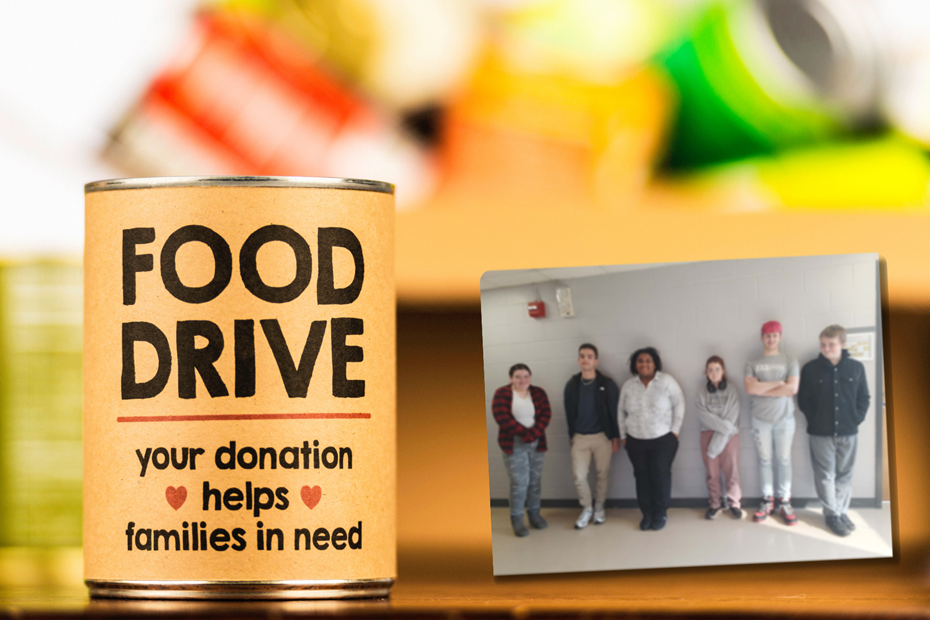
It’s a quiet crisis happening in lecture halls and library carrels, a hunger that doesn’t take a holiday break.
The announcement comes as food insecurity continues to affect many individuals and families, including members of our own university community. The goal is simple: to create a safety net, one can and one box of supplies at a time.
The Human Toll Behind the Numbers
We often talk about food insecurity in abstract terms, but the reality is deeply personal. For a student choosing between buying a textbook and buying groceries, this drive is more than a collection point; it’s a lifeline. The stress of not knowing where your next meal is coming from isn’t just a physical problem; it impacts mental health, academic performance, and the ability to simply show up and learn every day. This isn’t about charity; it’s about community taking care of its own.
Not everyone faces this struggle equally.
A Call for Specific, Practical Donations
While any donation is welcome, the Community Cupboard on the Augusta campus has highlighted a particularly acute need for easy, on-the-go items. These are the things that can be grabbed between classes or late at night, requiring no preparation and providing immediate relief. Think of the student pulling an all-nighter or the parent juggling work and classes—they need something simple and fast.
- Drinks: Juice boxes and shelf-stable, single-serving milk cartons.
- Personal essentials: Feminine hygiene products, toothpaste, soap, shaving supplies, and shampoo. These items are often forgotten but are critical to a person’s dignity and well-being.
Where and When to Help
Getting involved is straightforward. Drop-off locations are spread across the Augusta campus for maximum convenience.

One of the most powerful aspects of this drive is its commitment to not letting any donation go to waste. Any items that the university food pantries cannot accept will be donated to our local food banks. This ensures the effort has a ripple effect, benefiting the wider Augusta community beyond the campus gates. It’s a model of efficiency and shared responsibility.
Students experiencing food insecurity may be able to access meal assistance through this program, which allows them to use their meal plan swipes at designated campus dining locations. It’s a simple way to get a nutritious meal without the stigma or complexity of traditional food pantries.
The existence of both programs highlights a comprehensive approach. The food drive addresses a broad, immediate need, while Swipe Out Hunger provides a targeted, ongoing solution. Together, they create a strong support system that acknowledges the complex and varied nature of food insecurity on a modern university campus.
This effort shows the university's character. It shows a recognition of the challenges its students face and a commitment to building a community where no one has to learn on an empty stomach.
Worth a look

Bank of England Hikes interest rate to 4% after three-year pause
Bank of England Ends Three-Year Pause, Hikes Rate to 4% The Bank of England raised its main interest...

Proposed Nuclear Plant Threatens Northern Cheyenne Water Supply
States Hold the Power to Stop Pipelines. The Question Is: Will They? In southeastern Montana, the Northern Cheyenne...

Dolly Parton’s Imagination Library Celebrates 20 Years of Free Books in West Virginia
Dolly Parton’s Imagination Library Hits 20 Years in West Virginia, Faces New Hurdles For two decades, a program...
Alieta Pela Kinikini born at University of Utah Hospital
A Little Life, a Great Love: Remembering Alieta Pela Kinikini In the quiet halls of Primary Children’s Hospital...