
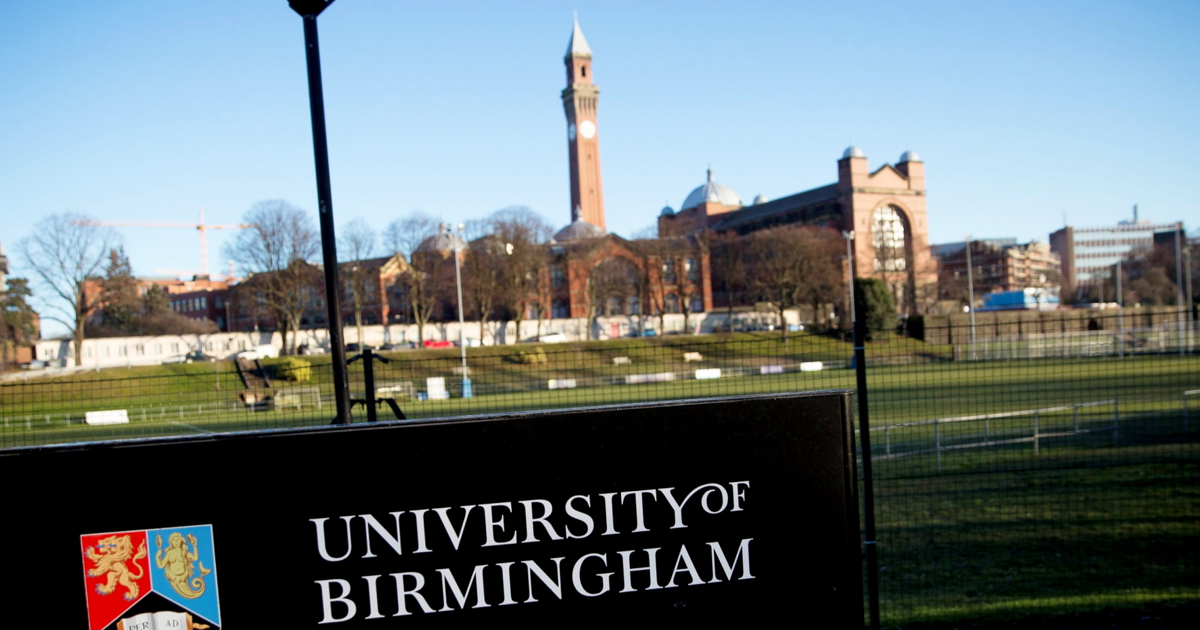
On Tuesday evening, the University of Birmingham hit pause on its plan to relocate the Shakespeare Institute from Stratford-upon-Avon to its Edgbaston campus, bowing to a ferocious backlash from scholars, actors, and alumni worldwide.
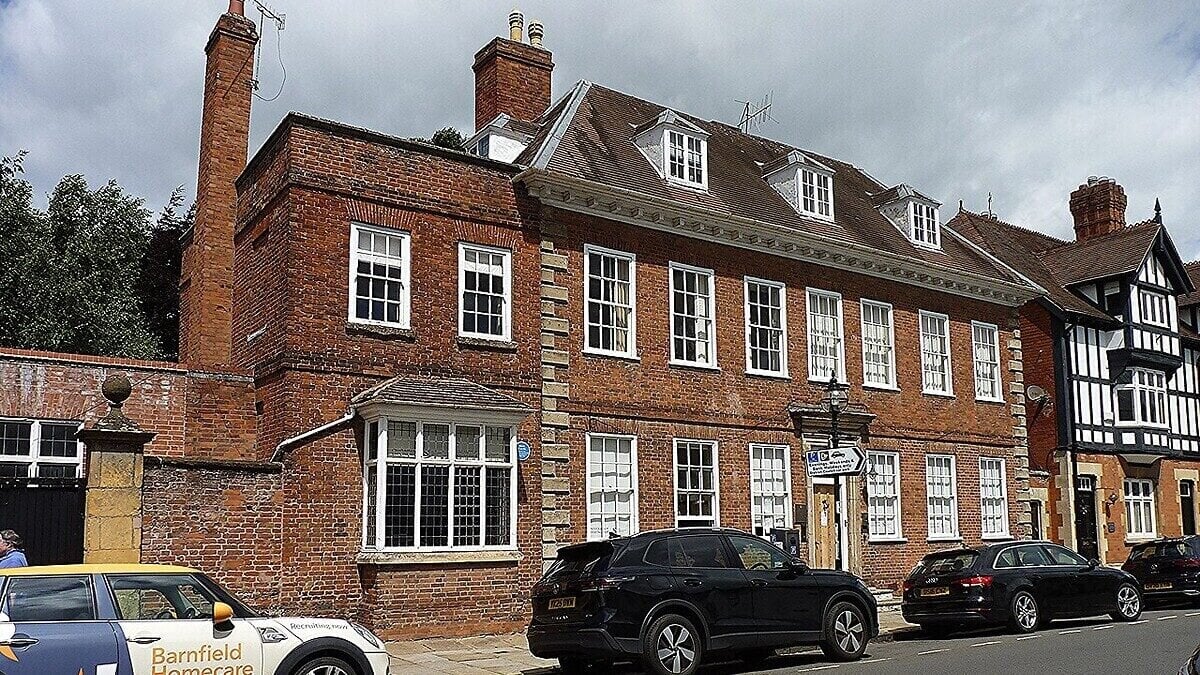
The decision to move the 75-year-old research center — housed in the Grade II*-listed Mason Croft, a building gifted to the university in 1951 specifically for this purpose — had been announced to staff and students just days earlier with a target date of September 2027.
Vice-Chancellor Adam Tickell framed the reversal as a chance to “explore how and whether the institute can have a vibrant and viable future in Stratford-upon-Avon,” though he pointedly said that interest in studying there had “remained very low for several years.”
Professor Michael Dobson, the institute’s director, had told colleagues he would resign rather than oversee the relocation. He described Tuesday’s announcement as “a start,” but said he would have preferred a full reversal rather than a pause. “We were not party to this decision and we were not allowed to inform it,” Dobson told faculty members.
The speed of the revolt caught the administration off guard. A petition launched by actors Samuel West and Dame Janet Suzman gathered 15,000 signatures in 48 hours. West called the university’s statement “a masterpiece of Shakespearean equivocation and mild threat,” arguing the leadership still fails to grasp that “specialised excellence in a unique place needn’t always be a matter of numbers; their bottom line is always the bottom line.”
Critics Call Consolidation Cultural Vandalism
What the university characterizes as a consolidation of humanities resources on a modern campus, critics describe as an act of cultural vandalism. The institute sits opposite the grammar school Shakespeare attended and steps from the Royal Shakespeare Company’s theaters — a proximity Dobson calls the “Mecca of Shakespeare studies.”
“You can go to any university and study Shakespeare but this is the only place you can do so opposite the Grammar School he attended and so close to where he lived and spent his life,” Dobson said. The library holds 60,000 volumes, including 3,000 early printed and rare books, archives, and manuscripts.
Dobson has warned there is “no room in the university library for the 60,000 books and volumes on Shakespeare that we hold here” and raised fears the collection could be destroyed during digitization. University officials insist the collection would be kept at the main campus and nothing would be disposed of.
Financial Pressure and the “Viability” Argument
The pause arrives as universities across the UK wrestle with solvency. The Office for Students warned late last year that 50 institutions risk going bust in the coming years. Tickell acknowledged the “challenges and opportunities,” citing “significant growth for related subjects on our Birmingham campus and the thriving creative industries sector in Birmingham.”
Yet the institute’s defenders argue its value transcends enrollment metrics. Greg Doran, former artistic director of the RSC, called the plan “a catastrophe” and “such an out-of-touch decision” with serious implications for Stratford’s economy. Liberal Democrat MP Manuela Perteghella labeled the proposal “ill-thought” and “shocking,” pledging to raise it in Parliament.
Six Months to Define “Vibrant and Viable”
Tickell has promised six months of consultation with the RSC, the Shakespeare Birthplace Trust, staff, students, and alumni. The institute celebrated its 75th anniversary in July, when Dame Judi Dench expressed hope it would continue “for another 75 years.” Historian David Johnson offered a blunter verdict on the relocation plan: “A plague on your houses.”
The campaign continues to collect signatures.
Disclaimer: The cultural analyses and financial data presented in this article are based on available public records and industry metrics at the time of publication.
Worth a look
UK Authorities Investigate Russell Brand Over Possible Prison Rule Violation Following YouTube Message of Innocence
British authorities are investigating whether Russell Brand violated prison rules by broadcasting a declaration of innocence from behind...

William and Catherine Celebrate Earthshot Prize Winners in Mumbai
Prince William and Catherine, Princess of Wales, celebrated the sixth annual Earthshot Prize winners in Mumbai on Tuesday,...

Jensen Huang Says He Would Return as Nvidia CEO If Board Asks
Nvidia co-founder Jensen Huang said Tuesday he would return as chief executive if the board asks him to....

Alex Gibney’s ‘Musk’ Relies on an Uncanny AI Avatar That Obscures More Than It Reveals
Alex Gibney’s four-hour documentary Musk opens with a simulation, but the most synthetic thing in the film isn’t...