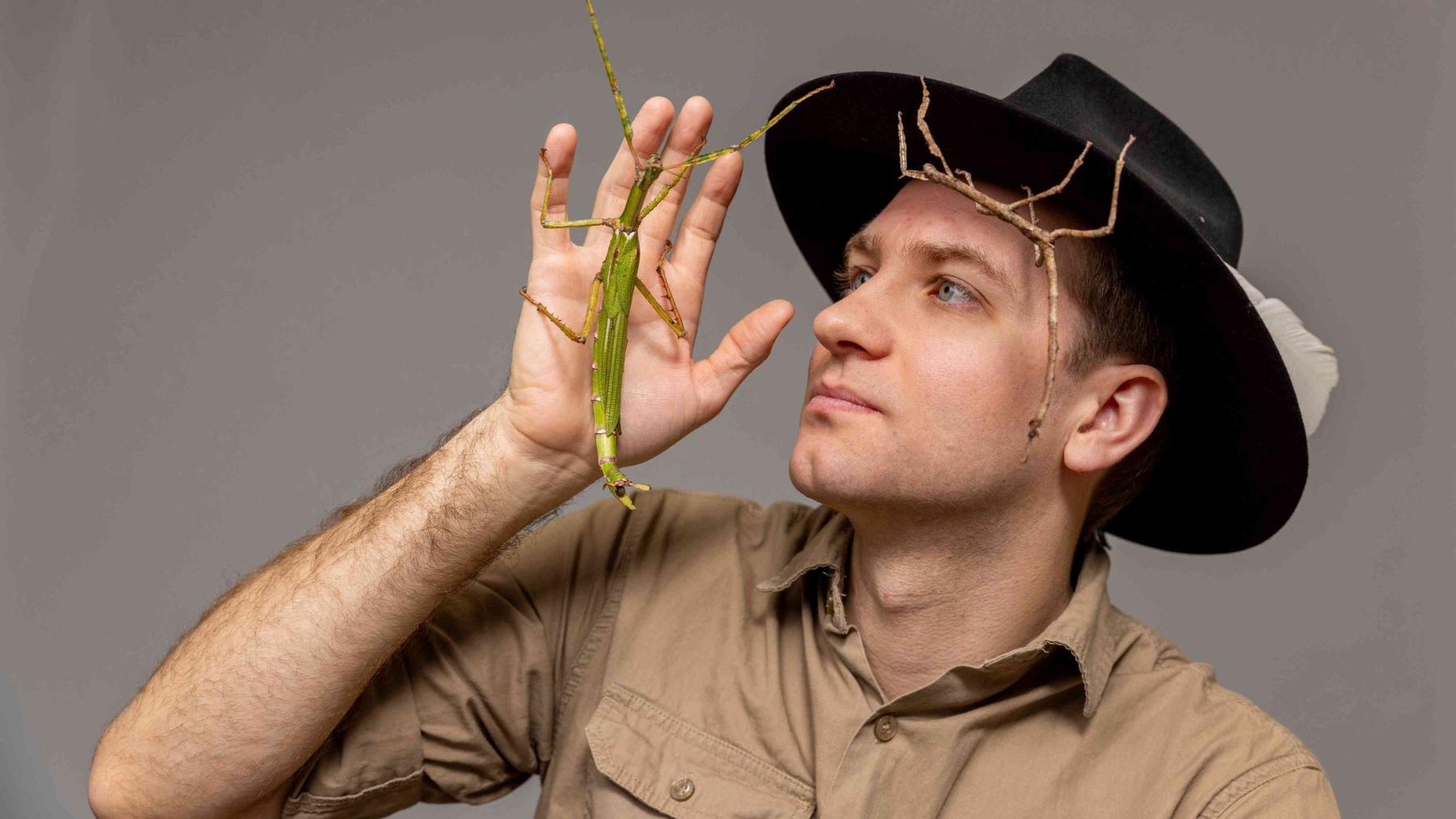
Researchers at the University of Sydney have discovered two new giant stick insect species in Australia and reinstated a third, revealing that insects long classified as two species actually represent five separate lineages. The findings, published in Austral Entomology, correct decades of misidentification and reveal hidden biodiversity in well-studied regions.
What naturalists and researchers previously treated as just two species now stands at five, stretching from northern New South Wales through coastal Queensland and into the tropical north of the continent. Australian scientists have completely revised the taxonomy of the large stick insect genus Anchiale, discovering that familiar populations actually mask a much greater variety of species.
Despite decades of study and thousands of public photographs, the insects managed to escape formal scientific recognition. The research team combined modern DNA sequencing with museum specimens, targeted field surveys, studies of captive populations, and more than 1,000 citizen science observations submitted through platforms like iNaturalist and the Atlas of Living Australia.
“Taxonomy is often a bit like detective work. Even among some of Australia’s most photographed and frequently reported insects, we’re still finding species that have escaped scientific recognition.”
Dr. Braxton Jones, Postdoctoral Research Associate in the Molecular Ecology, Evolution and Phylogenomics Laboratory at the University of Sydney, via ScienceDaily
Researchers Uncover Anchiale robusta After Fifty Years of Mistaken Identity
Records of the insect date back to at least 1976, when its egg case was mistakenly attributed to a related species. One of the most striking discoveries involved a large stick insect that had been familiar to scientists, breeders, and amateur enthusiasts for generations.

Researchers established that this strong insect deserved its own branch on the evolutionary tree, formally describing it as Anchiale robusta. Female specimens measure between 4.8 and 6.4 inches long, making them the largest representatives in the genus, with hindwings that reach further down the abdomen than those of any other Australian sister species.
Young stick insects can regenerate a missing leg during later molts, gradually restoring what was lost if a predator detaches the limb.
Sorting out these species boundaries carries practical applications for forestry and agriculture. One member of the group is notorious for triggering plague-like population outbreaks capable of stripping foliage entirely from trees. Distinguishing between the newly clarified species should help land managers better understand and handle future forestry and agricultural impacts.
Scientists Find Anchiale mabiensis in Queensland Rainforests
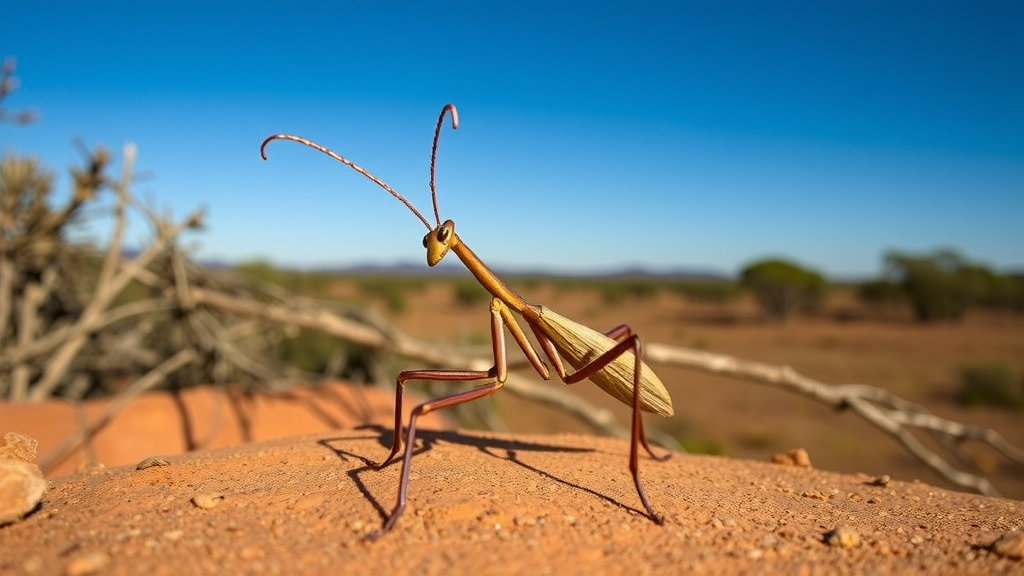
The second newly described species, Anchiale mabiensis, is a smaller, more slender insect found within Queensland’s critically endangered Mabi rainforest on the Atherton Tablelands.
Its coffee-brown eggs feature a structural lid, or operculum, containing inner rings never previously documented in stick insects or their closest relatives. Because stick insect eggs serve as vital diagnostic characters in taxonomy, this anatomical novelty provides a clear way to separate the species.
“These findings demonstrate the importance of protecting threatened ecosystems and documenting Australia’s extraordinary biodiversity before we lose species without us having even discovered them.”
Dr. Braxton Jones, Aola Richards Sydney Insect Hub at the University of Sydney, via SciTechDaily
Keep reading
Bog Grass Moth Discovered for First Time in North Wales Reserve
Conservationists surveying a north Wales nature reserve discovered 19 Bog Grass Moths in a single night of trapping,...

NASA and SpaceX Target Oct. 1 Launch for Crew-13 Mission to the ISS
NASA and SpaceX are targeting an 11:10 a.m. EDT liftoff on Thursday, Oct. 1, for the Crew-13 mission...

EDF Energy Chief Backs Rosebank and Jackdaw North Sea Projects
EDF Energy chief executive Simone Rossi has backed the development of the Rosebank and Jackdaw North Sea fields,...
Brentford Canal Polluted With Dead Animals And Sewage Amid Cleanup Efforts
Dead animals, including a pet cat, have been discovered in stagnant water along a Brentford canal amid growing...