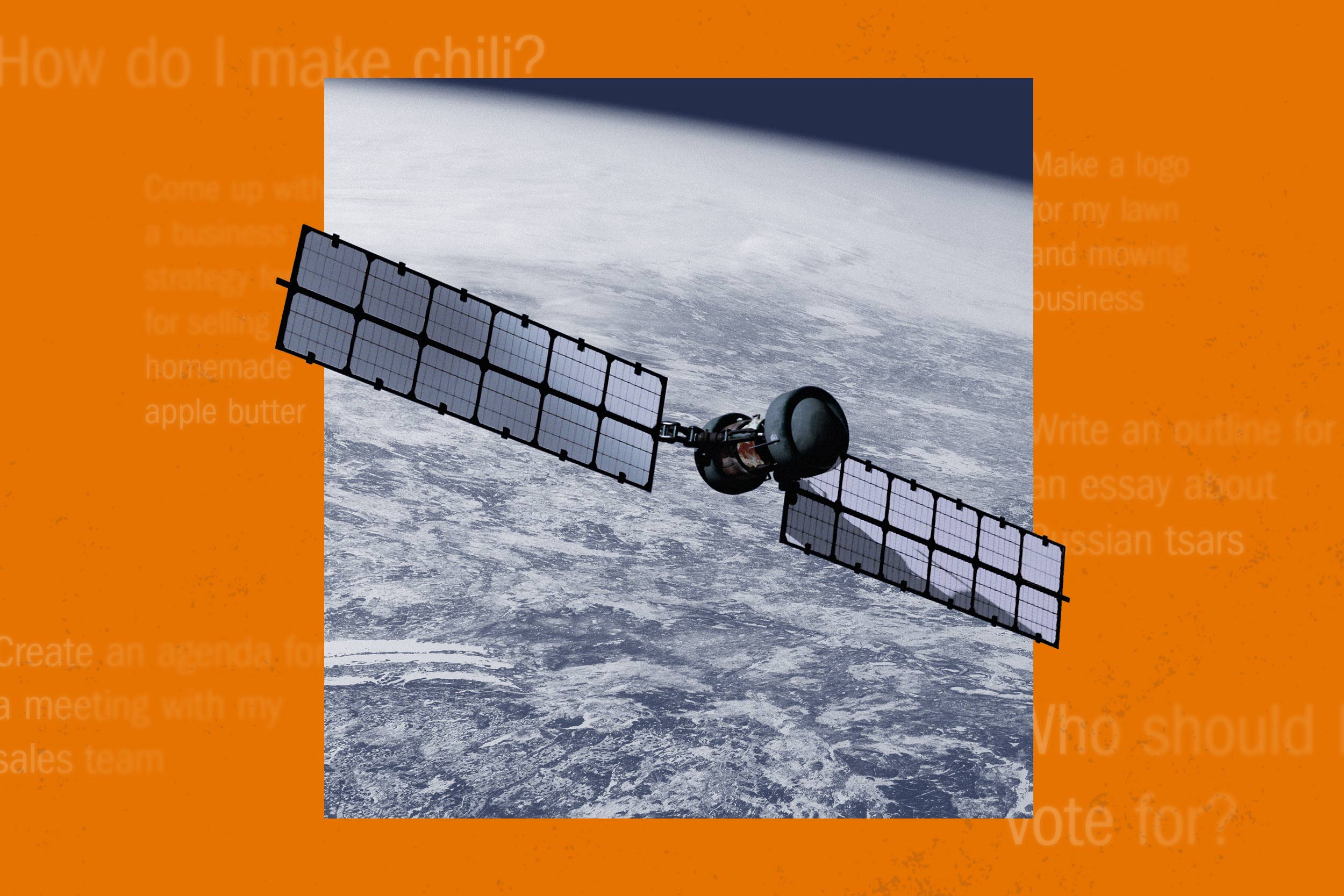
Google is launching a prototype satellite carrying four machine-learning Tensor Processing Units to test the feasibility of orbital AI data centers. The uncrewed test vehicle lifts off Thursday aboard a SpaceX Falcon 9 rocket from Vandenberg Space Force Base, aiming to harness continuous solar power in low Earth orbit.
Google Sends Tensor Processing Units Into Space
Alphabet’s Project Suncatcher initiative is sending its first experimental hardware into space. The Tensor Processing Units are scheduled to launch aboard a SpaceX Falcon 9 rocket during the Transporter-18 rideshare mission from Vandenberg Space Force Base in California.
Google’s parent company, Alphabet Inc., had its CEO Sundar Pichai reveal that Project Suncatcher will execute its inaugural orbital trial as the firm gets ready to assess how well its Tensor Processing Units (TPUs) perform in space. On Thursday, Pichai shared in an X post that these TPUs are set to fly on Space Exploration Technologies Corp.’s upcoming Transporter-18 rideshare mission. The mission, a joint effort with Planet Labs PBC, will carry a prototype satellite for the test. Can our TPUs survive and operate in space? Well, we’re going to find out,
wrote Pichai. Showing his backing for the project, SpaceX CEO Elon Musk replied to Pichai using a pair of rocket emojis. Google is set to launch its first Project Suncatcher hardware, an experimental AI satellite named MVP, on Oct. 1 aboard a SpaceX Falcon 9, months ahead of its previously planned early-2027 timeline.
The test satellite, built alongside Planet Labs, carries computing power roughly equivalent to a single ground-based server equipped with four custom machine-learning chips. The mission moves the long-term research initiative ahead of its previously planned early-2027 timeline. Google executives note that the exercise is designed to gather baseline performance data over a planned one-year operating window.
“This first launch is about seeing what works, identifying points of failure, and applying those findings to future missions.”
Google Engineers Test Hardware Against Radiation and Heat
Operating computer processors in low Earth orbit exposes sensitive hardware to extreme physical forces and radiation.
To prepare, Google engineers tested the hardware on a vibration table and evaluated radiation tolerance at the Crocker Nuclear Laboratory’s proton beam facility at the University of California, Davis. Once aloft, the chips face unbuffered cosmic rays and solar activity that can cause bit flips and cumulative ionizing damage.
Heat management presents an even steeper engineering challenge. Because convection cannot occur in the vacuum of space, the satellite must rely entirely on radiative cooling. A company spokesperson confirmed that the test vehicle will power down every 20 minutes to prevent overheating, operating on just about 1 kilowatt of power during active cycles.

Satellites Access Near-Constant Sunlight
Tech giants are exploring orbital infrastructure as local communities push back against the massive power and water demands of ground-based server facilities. In low Earth orbit, satellites gain access to near-constant sunlight, generating up to eight times more solar power than typical rooftop or ground installations.
Google recently announced a commitment to invest at least €13 billion, approximately $14.8 billion, in Finland over the next two years, alongside a multi-decade power agreement with nuclear operator Fortum. Competitors are pursuing similar large-scale terrestrial options, including OpenAI’s Stargate Norway project in Narvik.
SpaceX Projects Gigawatt Scale Orbital Systems
The launch highlights the complex relationship between Alphabet and SpaceX.
SpaceX leadership has aggressively championed the concept of orbital data processing. Elon Musk asserted on social media that the amount of compute stationed in space will eventually round up to 100% of all compute, while SpaceX executives project deploying massive gigawatt-scale orbital systems by the end of the decade. SpaceX executives project deploying massive gigawatt-scale orbital systems by the end of the decade,
industry observers note.
More on SpaceX Falcon
Worth a look
- Technics Launches EAH-A1000 Headphones With 45-Hour Battery Life
- Samsung Unveils Galaxy Buds On Clip-Style Wireless Earbuds for Open-Type Audio
- Google announces Gemini 4 Argon flagship AI model for complex workflows (newsarchyuk.com)
- Warhammer 40,000 September Update Boosts Space Marine Stats (world-today-news.com)
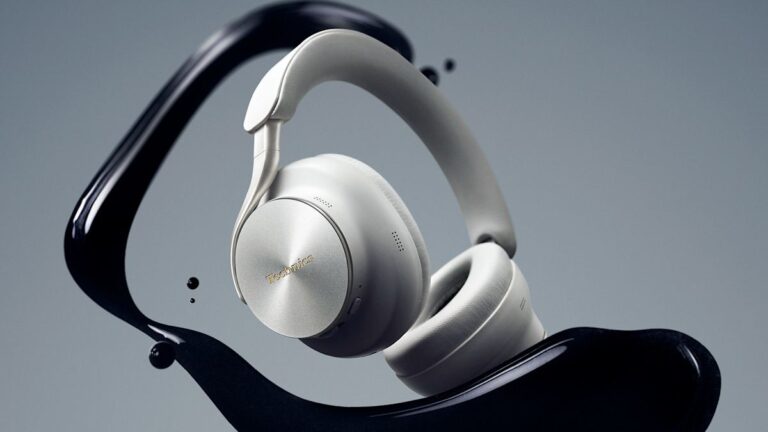
Technics Launches EAH-A1000 Headphones With 45-Hour Battery Life
Priced at £399 in the UK and €449 in Europe, Technics has launched its flagship EAH-A1000 wireless over-ear...
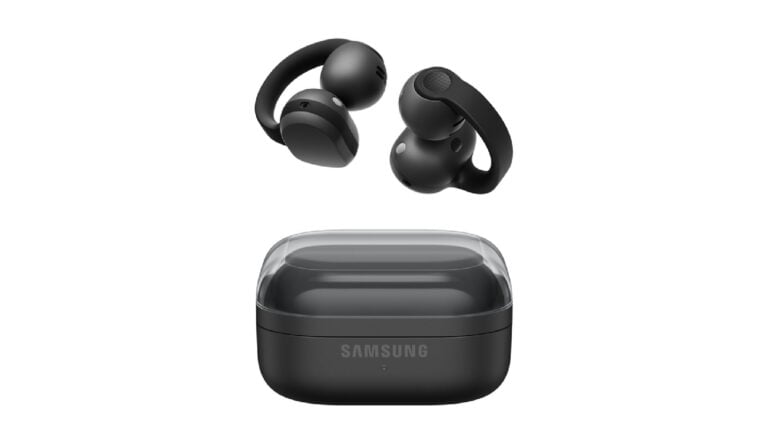
Samsung Unveils Galaxy Buds On Clip-Style Wireless Earbuds for Open-Type Audio
Samsung Electronics has introduced the Galaxy Buds On, marking the company's first entry into the clip-on wireless earbud...
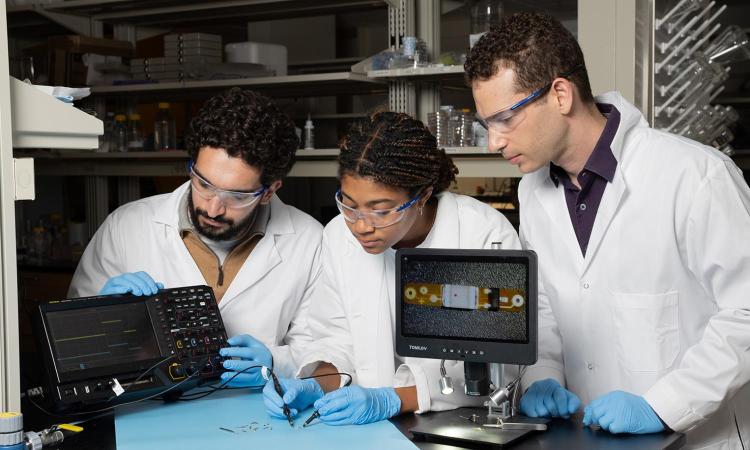
Georgia Tech Researchers Create System Using Body Tissue to Link Implants
Researchers at the Georgia Institute of Technology have unveiled a wireless networking system that uses the human body's...
PM Lawrence Wong Urges Economists to Prioritize Foundational Principles
Prime Minister Lawrence Wong cautioned Singaporean economists against easy policy solutions and uncritical reliance on artificial intelligence during...