University of Utah researchers have identified a previously uncharacterized protein that protects spinal discs from age-related damage, offering a new direction for future back-pain treatments.
The study, published in Aging Cell, marks the first functional characterization of the gene ZNF865 — also known as BLST. Using CRISPR gene editing in human cells and rodent models, the team demonstrated that BLST levels dictate disc health: restoring the protein reversed cellular aging and DNA damage, while suppressing it triggered degeneration and pain behaviors.
“This paper directly shows a novel understanding that DNA damage is a driver of back pain, and that we can regulate BLST therapeutically with CRISPR.”
Robby D. Bowles, associate professor of biomedical engineering at the University of Utah, said.
Back pain ranks as the third leading cause of disability globally, measured by disability-adjusted life years, trailing only cardiac disease and drug-use disorders, Bowles noted. The research positions DNA damage — not just mechanical wear — as a central driver of that burden.
From unknown protein to therapeutic target
BLST is a zinc-finger protein that regulates genes involved in protein processing, cell senescence, and DNA-damage repair. The Utah team found its expression drops in older and damaged human and mouse intervertebral discs.
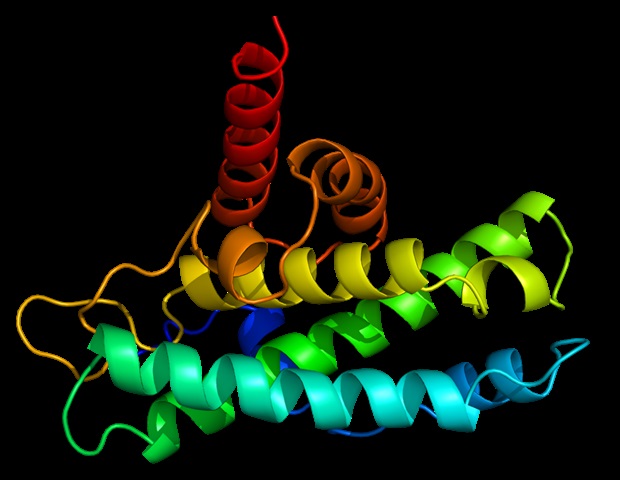
In human nucleus pulposus cells taken from degenerative discs, CRISPR-mediated restoration of BLST reduced senescence markers, inflammatory secretory phenotypes, and DNA damage while boosting extracellular-matrix production and returning chromatin accessibility to a healthy state. In live rodents, CRISPR interference that knocked down BLST caused disc degeneration and measurable pain-related behaviors.
“It has been the highlight of my career to work on a protein that was unknown and be the first to identify its function.”
Bowles said.
Cross-disciplinary engine
The project brought together Bowles’ Pain & Engineered Therapeutics Lab in the John and Marcia Price College of Engineering with orthopedics specialists at the Spencer Fox Eccles School of Medicine and genomics researchers at Huntsman Cancer Institute.
Coauthors include lab members Christian Lewis, Hunter Levis, Jonah Holbrook, and Molly Czachor; Jacob T. Polaski from Huntsman; Josh Mizels and Brandon Lawrence from Orthopaedics; Sarah E. Gullbrand from the University of Pennsylvania; Timothy D. Jacobsen and James C. Iatridis from the Icahn School of Medicine at Mount Sinai; and Brian Diekman from the University of North Carolina at Chapel Hill.
The National Institute of Arthritis and Musculoskeletal and Skin Diseases funded the work.

BLST gene linked to genome stability and cancer research
Because BLST is widely expressed across tissues, its role in genome stability has attracted oncology interest.
The study itself notes that additional preclinical studies and eventual clinical trials are needed to determine whether targeting BLST can be safe and effective in people, and whether the same mechanisms intersect with age-related cancers.
What remains unknown
The paper establishes BLST as a novel regulator of genome stability and a potential therapeutic target for senescence-driven aging diseases.
Worth a look

PM Announces ASEAN, Philippines Trade Deals; Poll Shows Low Canadian Familiarity
Prime Minister Mark Carney announced the conclusion of negotiations for two free trade deals with Southeast Asia on...

Apple Seeds iOS 27.3 Beta 2 Adding Front-Camera Unlock for iPhone Duo
Apple seeded iOS 27.3 developer beta 2 on November 16, adding a front-camera face unlock option for the...

Odisha Evacuates Over 47,000 as Cyclone Akvan Nears Expected Thursday Landfall
Odisha is bracing for its third cyclone in 24 days as Severe Cyclonic Storm Akvan churns toward a...

US Measles Elimination Lost: RFK Jr. Should Be Impeached, Says Guardian Columnist
The United States held measles elimination status for a quarter-century. Then, in the span of a single generation,...