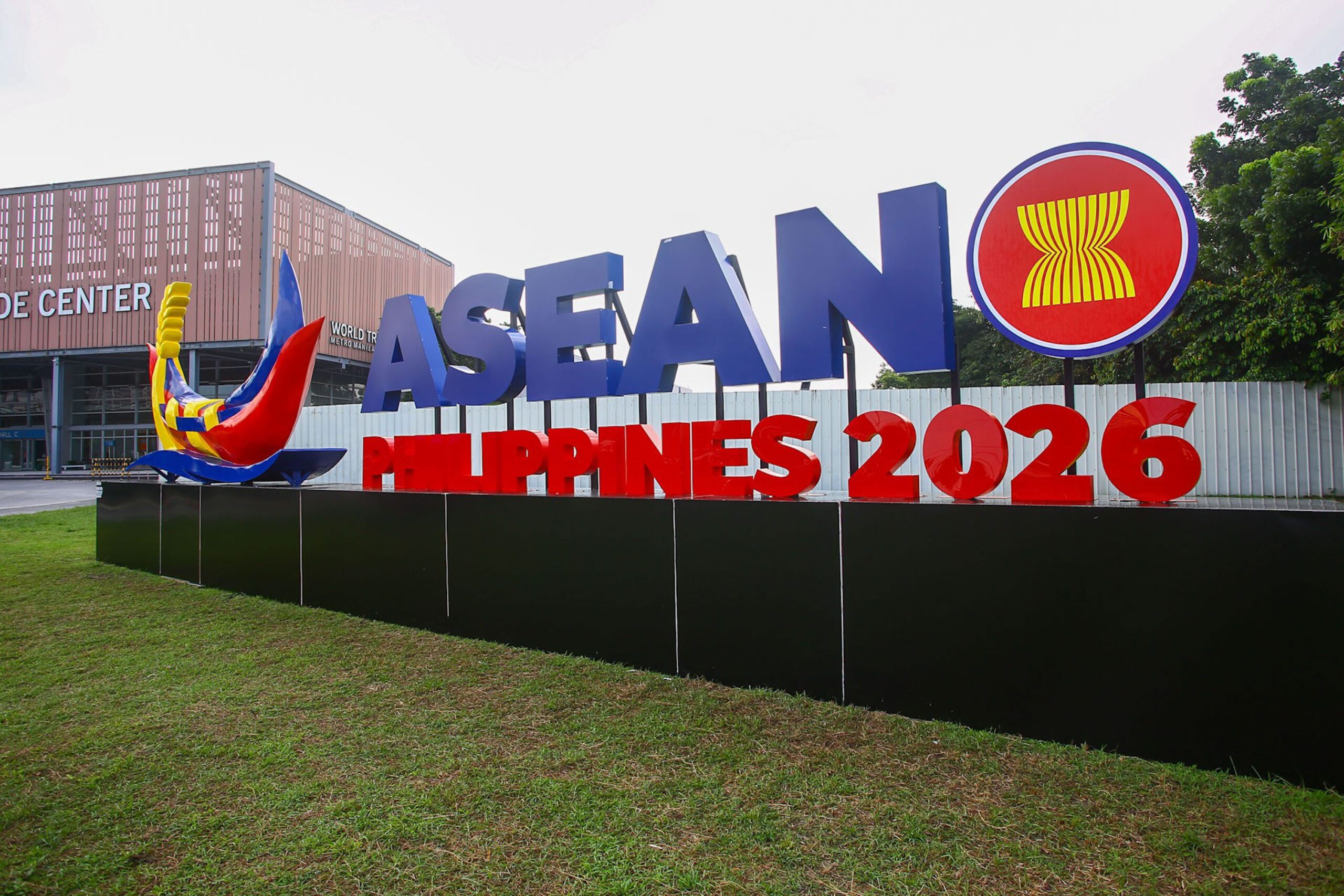
US Envoy Clarifies Status of Pax Silica Ahead of ASEAN Summit
The highly anticipated Pax Silica Economic Security Zone will not be on the agenda when leaders gather in Manila later this month. Despite earlier signals from local agencies that the framework might be finalized in time for the 49th Association of Southeast Asian Nations (ASEAN) Summit, US Ambassador to the Philippines Lee Lipton put that narrative to rest on Saturday, November 7.
US envoy: No announcement on Pax Silica during ASEAN Summit By Joyce Ann Rocamora MANILA – No major announcement on the Pax Silica Economic Security Zone in Luzon is being planned for the upcoming 49th Association of Southeast Asian Nations (ASEAN) Summit which United States… pic.twitter.com/rO3Dl9Gv0o
In a formal statement, Ambassador Lipton clarified that no announcement was ever scheduled for the summit, which runs from November 16 to 18. He emphasized that the development of the industrial hub—an initiative intended to position the Philippines as a powerhouse for artificial intelligence, semiconductors, and advanced manufacturing—requires a more deliberate pace. “Decisions will be made in full consultation with the government of the Philippines at the appropriate time,” Lipton said, adding that the U.S. expects “rigorous discussions on impacts to all stakeholders.”
The Disconnect Over Project Timelines
The clarification comes as a pivot from the messaging previously circulated by the Bases Conversion and Development Authority (BCDA). As recently as early November, the BCDA had suggested that the signing of a framework agreement could be a centerpiece of the summit, where U.S. President Donald Trump is confirmed to attend. The agency, led by President and CEO Joshua M. Bingcang, has been working under guidance from the Office of the President and the Department of Trade and Industry to navigate the complexities of the project.
According to reports from Asia News Network and The Global Filipino Magazine, the Philippine government had been awaiting a response from Washington on the draft agreement. Palace press officer Claire Castro noted earlier this week that while the government was exploring whether the process could be expedited for the summit, the final timeline remained firmly in the hands of the U.S. side. By contrast, the Daily Tribune reported that BCDA head Joshua Bingcang had already expressed that he was no longer involved in setting a signing date, noting that “nothing is finalized” and the decision lay beyond his agency’s direct control.
Stakes and Local Concerns in Tarlac
The proposed Pax Silica hub is an ambitious undertaking, envisioned to cover 1,620 hectares in New Clark City, Capas, Tarlac. The BCDA has touted the potential for up to US$70 billion in investments and the creation of nearly 190,000 direct jobs. Yet, these projections are tempered by long-term realities; as noted by the Asia News Network, BCDA leadership has acknowledged that realizing the full scope of these economic benefits could take as long as 30 years.

The project has faced vocal opposition from civil society groups, environmentalists, and indigenous communities. Critics have raised alarms regarding the potential for environmental degradation, the strain on the Luzon energy and water grids, and the possible displacement of Aeta communities in the Tarlac region. While the national government has promised that any final deal would include safeguards for local interests, the concerns remain significant. As GMA Network reported, the government has attempted to address some of the public backlash by clarifying that the project will not house an AI data center, yet the broader anxiety regarding foreign influence and land rights persists.
A Shift in Diplomatic Pacing
By distancing the Pax Silica framework from the upcoming ASEAN Summit, the U.S. envoy appears to be prioritizing a more measured approach to what is clearly a high-stakes bilateral agreement. The project, which was first joined by the Philippines in April, is a central piece of President Ferdinand R. Marcos Jr.’s economic agenda. However, the move to slow down the process suggests that both Washington and Manila are sensitive to the “rigorous discussions” required to balance massive industrial development with domestic stability.
With the summit just days away, the focus will now shift to other regional priorities as the Pax Silica framework remains a work in progress. For the residents of Capas and the various stakeholders involved, the uncertainty of the timeline continues, leaving the future of the 1,620-hectare site to be determined in the months following the international gathering.
Five LLMs show 89.4% to 91.2% accuracy in pharmacy questions
LLM Accuracy in Infectious Disease Education Large language models—including ChatGPT-4.1, ChatGPT-4o-mini, Claude, Copilot, and Gemini—demonstrated an overall accuracy...

How Caffeinated Coffee and Tea May Lower Dementia Risk and Improve Brain Health
Adults who drink two to three cups of caffeinated coffee daily experience substantially lower rates of dementia and...
Kerala Karunya KR-775 Lottery Result: Check Winning Numbers for ₹1 Crore Prize
Kerala Lottery Results Announced for Karunya KR-775 Draw With ₹1 Crore Top Prize The Kerala State Lottery Department...
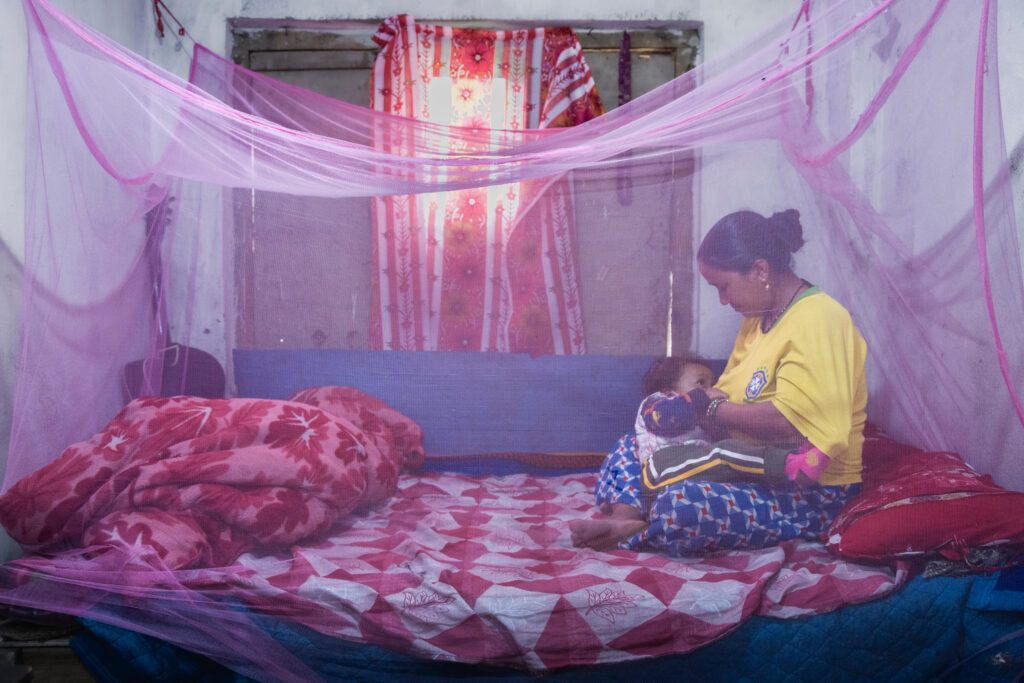
Warming temperatures bring dengue mosquitoes to Nepal’s Himalayas
Climbing to the Roof of the World For generations, the high Himalayas of Nepal stood as a cold,...