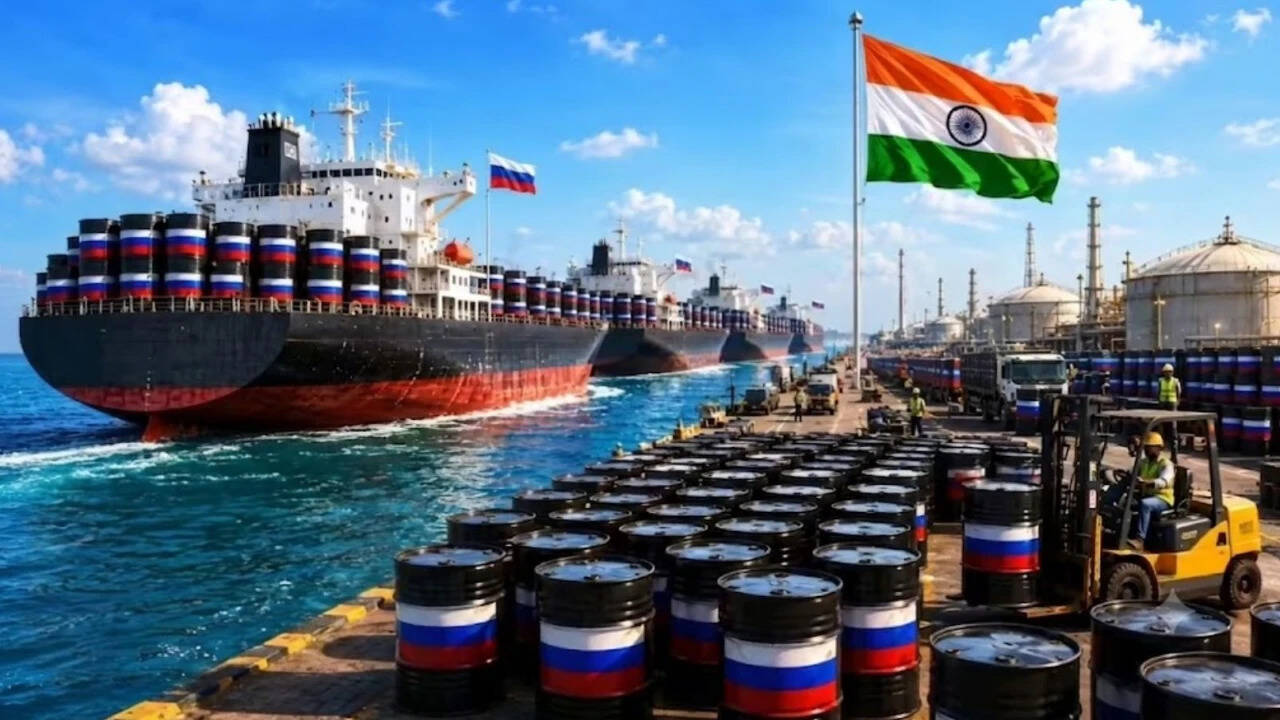
US lawmakers have unveiled a revised bipartisan sanctions bill that grants President Donald Trump the authority to impose tariffs of up to 100% on the world’s top five purchasers of Russian oil and natural gas. The legislation, which replaces an earlier proposal that featured a 500% blanket tariff, is designed to exert economic pressure on Moscow to end its ongoing invasion of Ukraine.
The revised measure is currently moving through the Senate, where it has gained momentum as a legislative tribute to the late Republican Senator Lindsey Graham, who had worked on the bill for more than a year before his death last week.
Targeting Major Energy Buyers
The bill specifically identifies the top five purchasers of Russian crude oil as China, India, Slovakia, Hungary, and Azerbaijan. The leading importers of Russian natural gas are identified as China, France, Japan, Hungary, and Belgium.
According to Senator Richard Blumenthal, a co-author of the bill, the 100% tariff limit is a “narrowly tailored” approach intended to discourage continued reliance on Russian energy. The exact tariff rates within this 100% ceiling would be determined by the United States Trade Representative.
The legislation also includes a waiver provision, allowing President Trump to bypass these sanctions if he determines that doing so is in the U.S. national interest. Additionally, the bill offers an exemption for countries that import less than 15% of their natural gas from Russia, provided they are taking significant steps to reduce those imports. This provision could potentially exclude Japan, France, Hungary, and Belgium from the tariff threat.
Sanctions on Russian Infrastructure and Finance
Beyond energy tariffs, the bill mandates broader sanctions against the Russian state. These include:
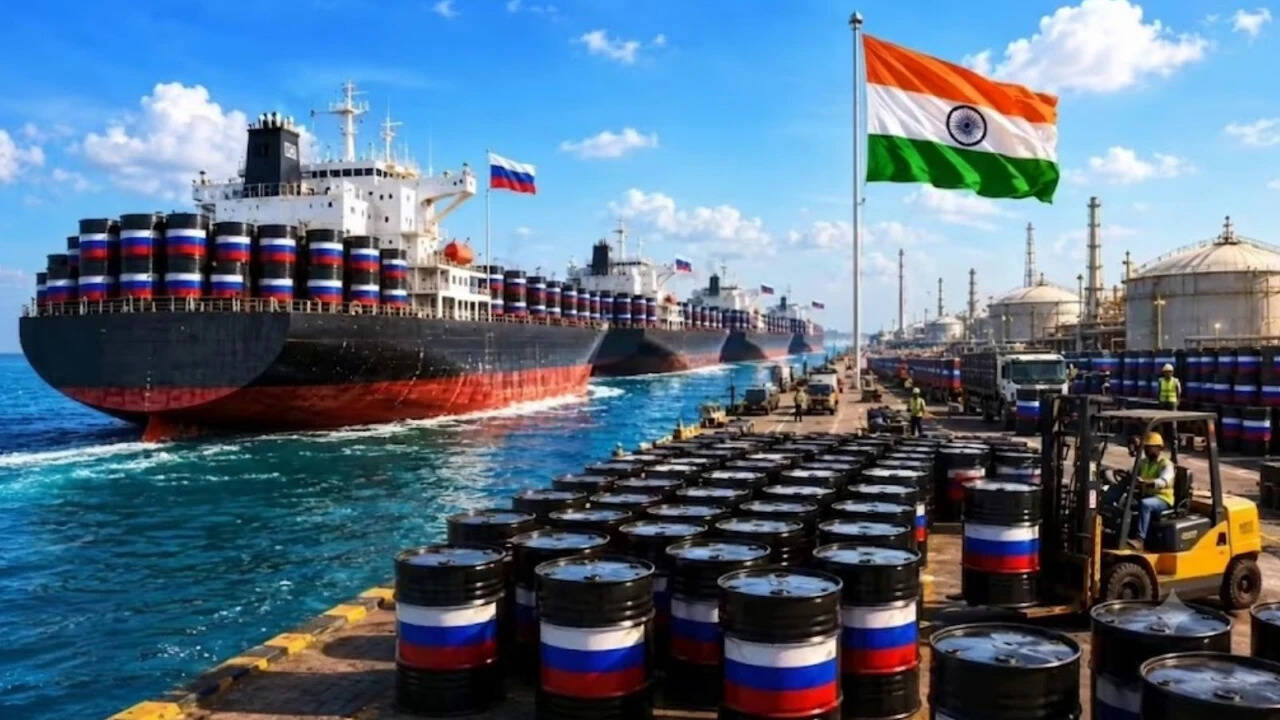
- Sanctions on Russia’s “shadow fleet” of tankers that operate outside of Western maritime and insurance networks.
- Penalties against major Russian financial institutions, including the Central Bank of the Russian Federation.
- Sanctions targeting Russia’s largest state-owned energy projects, specifically Yamal LNG and Arctic LNG 1, 2, and 3.
Lawmakers argue these measures are necessary to stifle the revenue streams funding Russia’s military campaign, which has resulted in an estimated 2 million military casualties and nearly $200 billion in damage to Ukraine.
Legislative Path and Potential Expansion
The bill currently has 26 co-sponsors, and Senate aides have expressed optimism regarding its passage, suggesting it could be voted upon before August. The legislation represents a compromise reached after months of negotiations to secure buy-in from both parties and the White House.
President Trump has signaled his support for the bill, describing it as an effort to honor the legacy of Senator Graham. However, the president has also suggested that the scope of the legislation could be expanded to include sanctions against Iran and Hezbollah.
Senator Blumenthal has expressed caution regarding such additions, arguing that the bill should remain focused on its original objectives to ensure it remains a viable product for passage. “With all due respect to the president, he has approved this bill, and we should move forward with this bill rather than opening it, in my view, to other potential targets,” Blumenthal said.
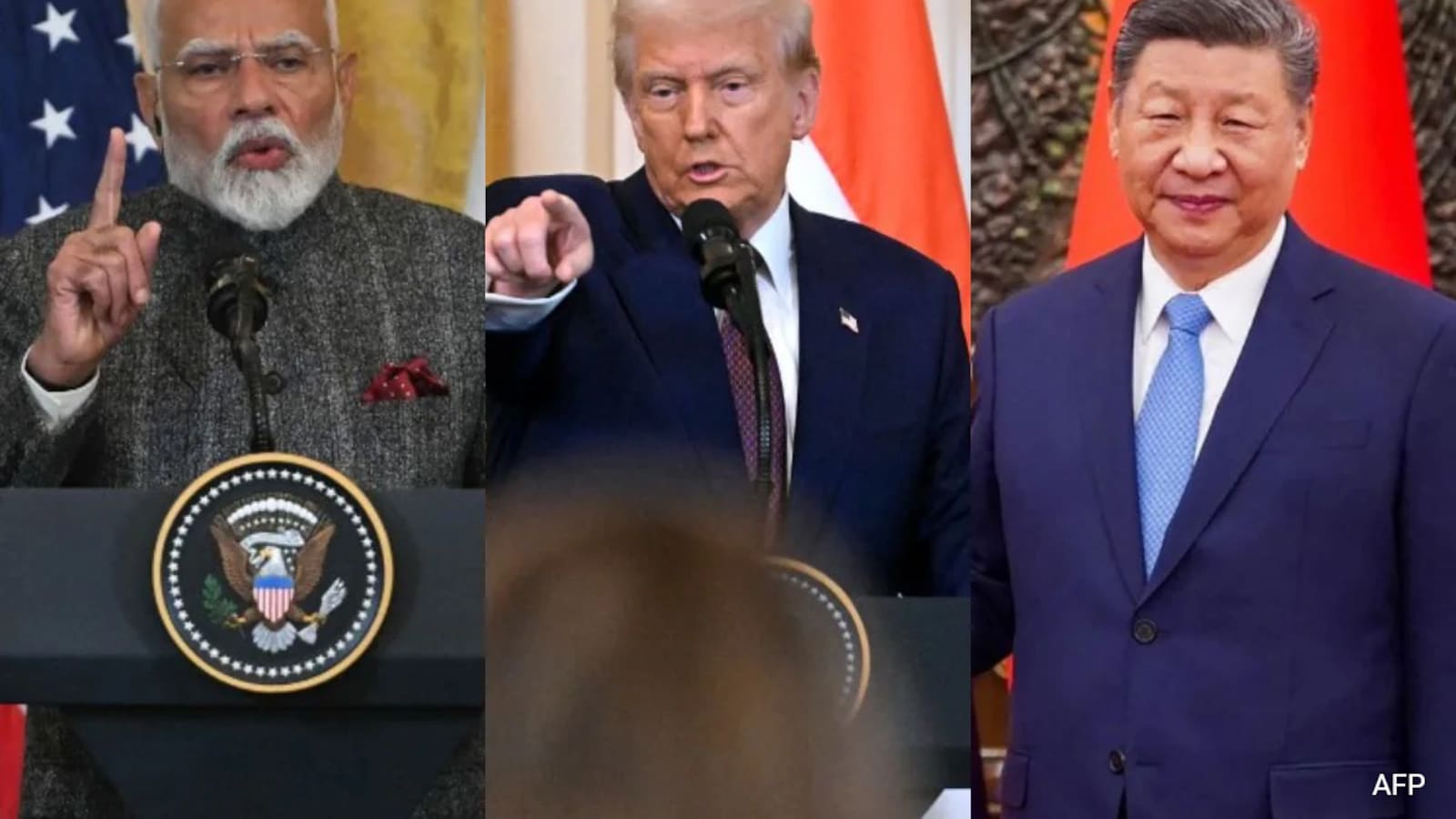
As the bill advances, it remains a point of significant interest for international relations, particularly regarding the U.S. trade relationships with China and India. While the softened 100% cap offers a departure from the more extreme 500% proposal, the potential for new economic pressure remains a central feature of the U.S. strategy to isolate Russia’s energy sector.
Find more reporting in our World section.
Keep reading
Indonesia Deploys Dry Ice to Break Up Southeast Asia’s Thick Haze
Indonesia is dropping 1.5 tons of dry ice over South Sumatra in an experimental effort to break up...

Musk Suggests US Government Behind Ukraine Starlink Speed Limits
Elon Musk suggested the US government may have driven unexpected speed restrictions on SpaceX's Starlink network in Ukraine,...

Canada Cuts Poverty Funds Amid Military Spending Hike
Federal budget cuts to official development assistance have drawn sharp criticism as Canada observes the International Day for...
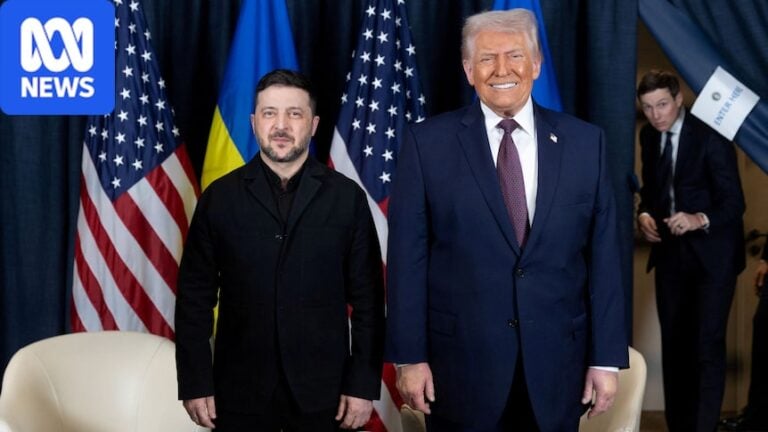
Zelenskyy Criticizes Partners for Lack of Missile Strike Warnings
Five Russian ballistic missiles struck Kyiv without prior intelligence alerts from international partners on Tuesday evening, prompting criticism...