
South Africa maintained its position as Africa’s largest intra-African trader in 2025, accounting for 19.2% of all merchandise traded within the continent. This milestone comes as the broader African market faces a significant annual trade finance gap estimated between $80 billion and $120 billion, a deficit that continues to constrain business expansion, industrialization, and cross-border commerce.
According to Afreximbank’s African Trade Report 2026, total intra-African trade rose by 5.47% year-over-year to $213.8 billion. This growth is attributed to the ongoing implementation of the African Continental Free Trade Area (AfCFTA), improved transport infrastructure, and stronger trade policies. Despite these gains, trade among African nations accounts for only about 15% of the continent’s total trade, positioning it as one of the least integrated trading regions globally.
Top Intra-African Trading Nations
The 2026 report identified the top 10 countries responsible for nearly 60% of intra-African trade. These nations are leading the shift toward regional integration:
| Rank | Country | Share of Intra-African Trade |
| :— | :— | :— |
| 1 | South Africa | 19.20% |
| 2 | Democratic Republic of the Congo | 6.74% |
| 3 | Côte d’Ivoire | 4.83% |
| 4-10 | Egypt, Morocco, Namibia, Nigeria, Uganda, Zambia, Zimbabwe | Remaining share of top 10 |

Financing and Infrastructure Challenges
Afreximbank has identified limited access to finance for small and medium-sized enterprises (SMEs) as a primary hurdle for regional trade. To address this, the lender disbursed $17.5 billion in 2024 and has announced plans to double its financing for intra-African trade to $35 billion in 2026.
Beyond direct funding, the report emphasizes the necessity of robust financial infrastructure. The Pan-African Payment and Settlement System (PAPSS), launched in 2022, is playing an increasingly critical role by reducing transaction costs and decreasing reliance on the U.S. dollar and the euro for cross-border payments. Officials state that these measures are essential to making regional trade faster and more efficient, ultimately fostering economic resilience against global supply chain vulnerabilities.
Geopolitical Tensions and Supply Chain Risks
Global geopolitical tensions and rising protectionism have highlighted the urgency of regional integration. Disruptions in international shipping have forced vessels traveling between Asia and Europe to reroute around the Cape of Good Hope, extending transit times from 14 days to between 21 and 24 days. These delays have increased freight costs and underscored Africa’s historic dependence on external supply chains.
Regional bodies, including the Intergovernmental Authority on Development (IGAD), are focusing on modern transport corridors, energy interconnections, and digital infrastructure to mitigate these risks. As Africa marked Africa Integration Day on July 7, 2026, the focus remained on the theme “Connecting People, Connecting Markets,” emphasizing that regional integration acts as a pathway to resilience in an era of economic volatility and climate shocks.
Institutional Support for Integration
The effort to realize a single African market is supported by several international partnerships. The European Union, through its “Team Europe” initiative, has committed EUR 1.2 billion to support African economic integration. This partnership, which includes over 80 specific actions, works alongside the AfCFTA Secretariat and the African Union to empower SMEs, harmonize policies, and expand digital trade tools.
While these initiatives aim to bolster regional growth, individual nations face varying structural constraints. For instance, countries like Uganda are working to balance robust economic growth with the challenges of rapid population expansion and high rates of informal employment. According to the World Bank, sustained growth is necessary for nations to improve income per capita and meet ambitious long-term development targets, such as those outlined in Agenda 2063. By strengthening regional value chains and removing barriers to the movement of goods and services, proponents believe Africa can unlock its immense economic potential and transition toward a more self-reliant future.
Find more reporting in our World section.
Worth a look

Musk Suggests US Government Behind Ukraine Starlink Speed Limits
Elon Musk suggested the US government may have driven unexpected speed restrictions on SpaceX's Starlink network in Ukraine,...

Canada Cuts Poverty Funds Amid Military Spending Hike
Federal budget cuts to official development assistance have drawn sharp criticism as Canada observes the International Day for...

Zelenskyy Criticizes Partners for Lack of Missile Strike Warnings
Five Russian ballistic missiles struck Kyiv without prior intelligence alerts from international partners on Tuesday evening, prompting criticism...
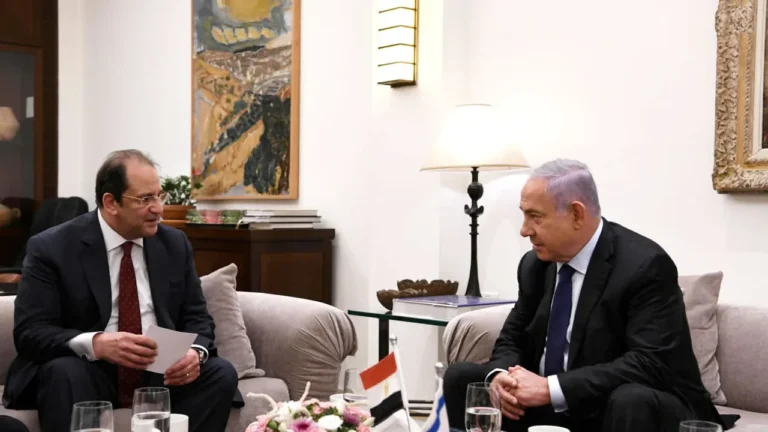
Benjamin Netanyahu Denies Meeting Egyptian Intelligence Chief Despite Records
Israeli Prime Minister Benjamin Netanyahu denied meeting with former Egyptian intelligence chief Abbas Kamel during an interview on...