<>
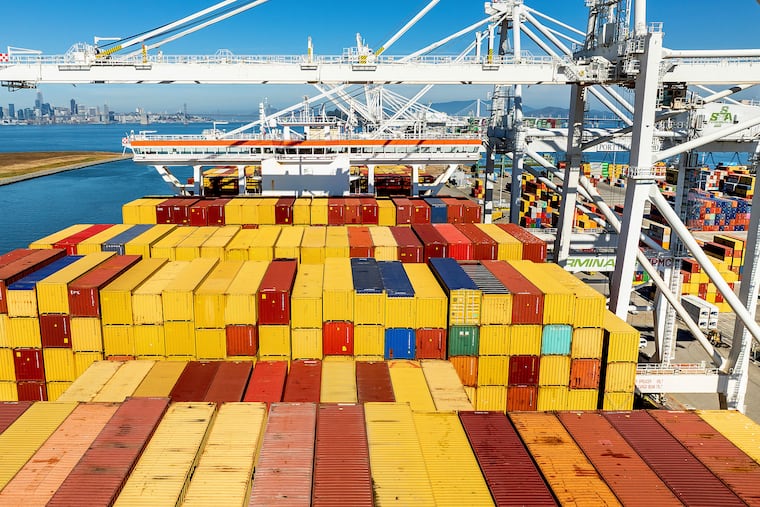
The United States imposed sweeping Section 301 tariffs of 10 percent and 12.5 percent on goods from 60 trading partners, covering nearly all U.S. imports. Trade Representative Jamieson Greer, the duties use a forced-labor justification to replace expiring temporary trade measures.
Section 301 Tariffs Replace Expiring Global Duties
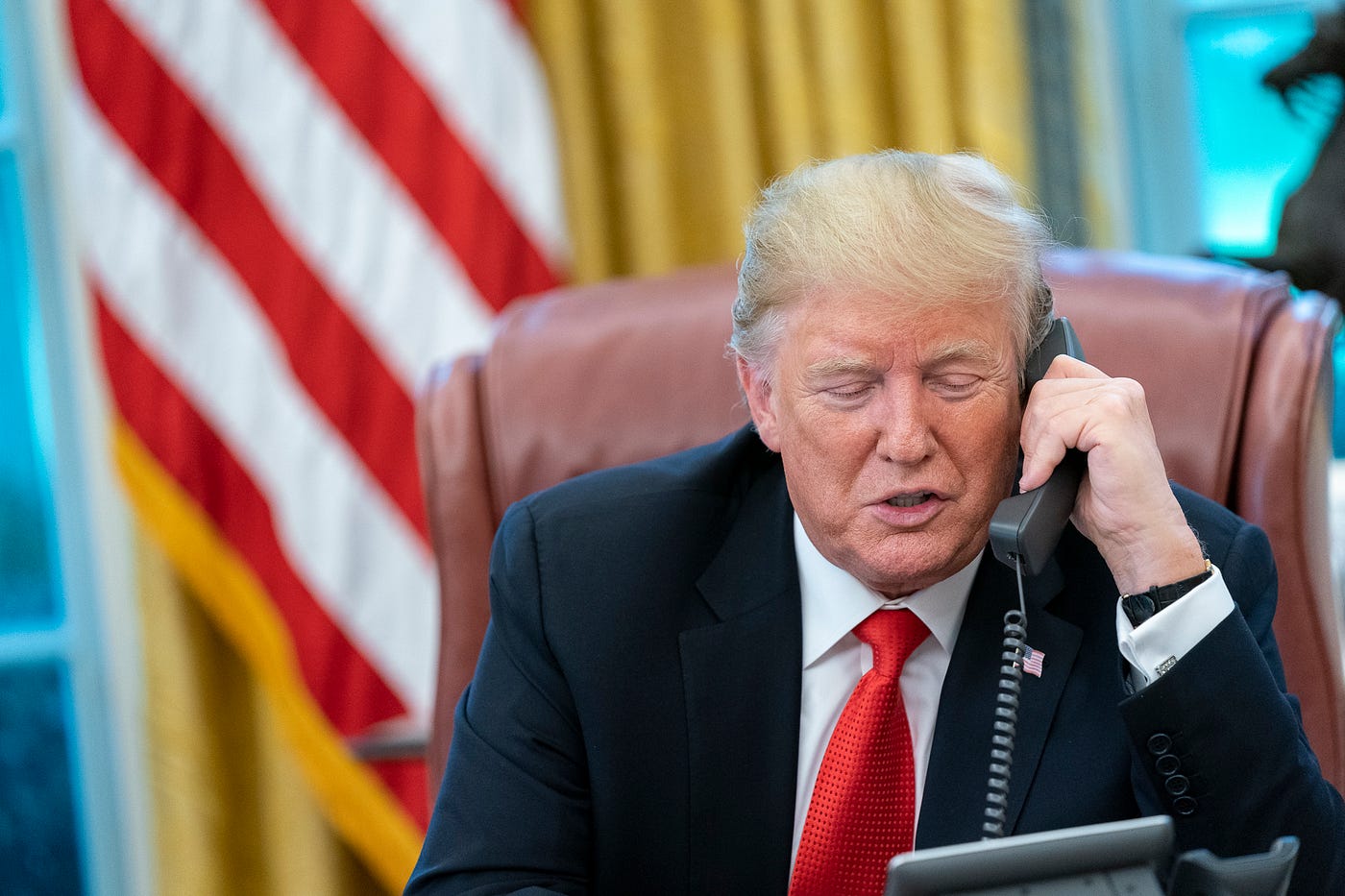
The Trump administration enacted the new duties under Section 301 of the Trade Act of 1974, a provision allowing the president to levy import taxes and sanctions against countries engaging in unreasonable or discriminatory trade practices. The rollout arrived immediately after a temporary 10 percent worldwide tariff expired at 12:01 a.m. EDT on Friday, following a 150-day window.
Supreme Court struck down broader emergency tariffs in February. By shifting to Section 301, the administration secures a more permanent tariff structure without returning to Congress. That’s what all of this is about.
The president doesn’t want to knock on the front door of Congress, so he’s trying every side door and every unlatched window to get in.
The Forced-Labor Justification and Country Rates
U.S. officials justified the broad duties by accusing trading partners of failing to prevent goods produced with forced labor from entering supply chains. The policy covers approximately 99 percent of U.S. imports, dividing nations into tiers based on their enforcement records. Economies with existing bans or formal plans to ban forced-labor imports face a 10 percent duty, while others are assigned a 12.5 percent rate. Exemptions were carved out for oil, gas, fertilizer, and specific food items.
“The United States has had a forced labor import ban for nearly a century, and rigorously enforces it. It’s well past time for our trading partners to do the same.”
Jamieson Greer, U.S. Trade Representative
Global Pushback and Legal Scrutiny
Trading partners across the globe swiftly challenged the administration’s rationale, calling the findings arbitrary and unjustified.
Trade experts also questioned the empirical backing of the investigation. Scott Lincicome, vice president for general economics and trade policy at the Cato Institute, noted that evaluating whether nations possess legal bans is straightforward, but determining their enforcement efficacy is far more difficult. There’s not a lot of hard evidence there,
Lincicome said, adding that it is pretty laughable on its face to think that a country like the ones in Europe or in Norway or Switzerland aren’t doing enough to police forced labor.
Domestic Industry Reactions and Costs
Within the United States, the duties drew mixed reactions from domestic manufacturers and lawmakers.
Financial analysts project that U.S. importers will bear the initial burden at the border, passing expenses onto consumers. Domestic metal producers like Cleveland-Cliffs and Nucor emerged as clear market winners alongside insulated U.S. brands, while import-reliant automakers and consumer electronics firms face rising cost pressures.
What to Watch as the Next Investigations Loom
Legal analysts suggest these Section 301 tariffs offer stronger durability than previous measures, though challengers may argue that blanketing 60 countries simultaneously stretches a statute designed for targeted trade disputes.
Xi Jinping Arrives in Washington for Historic State Visit with Trump
The visit marks Xi's first trip to the United States in over a decade amid an expiring bilateral...
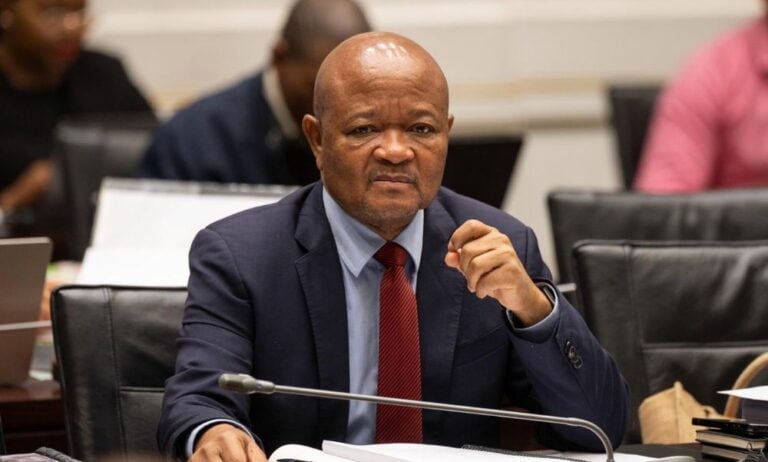
Police Seize Phones of Senzo Mchunu in Fraud and Defeating Justice Probe
Police seized cellphones from suspended Police Minister Senzo Mchunu after executing a Johannesburg High Court search and seizure...

UN Says US Boat Strikes May Be Crimes Against Humanity
A United Nations human rights expert concluded that United States military attacks on suspected drug boats in the...
Ghana Shifts to Enforcement of Gender Equity and Disability Inclusion
Ghana has officially transitioned from advocacy to enforcement regarding gender equity and disability inclusion, anchoring social protection as...