
Researchers analysing sleep data from 10,000 adults in the US National Institutes of Health’s All of Us programme found that night-to-night variations in sleep time over six months were associated with a 20 to 23 percent higher risk of serious cardiovascular events.
The study, which used activity-tracking devices rather than self-reported logs, also linked a greater number of complete sleep cycles each night to a 28 percent lower risk of atrial arrhythmia. Unusually long sleep cycles, however, carried a 55 percent higher risk of heart attack or stroke.
“We all have an internal body clock, called a circadian rhythm, and if you’re getting up at a regular time each day, that will train your internal body clock,” said Adele Crow, an occupational therapist. “When we have that regular sleep pattern, our body knows and will help us to wake up naturally at that time.”
Crow recommends waking at the same time every day and starting a sleep diary to identify the optimal schedule. “Keeping a sleep diary might help you figure out what the best wake-up time is for you and how much sleep your body needs,” she said. “It can also help map your mood and concentration, and how many times you’re waking up during the night.”
For those struggling to rise, she suggests a sunrise alarm clock. “A sunrise alarm clock gradually lights up the room when it’s darker in the autumn and winter and can help you gradually wake up,” Crow said.
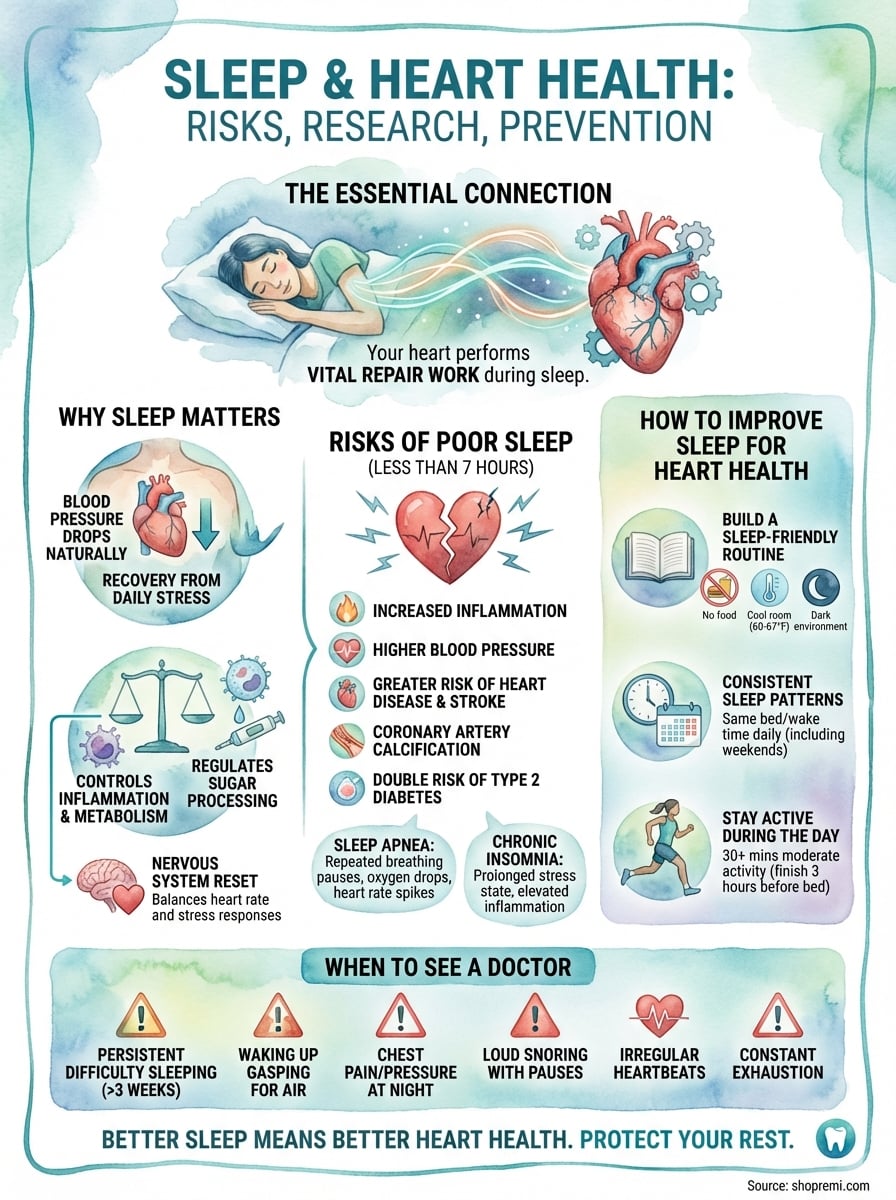
Daytime naps erode the homeostatic sleep pressure that drives nighttime sleep. “During the day, we build up what’s called sleep pressure, also known as tiredness,” Crow explained.
“Therefore, if we nap during the day, we reduce that sleep pressure, which then makes it harder for us to fall asleep, or means we are more likely to wake up during the night because we’ve not got that sleep pressure.” If a nap is unavoidable, she advises keeping it under 30 minutes to avoid entering deep sleep.
Morning light exposure is critical. “Going outside and getting some light in the morning initially suppresses melatonin (our body’s sleep hormone) production, but then also helps give us a boost of melatonin in the evening, which is when we need it,” Crow said. She also recommends morning aerobic exercise to raise body temperature and release alertness-promoting chemicals, while cautioning against vigorous activity close to bedtime.
Environmental cues matter, too. “Don’t spend too much time in your bedroom outside of the times that you’re sleeping,” Crow said. “You want your brain to associate the room with sleep, rather than a room in which you do other things.” She advises reducing clutter, using blackout blinds, and adjusting bedding for comfort.
These findings build upon the extensive work of the National Institutes of Health. Established in 1887, its origins trace back to a laboratory for the study of bacteria within the Marine Hospital Service. The NIH has been instrumental in major scientific accomplishments, including the discovery of fluoride to prevent tooth decay and the creation of vaccines against human papillomavirus (HPV).
The organization grew significantly, comprising 27 separate institutes and centers as of 2012. Furthermore, its extramural arm provided 28% of biomedical research funding spent annually in the U.S. as of 2003.
Finally, a wind-down routine signals the brain that sleep is approaching. “Think about what you’re doing in those 30 minutes before bed to wind down,” Crow said.
“You could dim the lighting in your room, switch off any screens, and do some calming activities, such as reading a book, listening to music, or some journalling, or whatever else that you need to do to tell your brain that you’re ready for bed.”

Eight Minors Booked for Assaulting Young Couple in Mumbai Park
A disturbing viral video has brought a public park in Mumbai’s Kurla West into the national spotlight, showing...

Indonesian Fires Economic Toll Could Exceed $30 Billion, Cambodianess Reports
Indonesia's 2026 fire season has scorched 2.88 million hectares — an area 18 times the size of London...

Robredo Casts Vote as Naga Seeks HUC Status on Nov 21
Naga City voters head to the polls Saturday to decide whether their city cuts its final administrative ties...
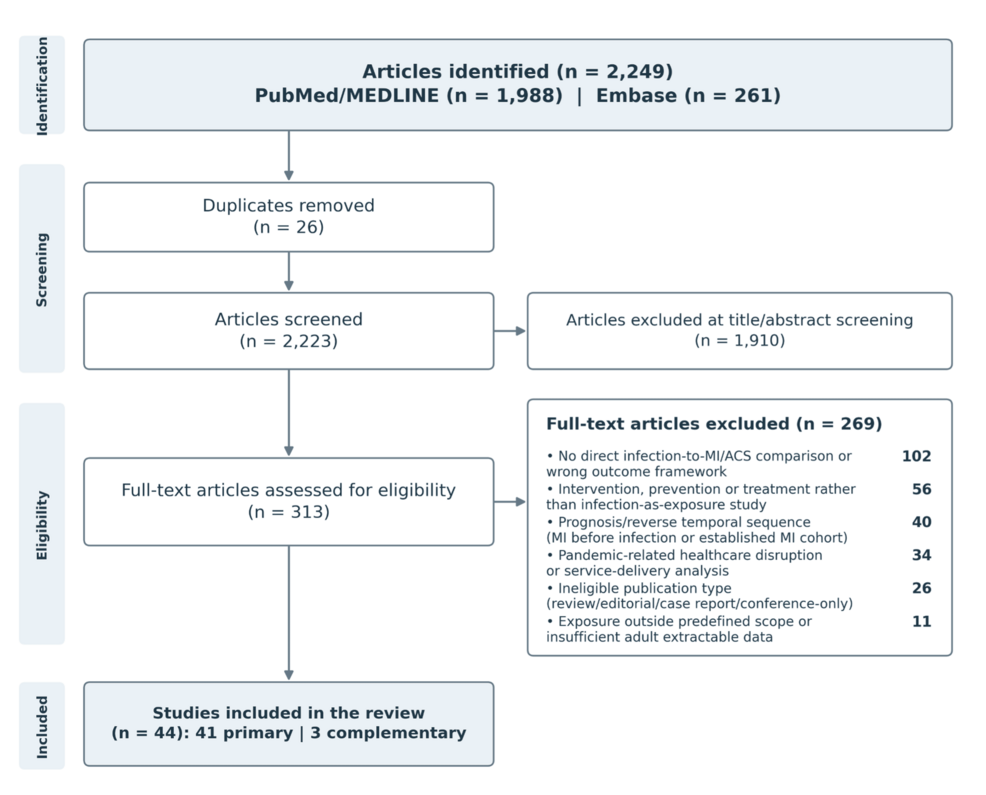
Infection Triggers Acute Myocardial Infarction A Narrative Review
When you come down with a severe infection, your primary concern is usually managing the fever or the...