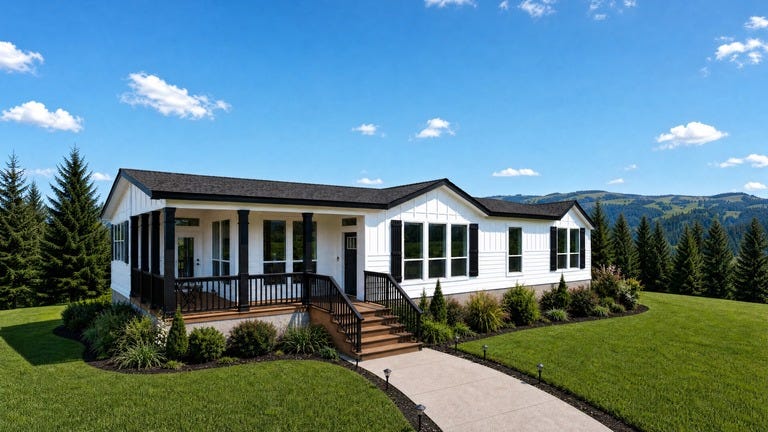
Every single one of those affordable factory-built homes in Vermont sits on a steel frame, even after it’s never going to move again. It’s a state law. A manufactured home is defined as a house “built on a permanent chassis.” But the federal government just changed the rules in July, and now that $5,000 to $10,000 extra cost is baked into every new home sold in Vermont.
For a Vermont buyer, that price difference is about the size of a down payment. The median manufactured home with land sold for $166,000 here last year, according to the Vermont Housing Finance Agency. A 5% down payment on that home is about $8,300. The state needs 24,000 to 36,000 more homes over five years, and factory-built homes are already the most affordable option, costing about half as much per square foot as a traditional build. So why are we still paying for a chassis we don’t need?
The Federal Shift That Ignited a State Race
This story begins with a quiet but seismic shift in Washington. In July, Congress dropped the long-standing chassis requirement as part of the 21st Century ROAD to Housing Act. The law changed to allow builders to ship a house on a frame, set it on a foundation, and take the frame back to use again. One of the country’s largest manufacturers, Cavco, has already shown off its first home built that way.
The change is a big deal for what these homes can look like and where they can go. Without the frame, a manufactured home can sit lower to the ground, blend in with the houses next door, and even go up two stories. They can be built as duplexes or buildings with up to four homes, meaning more density on the same plot of land. This opens up new possibilities for housing Vermonters, especially in areas where traditional site-built construction is out of reach.
The problem is, Vermont’s laws are stuck in the old way. The state’s definition of a manufactured home, the laws governing their sale, and the rules lenders follow all still mandate that permanent chassis. To get these newer, more flexible homes, Vermont has to change its own laws by July 11, 2027. And lawmakers usually adjourn in May, which means the decision has to be made in the upcoming legislative session that starts in January.
Dropping the Frame Requirement Cuts Home Prices
Let’s talk about the money. The Niskanen Center estimates that dropping the frame requirement could take $5,000 to $10,000 off the price of a new manufactured home. That’s a significant chunk of change, representing roughly 7% to 9% of the price of an average single-wide, according to The Pew Charitable Trusts.
Of course, builders say the savings won’t all reach the buyer directly. A home without a frame takes more wood, and more of them will need a crane to set instead of being rolled into place. Cavco’s chief executive, in a conversation with investors, framed the bigger change not just in price, but in design potential.
The median price for a typical Vermont home is $379,000. For many families, the manufactured home market is the only path to homeownership.
A Legislative Path Forward, With Little Opposition
Lawmakers took a first step this spring. Act 155, signed on June 17, opened more neighborhoods to manufactured homes and officially retired the term “mobile home” from the state’s books. When the House housing committee took testimony on it back in January, Pew’s Rachel Siegel told members that every manufactured home still had to sit on a frame. She flagged two-story designs as one exciting possibility that would open up if that requirement ever went away.

The federal change came just 24 days after Act 155 was signed. It was a window of opportunity that many in the housing community were watching for. As of October 1, only six states had acted to align with the new federal law, according to Pew’s findings. Vermont isn’t behind yet, but the clock is definitely ticking.
What’s interesting here is the lack of organized opposition. Compass Vermont found no group on record opposing the change, either in Vermont or nationally. Vermont has to systematically update several laws—the one that defines manufactured homes, the one covering their sale, and the lender regulations—to ensure they treat homes with and without a frame equally.
The change is about what the next buyer can choose. It’s about opening the door to a more diverse and attainable housing market.
The state also has to tell federal housing officials that its laws treat these homes the same way, covering everything from financing and insurance to titling and taxes. It’s a bureaucratic dance, but an important one to ensure these new homes can be sold and financed without issue.

Legislators Will Decide the Housing Law Fix
The decision rests with the Vermont Legislature. The committees that handled this year’s housing law—the House General and Housing Committee, and the Senate Economic Development, Housing and General Affairs Committee—will likely be central to the conversation. Their membership for 2027 is set in January.
If you want to weigh in on the fix, you have a direct line to the people who will decide this. You can find your legislators by town on the Legislature’s website. During the session, which starts in January, you can leave a message at the State House by calling (802) 828-2228. You can also reach the governor’s office at (802) 828-3333 or by writing online.
This is a story about more than just a piece of steel. It’s about a chance to make the dream of homeownership a little more accessible for thousands of Vermonters. It’s about adapting to new federal realities to unlock local solutions for a very local problem: a severe housing shortage.
The next dated event on the calendar is the start of the legislative session in January. That’s when the real work of changing the law will begin. And by July 11, 2027, Vermont will have to show the federal government it has caught up to the future of housing.
Keep reading

Experience Wealth opens in Wausau to serve Central Wisconsin
Steven Schreiner opened Experience Wealth in Wausau this April, targeting the wealth transfer and retirement planning needs of...

Car Crashes Into Rustic Spoon Patio Pinning Woman Under Tire
A woman was pinned under a car tire after a vehicle crashed through the patio of the Rustic...
Judge Blocks DOJ From Pressuring Washington to Set Aside Ballots
Federal Judge Halts Trump DOJ's Attempt to Withhold Washington Ballots Two days after Election Day, a federal judge...

Support Charleston Stage Resident Actors Through the Creativity Fund
Charleston Stage Launches 2026 Creativity Fund to Bolster Resident Actors For 25 years, the Resident Actor Program has...