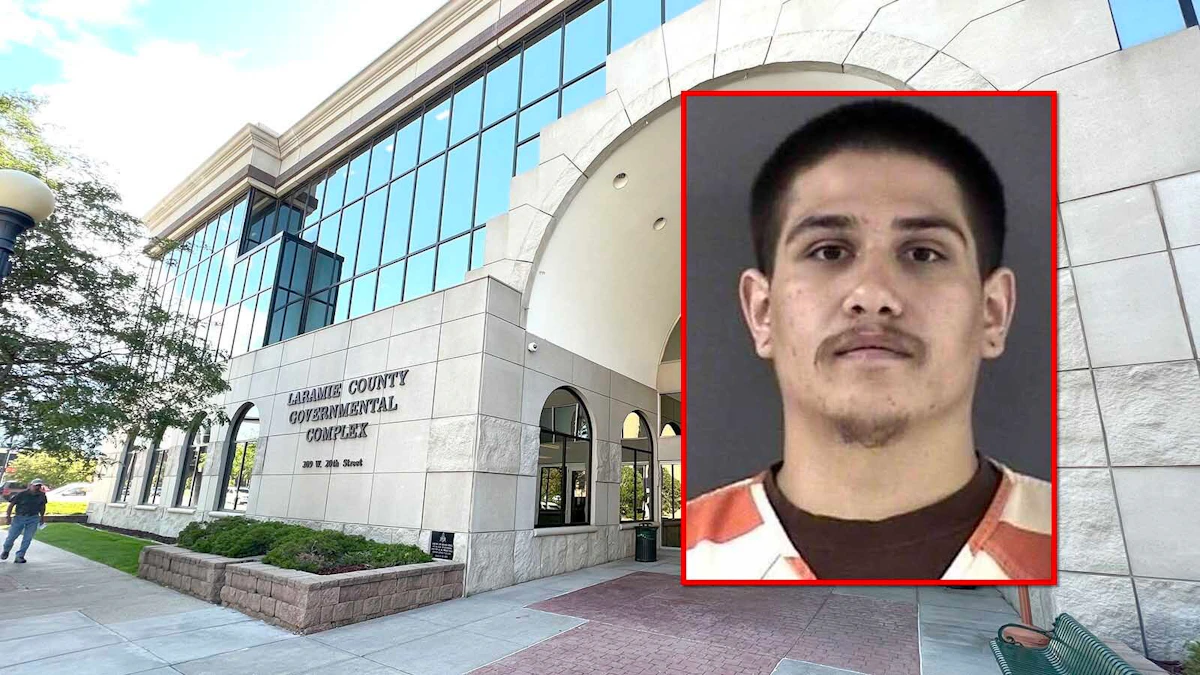
Cheyenne Shooting Trial Pits Self-Defense Against Prosecution’s ‘Malicious Intent’
“That’s not a threatening song,” Assistant District Attorney Steven McManamen told the jury, referencing a Drake track Adrian Maggos’s ex-girlfriend sent the night of the shooting. The jury’s decision, however, rests on a far more violent question: who had more to fear at 4:15 a.m. on April 30? Maggos, on trial for attempted second-degree murder, or Matthew Kerlee, the 31-year-old who appeared uninvited at Maggos’s house after a night of heavy drinking and drug use.
The stakes are immense. After seven hours of deliberation on the trial’s third day, the jury was dismissed for the evening and will resume Friday morning. Their options are stark: guilty of attempted second-degree murder, which carries a potential sentence of 20 years to life in prison, or the lesser-included offense of attempted voluntary manslaughter. The entire case hinges on interpreting the split-second decisions made during a violent, alcohol-fueled confrontation.
A Tale of Two Stories in the Courtroom
The courtroom became a battleground of conflicting accounts. Defense attorney Stacy Kirven painted a clear picture of her client acting in fear. She argued Maggos was attacked by Kerlee, who arrived with Mondragon, Maggos’s ex-girlfriend. Kirven claimed Kerlee threw the first punch at Maggos. Her case rested on the idea that Maggos was the victim. “They didn’t care about the truth because they already had their minds made up about him being the bad guy here,” Kirven said, alleging police bias.
Prosecutor McManamen, however, offered a contrasting version. He described Kerlee not as an aggressor, but as someone dropping off Mondragon, the sister of a good friend. The trouble, he said, began when Maggos and Mondragon began yelling and fighting in the yard. McManamen claimed Kerlee’s intervention was prompted by seeing Maggos throw Mondragon hard into his car and threaten her. When Kerlee took a swing at Maggos and missed, the fight between the two men continued. “He got out of the vehicle and took a swing at the defendant,” McManamen stated, adding that witnesses told police Kerlee was the one losing the fight.
The Unresolved Questions of Fear and Intent
Central to the defense’s argument is the question of motive and threat. Kirven pointed to a text message Mondragon sent Maggos on April 19, where she allegedly told him Kerlee was coming over to “beat your ass.” On the night of the shooting, Kirven added, Mondragon also threatened to break Maggos’s windows if he didn’t meet them outside. This, Kirven argued, established a pattern of fear and justified her client’s actions. She also questioned Kerlee’s state of mind, noting he tested positive at Cheyenne Regional Medical Center for methamphetamine, fentanyl, THC, and alcohol, suggesting he was “out of control and a danger to every one, especially Maggos.”
A Cheyenne man who shot at point-blank range in the chest, then pistol-whipped twice, told a jury Tuesday that he never saw the attack coming. Adrian Maggos, on trial for attempted second-degree murder, then taunted the victim, prosecutors say.https://t.co/t8yRYBvwt3
The prosecution pushed back hard on the self-defense narrative. If Maggos was truly in fear for his life, McManamen asked, why would he shoot a man he was allegedly beating? And why, after shooting Kerlee, would he approach the wounded man on his knees and pistol-whip him twice on the head? This act of alleged additional violence, McManamen suggested, demonstrated malicious intent rather than a desperate act of self-preservation. He also downplayed Mondragon’s threat, pointing to the Drake song she sent that night as evidence of a more complicated relationship.
“They didn’t care about the truth because they already had their minds made up about him being the bad guy here.”
The case is further complicated by evidence gaps and unanswered questions. Kirven questioned why police didn’t investigate two different brands of 9-mm cartridge casings found at the scene for DNA. She also pointed out that a 9-mm gun provided by Maggos’s brother was later tested and determined not to be the weapon used to shoot Kerlee. The state contends the gun was fired from a hidden “kangaroo pocket,” but the weapon itself has never been found.

Adding a layer of mystery, Kirven suggested another person could have been responsible for firing a weapon. However, McManamen dismissed this, noting that Kerlee testified Maggos shot him and that Maggos himself, upon surrendering to police about eight hours later, named Kerlee as the victim.
Trial Captures Chaotic Scene of Violence
Ultimately, the trial is about more than just legal arguments; it’s about the human and economic toll of a single night. The doorbell camera footage played for the jury captured the chilling sounds of the confrontation—the gunshot, people scattering, a scream, and then a second shot, 20 seconds later. The footage shows a chaotic scene of panic and violence that ended with Kerlee bleeding on the sidewalk, a woman applying pressure to his chest wound, and a community left to grapple with the aftermath.
After the state rested its case on Wednesday, Kirven moved for an acquittal, arguing there was insufficient evidence that Maggos “maliciously and purposefully” intended to kill Kerlee. However, First Judicial District Judge Nathaniel Hibben denied the motion.
The verdict will decide Adrian Maggos’s fate, but it will not offer a definitive answer about which version of the April 30 shooting the community believes to be true.
Keep reading

Experience Wealth opens in Wausau to serve Central Wisconsin
Steven Schreiner opened Experience Wealth in Wausau this April, targeting the wealth transfer and retirement planning needs of...

Car Crashes Into Rustic Spoon Patio Pinning Woman Under Tire
A woman was pinned under a car tire after a vehicle crashed through the patio of the Rustic...
Judge Blocks DOJ From Pressuring Washington to Set Aside Ballots
Federal Judge Halts Trump DOJ's Attempt to Withhold Washington Ballots Two days after Election Day, a federal judge...

Support Charleston Stage Resident Actors Through the Creativity Fund
Charleston Stage Launches 2026 Creativity Fund to Bolster Resident Actors For 25 years, the Resident Actor Program has...