
The Dark Money Mechanics Behind Virginia’s 2nd District Mailers
The mailer originated from the Progressive Champions PAC, a political action committee bearing a title that implies a left-leaning pedigree. Yet Sinclair noted that a closer look at public disclosures reveals the group is backed by conservative entities. Meanwhile, the candidate caught in the middle, Matt Baker, did not endorse the support, and Republican U.S. Rep. Jen Kiggans—who opposes much of Baker’s platform—remained unmentioned on the opposing side of the literature.
This dynamic highlights a broader, multi-decade transformation of American elections. Long before super PACs entered the lexicon, the legal framework governing political spending underwent seismic shifts. As detailed in reporting from the Wausau Pilot and Review, the 1976 Supreme Court ruling in Buckley v. Valeo established that spending money on political campaigns equates to free speech, a principle later expanded by the 2010 Citizens United decision to lift spending limits for corporations and unions.
By 2026, subsequent decisions like FEC v. NRSC further dismantled caps on coordinated party spending. The cumulative result has been an influx of unquantifiable dark money, enabling organizations to obscure their funding sources while shaping local voter perception through targeted advertising.
Constitutional Questions and Local Governance
Beyond federal campaign tactics, voters across the region are weighing ballot questions and local contests carrying immediate civic impact.
Diverging Views on Congressional Records and Federal Policy
The debate over federal representation in Hampton Roads remains sharply divided as early voting unfolds. Amy Mazich of Yorktown sharply criticized the voting records of U.S. Reps. Rob Wittman and Jen Kiggans, arguing that their frequent alignment with presidential policies runs counter to the region’s needs.
Conversely, Michelle Charles of Saluda offered a staunch defense of Wittman, highlighting his legislative work supporting military families and veterans. Charles pointed to Wittman’s support for a 3.8% across-the-board basic pay increase for service members under the 2026 National Defense Authorization Act, alongside his vote for the PACT Act to expand toxic exposure healthcare.
As voters navigate these conflicting evaluations of local and federal stewardship, the fundamental mechanics of campaign funding continue to shape the electoral landscape from the ground up.
Worth a look

Whatcom County Businesses Hit by $64M Loss as Canadian Shoppers Stay Away
Border Towns Count the Cost as Cross-Border Shopping Plummets Whatcom County businesses along the U.S.–Canada border lost an...

Wyoming Area visits Pittston Area in week 10 rivalry football game
Wyoming Area Visits Pittston Area in Week 10 Rivalry Clash Some rivalries need no introduction, and Friday night...

Milwaukee Gears Up for Brewers World Series Championship Parade
Downtown Milwaukee Prepares for the Brewers World Series Parade The Milwaukee Brewers secured their World Series victory against...
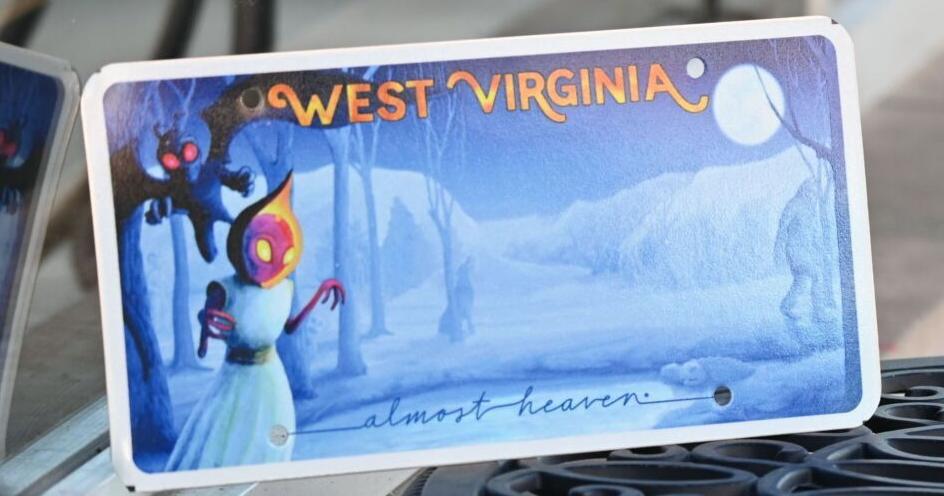
West Virginia Unveils New License Plate Featuring State Cryptids
“Now, contrary to popular belief, the DMV does have a sense of humor!” West Virginia Division of Motor...