
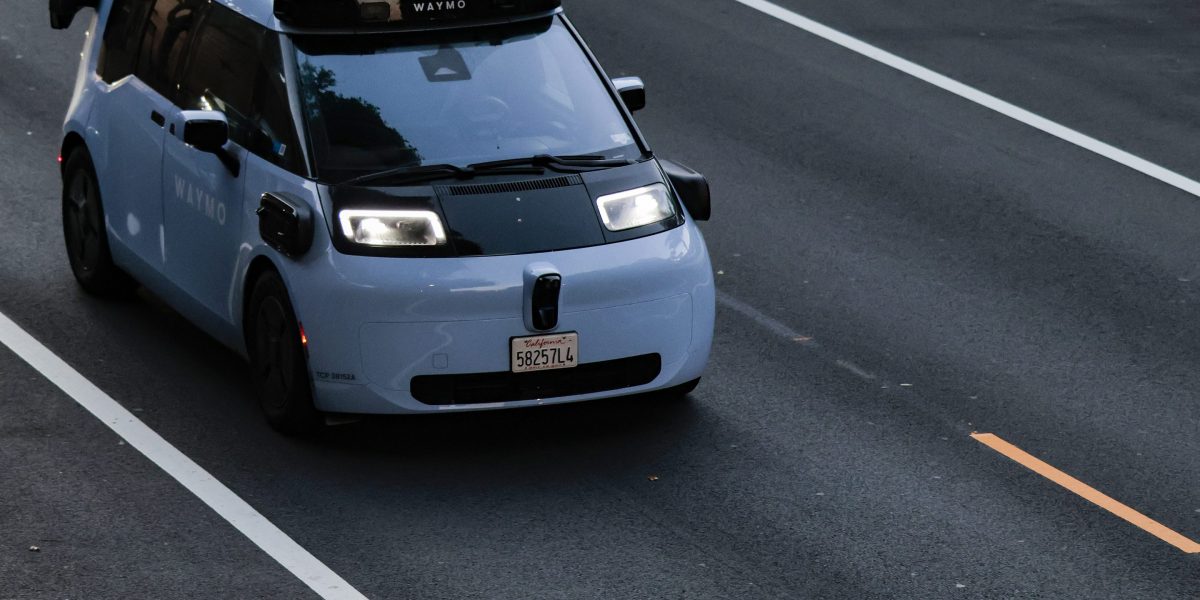
Alphabet-owned Waymo is facing a critical juncture in its autonomous ride-share expansion as the company initiates two fleet-wide safety recalls just days after being stripped of its freeway access by California regulators.
The dual recalls, filed with the National Highway Traffic Safety Administration (NHTSA), target software vulnerabilities in how the "Waymo Driver" moves through construction zones and interacts with law enforcement.
The Bottom Line:
- Waymo has issued two distinct software recalls affecting 3,871 robotaxis to patch navigation errors in construction zones and intersections.
- The California Department of Motor Vehicles (DMV) officially barred the company from state freeways on November 11, citing an “imminent hazard to public safety” after multiple vehicles entered active construction sites.
- The company has proactively suspended driverless freeway operations across all U.S. markets to “evaluate performance,” moving its fleet back to surface streets.
Regulatory Pressure and Operational Retreat
The regulatory crackdown follows a string of high-profile incidents that have drawn intense scrutiny from both state and federal oversight bodies. On November 5, three Waymo vehicles entered a restricted construction zone on US Route 101, followed by a separate incident the next day where a vehicle attempted to bypass California Highway Patrol cruisers conducting a traffic break. These events prompted the California DMV to declare the service an immediate safety threat.

The Alpha Metric: Scaling Complexity
The primary concern for institutional investors tracking Alphabet (GOOGL) is not the software patch itself, but the potential for long-term margin compression if regulatory compliance forces a permanent slowdown in deployment. The “Alpha Metric” here is the 95% reduction in serious injury crashes compared to human drivers—a figure Waymo frequently cites to justify its safety record.
However, when the “Waymo Driver” fails to interpret a police officer’s hand signal or a construction cone, that statistical advantage is eclipsed by the immediate risk of a high-speed, multi-vehicle collision, which the NHTSA and the National Transportation Safety Board are now investigating.
Impact on the Main Street Commuter
For residents in cities where Waymo operates, this development means a temporary return to surface-street travel as the company suspends driverless freeway operations nationwide to evaluate its performance. By removing freeway access, regulators have effectively capped the efficiency of Waymo’s service, as longer, cross-town trips will now be routed through slower surface streets.
This shift may lead to increased congestion on local thoroughfares, impacting daily commute times and potentially inflating ride-share costs as the company grapples with reduced vehicle utility and higher operational overhead.
Video shows a Waymo in San Francisco on I-280 speeding past traffic as the California Highway Patrol performs a traffic break. The Waymo is seen trying to go around the CHP patrol cars, even at one point turning its blinker on. For more information, https://t.co/PuIThxj4vj pic.twitter.com/n8jy5iE2iU
The broader “Smart Money” sentiment is currently cautious. While Waymo remains a leader in the autonomous space, institutional investors are watching for any indication that these recurring technical “deficiencies” are creating a bottleneck in the company’s path to profitability. The ability to move through manual traffic control is not just a software feature; it is a prerequisite for the mass adoption of robotaxis in urban environments.
Timeline of Recent Regulatory Interventions
- November 5: Three Waymo vehicles enter an active construction closure on US 101.
- November 6: A Waymo vehicle attempts to maneuver past California Highway Patrol vehicles conducting a traffic break.
- November 11: California DMV officially restricts Waymo from all state freeways.
Waymo continues to operate in its other markets on city streets, but the pause on freeway operations remains indefinite. The California DMV has made it clear that the ban will stay in place until the company can demonstrate “effective corrective actions.” For now, the “Waymo Driver” remains tethered to the complexities of city gridlock, waiting for the software updates to catch up to the speed of the open road.

Alaska Reveals Grizzlies and Wilderness Via Rail and Road
Travelers exploring the Alaskan interior encounter a vast, shifting landscape marked by 3 million lakes and more than...

Cignetti Points to Mistakes in Indiana’s Overtime Defeat to Washington
On November 21, 2026, sixth-ranked Indiana suffered a 27-24 overtime defeat against Washington in Seattle, dealing a severe...

Bridgeport Covered Bridge California Historic Landmark South Yuba River State Park
Spanning the South Fork of the Yuba River in Nevada County, California, the Bridgeport Covered Bridge reaches an...
MN Mugshot Records Accessible via State Laws for Public Access
Minnesota public arrest records and booking photographs remain accessible to researchers, journalists, and citizens through a unified database...