
Indonesia is positioning its peatlands and mangroves to capture a slice of Japan’s goal to buy up to 100 million tons of CO₂ credits by 2030 under the Joint Crediting Mechanism, ANTARA News reported.
The Forestry Ministry’s Director General of Sustainable Forest Management, Laksmi Wijayanti, said Indonesia holds an advantage over Japan’s other JCM partners because it is the only one with peatlands and mangroves within its forest areas. “This cooperation reflects a shared commitment to tackling climate change through concrete action, technological collaboration, and the mobilization of sustainable investment,” Wijayanti said during a panel at the Indonesia Pavilion at COP31 in Antalya, Türkiye, on November 14.
Quantum Commodity Intelligence estimates nature-based JCM credits at US$25–28 per ton, putting the potential market value at US$2.5 billion to US$2.8 billion, or roughly Rp40 trillion to Rp44.8 trillion, according to ANTARA News. Tempo reported the same 100-million-ton target and added that Indonesia’s forest carbon potential stands at 13.4 gigatons of CO₂, citing 2025 BloombergNEF data.
Indonesia has approximately 13.36 million hectares of peatlands and 3.46 million hectares of mangroves, of which around 2.73 million hectares are located within forest areas, the Forestry Ministry’s Director of Forest Utilization Business Development, Ilham, said. He told Tempo that demand for nature-based credits under Article 6.2 is “substantial and urgent,” particularly from Singapore, Japan via the JCM, and the ICAO-CORSIA aviation scheme, which is estimated to require 200 million to 250 million eligible carbon units by January 2028.
The two countries will jointly develop a methodology for calculating forest-sector credits from peatlands and mangroves to meet national and international standards. Indonesia’s regulatory framework rests on Presidential Regulation No. 110 of 2025 and Forestry Ministerial Regulation No. 6 of 2026, which cover authorization of international transfers of mitigation outcomes and technical arrangements for forestry carbon trading, Tempo reported.
Worth a look

Multiple Myeloma Has Highest 1-Year Heart Attack Risk After Cancer Diagnosis, Danish Study Finds
Patients with multiple myeloma face the highest relative risk of a heart attack within one year of a...

Doogee Teases Note 70 With Galaxy S26 Ultra-Like Camera Design
Doogee has teased the Note 70, a budget-focused smartphone that features a 1.8-inch rear display and a camera...
Turkish OMFSs Show Gaps in Oral Cancer Lymph Node Exams
Oral and maxillofacial surgeons in Türkiye show gaps in routine lymph node examinations and specialized diagnostic confidence despite...
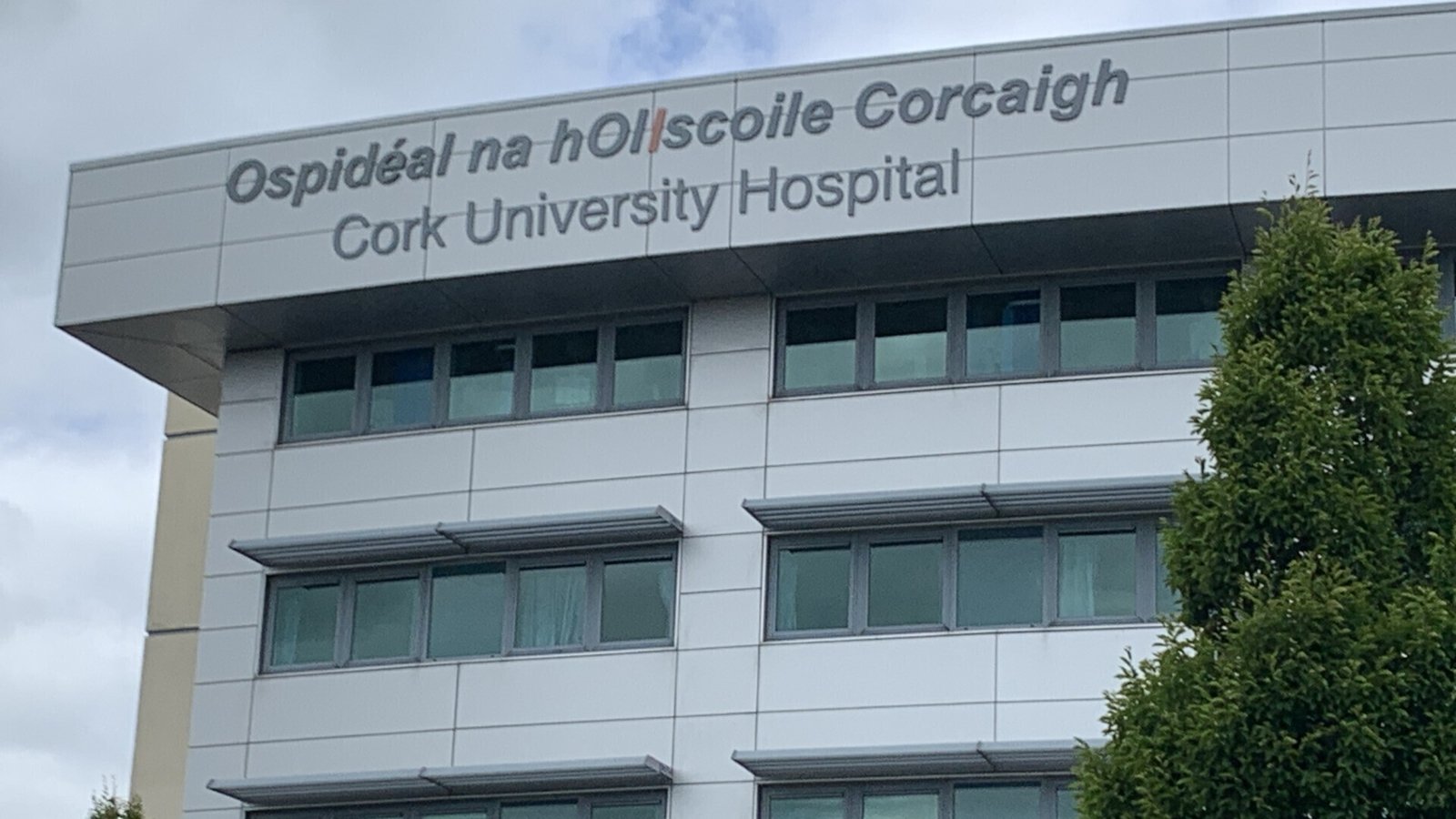
CUH Staffing Dispute Continues With Daylight Between Sides – RTÉ.ie
Cork University Hospital (CUH) sits at the center of a deepening crisis as management and senior clinicians clash...