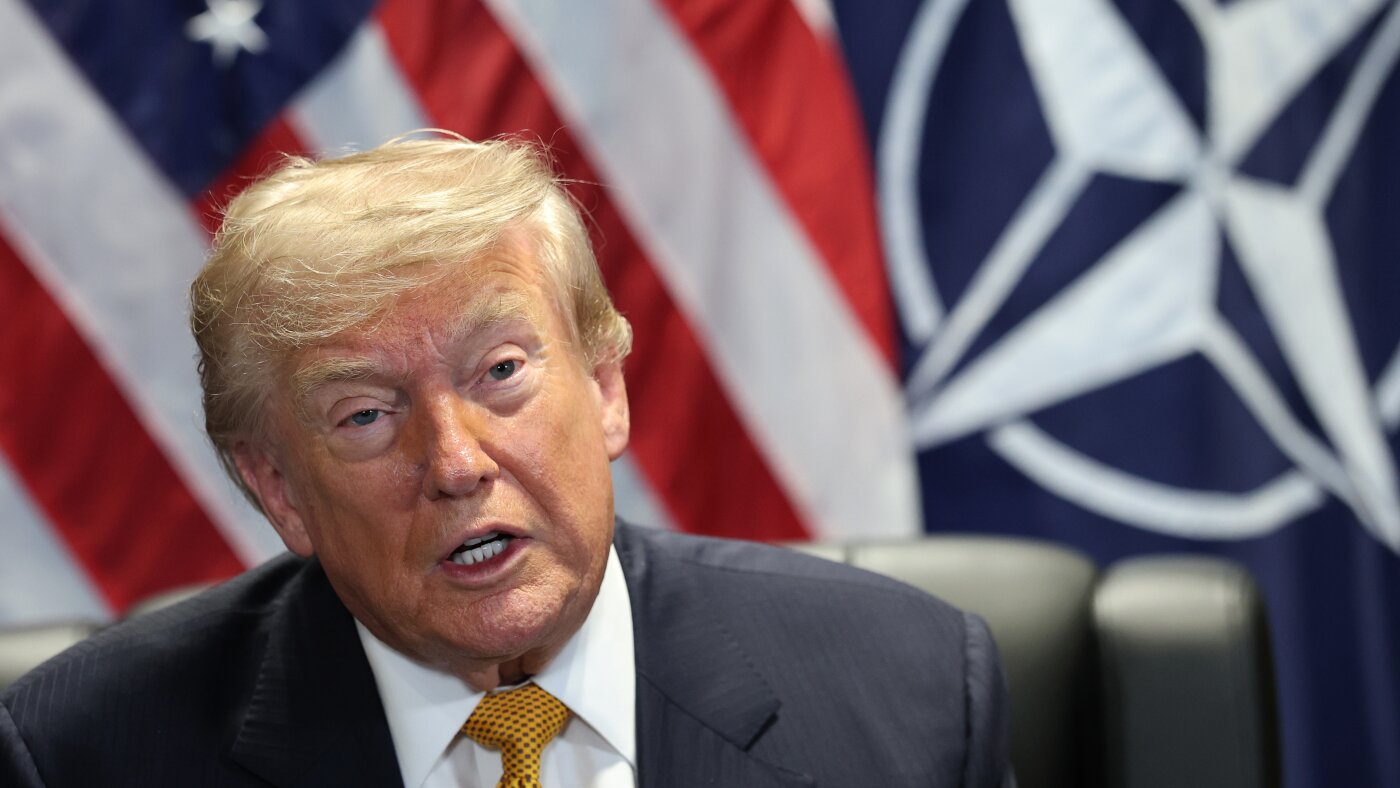
President Donald Trump declared the U.S.-Iran ceasefire “over” on Wednesday, following a night of escalating military strikes. U.S. Central Command confirmed it hit over 80 targets in response to Iranian attacks on three commercial vessels in the Strait of Hormuz, while Iran retaliated by targeting U.S. military sites in Bahrain and Kuwait.
Military Escalation in the Strait of Hormuz
The current crisis follows a cycle of violence that began Monday and Tuesday when Iranian forces targeted three commercial vessels transiting the Strait of Hormuz. According to The Guardian, the struck ships included the Marshallese-flagged al Rekayyat—which was carrying Qatari liquid gas—the Saudi-flagged Wedyan, and the Liberian-flagged Cyprus Prosperity.
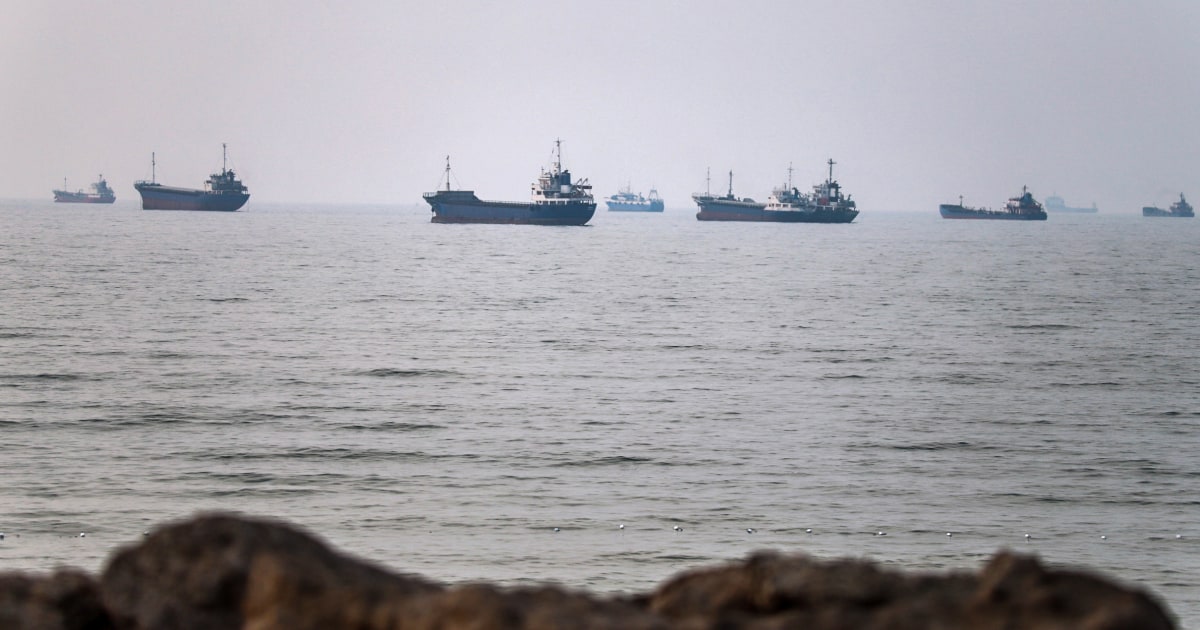
The Strait of Hormuz is a critical maritime chokepoint, serving as the passage for roughly one-fifth of the world’s total oil consumption. Under international maritime law, specifically the United Nations Convention on the Law of the Sea (UNCLOS), the strait is considered an international waterway, granting vessels the right of transit passage. Disruptions to this narrow corridor historically trigger immediate global economic volatility, as insurance premiums for commercial shipping spike and supply chains for energy markets face immediate uncertainty.
In response, the U.S. launched strikes against more than 80 targets, including air defense systems, coastal surveillance sites, drone launch facilities, and command networks, as reported by NBC News. The U.S. military also destroyed more than 60 small boats belonging to the Islamic Revolutionary Guard Corps (IRGC). Iran’s state media reported explosions on the island of Qeshm and in the cities of Sirik and Bandar Abbas, with one IRGC naval officer confirmed killed.
Retaliating further, the IRGC claimed to have targeted 85 facilities in Bahrain and Kuwait. CBS News reported that the Kuwaiti army detected 15 incoming projectiles—two ballistic missiles and 13 drones—that breached its airspace. Despite the barrage, Kuwaiti authorities reported no casualties. The strikes mark a significant expansion of the conflict theater, moving from maritime skirmishes directly into the sovereign territory of U.S. allies in the Gulf.
Trump Declares Ceasefire Void
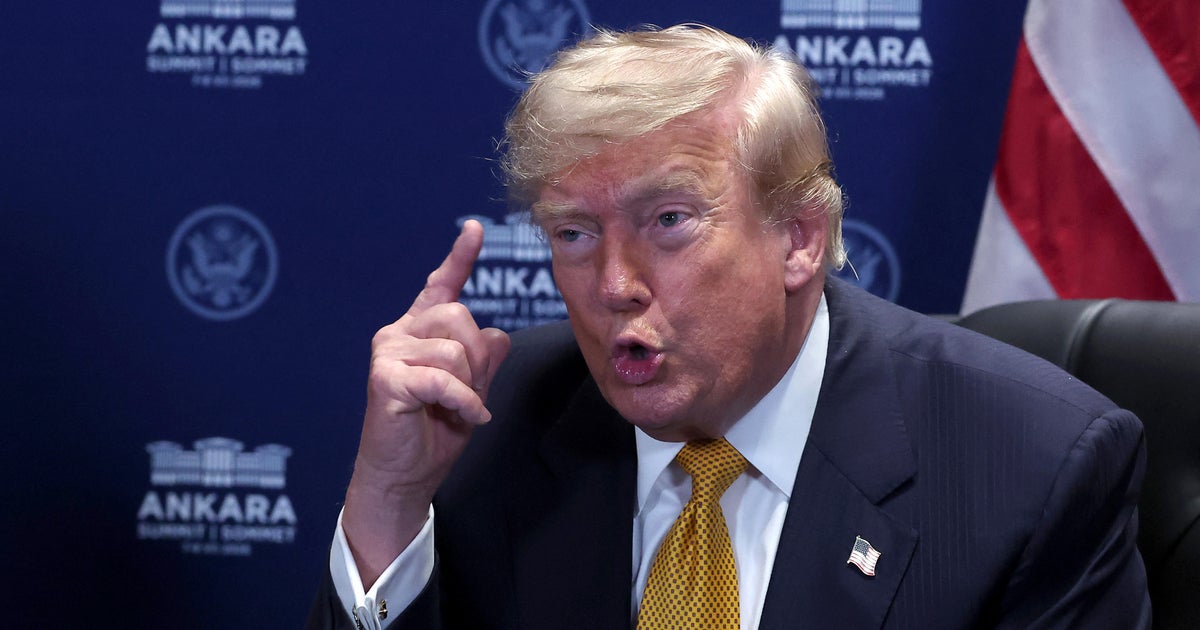
Speaking at a NATO summit in Ankara, Turkey, President Trump signaled the end of the diplomatic framework established just last month. “I think it’s over. I don’t want to deal with them anymore,” Trump stated, describing Iranian leadership as “sick people” and “scum.”
While the president suggested it was a “waste of time” to continue negotiations, he indicated that U.S. negotiators would remain in contact with their Iranian counterparts if they chose to do so. This rhetoric marks a sharp pivot from his previous, more complimentary remarks regarding Iranian leaders. Aljazeera noted that the ceasefire, which was extended by 60 days in June through a memorandum of understanding (MoU), now appears to be in total collapse. The MoU had been viewed by international observers as a fragile mechanism intended to prevent miscalculation between the two militaries during a period of heightened regional tensions.
Sanctions and Regional Reactions
Alongside the military strikes, the U.S. Treasury revoked a temporary sanctions waiver that had previously permitted the sale of Iranian crude oil on the global market. The new order mandates that all production and sales of Iranian oil be wound down by July 17, according to NBC News. Economic sanctions are a primary tool of U.S. foreign policy, designed to restrict a nation’s access to foreign currency and global trade networks, thereby limiting their ability to fund military operations or sustain domestic infrastructure.
The Gulf Cooperation Council (GCC) issued a condemnation of the Iranian strikes, labeling them a “flagrant violation” of regional sovereignty. Meanwhile, the International Maritime Organization (IMO) condemned the “reckless attacks” on commercial shipping. “No seafarer should have to risk their life simply for doing their job,” said Arsenio Dominguez, head of the IMO, as cited by CBS News. The IMO, a specialized agency of the United Nations, is responsible for the safety and security of shipping and the prevention of marine pollution by ships, and its condemnation highlights the global concern for the protection of international trade routes.
Uncertainty Ahead for Diplomacy
As of Wednesday, the long-term viability of the MoU remains unclear. While Trump’s public comments suggest a complete withdrawal from the agreement, Iranian officials have not officially declared the pact dead, though they have warned of harsher retaliation in the coming days.
The breakdown of such agreements typically leads to a period of heightened military posture, as both sides move assets into defensive positions to deter further aggression. In the context of U.S.-Iran relations, this often involves the movement of aircraft carrier strike groups and the activation of land-based missile defense batteries throughout the region.
“I think there’s going to be a diplomatic push from across the Gulf to bring Iran and the US back to the negotiating table,” noted Al Jazeera’s reporting from Doha. For now, the region braces for potential further conflict as the U.S. and Iran trade accusations of violating the terms of the now-frail peace agreement. Diplomatic backchannels, often facilitated by neutral third-party nations in the region, remain the primary method for de-escalation when direct communication between major adversaries is suspended.
Find more reporting in our News section.

COSATU Launches Nationwide Strikes Amid 43.8% Unemployment Rate
While foreign exchange markets showed little change early in the week—with the rand trading at 16.6325 against the...

UK Police Arrest Seventh Suspect in Investigation Near RAF Fairford
Following a suspected plot near RAF Fairford, British police have arrested a suspect on suspicion of preparing terrorist...
S. Jaishankar Visits Ghana to Advance India-Ghana Comprehensive Partnership
External Affairs Minister S.
Omaheke Governor Pijoo Nganate Urges Sustainable Livelihoods for Returnees
"A commemoration must also challenge us to ask: What are we doing for the living? What are we...