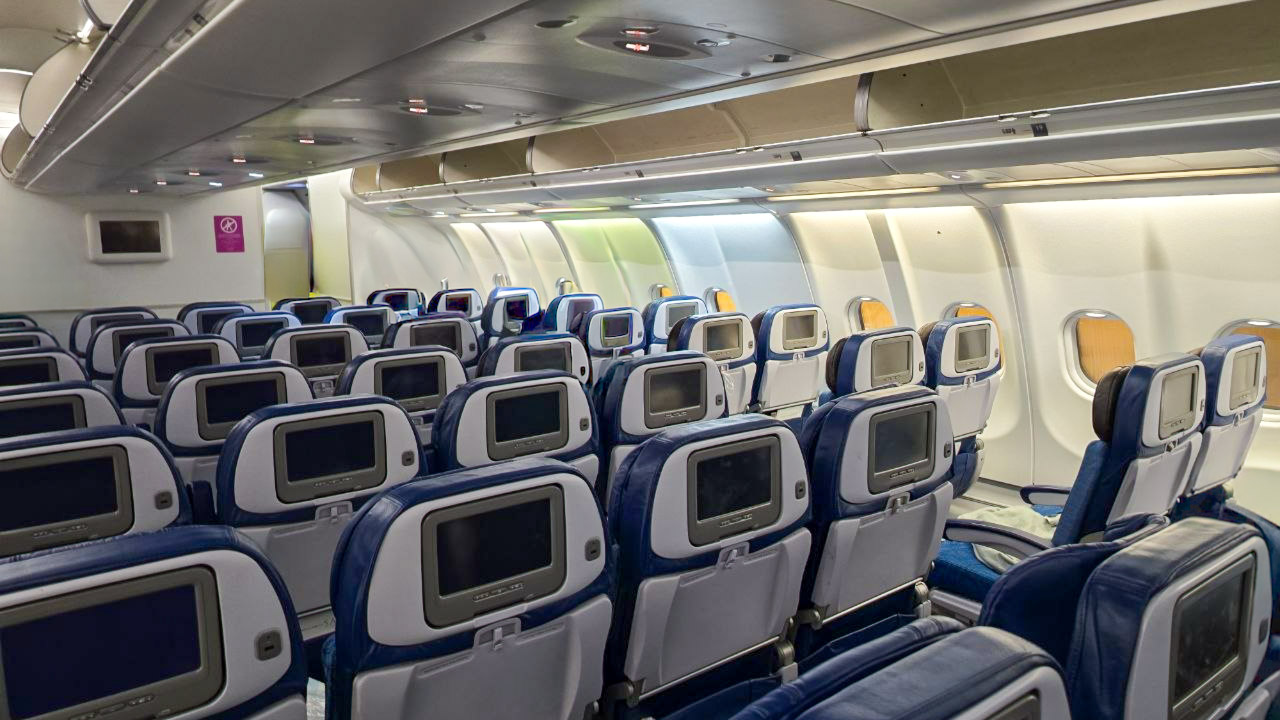
United Airlines defended charging passengers up to $70 to avoid a middle seat on flights to Hawaii, arguing customers are willing to pay for preference. Beat of Hawaii reported on the practice, which can add hundreds to a family’s fare for a standard economy seat.
Imagine paying a premium just to sit next to the window. That’s the reality United Airlines is defending, and it’s a question hitting close to home for anyone dreaming of a Hawaiian vacation. In an October 18 interview with The New York Times, reporter Jordyn Holman pressed United CEO Scott Kirby on why a passenger might have to shell out $70 just to escape a middle seat on a trans-Pacific flight. Kirby’s answer was straightforward: some customers want the cheapest possible ticket, while others will pay extra for a seat they prefer.
What $70 Really Means for a Family
We’re not talking about upgrading to a seat with extra legroom or a premium cabin. This fee is for an ordinary aisle or window seat in the very same economy class. For a couple, that’s $140 each way. For a family of four, it’s $280. On a five- or six-hour flight to the islands, that’s a significant sum of money for a basic comfort most travelers once took for granted. The $70 figure itself was a reporter’s example, not a standardized charge across all United flights, but it’s a number that sticks in your mind.
The airline’s regular economy fares generally include a standard seat selection at no extra charge. The real pinch comes with Basic Economy tickets, where advance seat choice often requires an additional fee. United’s stance, as explained by Kirby, is that it’s simply responding to customer demand. “There are some customers who want to sit in a window seat or a better seat,” he said, “and that costs money to deliver.” It’s a logic that places the cost of convenience squarely on the passenger.
The New Normal: Every Airline Plays the Seat Price Game
United isn’t operating in a vacuum. Across the industry, the practice of charging for seat selection has become a primary revenue stream, and the business of flying to Hawaii is no exception. Alaska Airlines, in a candid announcement for changes taking effect in April 2026, confirmed a shift toward individualized seat pricing. The airline even suggested that passengers willing to sit in the middle might pay less, while those seeking a window or aisle would pay more.
Southwest, once the champion of open seating, has also joined the fray. On January 27, 2026, the airline abandoned its long-standing policy of boarding and choosing any open seat. Now, its cheapest Basic fare comes with an assignment at check-in, while higher-priced tickets offer varying levels of advance selection. Travelers can purchase upgrades, with published fees showing a range of costs for a preferred spot. American Airlines, in May 2026, further tightened the rules by eliminating complimentary advance seat selection benefits even for its elite members buying Basic Economy tickets. The message is clear: status no longer guarantees you a good seat without paying extra.
A Tale of Two Fleets: Why Your Seat Matters More Than You Think
The value of a particular seat often depends on the aircraft you’re flying. Hawaiian Airlines, for instance, uses an Airbus A330 with a 2-4-2 economy layout. This allows couples to sit together on a two-seat side without a middle passenger, potentially avoiding a fee if those seats are still available. Alaska Airlines, on the other hand, flies a Boeing 787 with a 3-3-3 arrangement, meaning couples are almost guaranteed to have a stranger in their row unless they pay to book specific seats.
But the “worst” seat isn’t always the middle one. For many travelers, a seat at the rear of the plane, near the lavatories and galleys, is far less desirable. On a long-haul flight, you’ll see a constant stream of people standing and congregating in that area, making it difficult to rest or sleep. These are the nuances of air travel that airlines are monetizing, turning a simple choice of location into a significant line item on your travel budget.
“The basic distinction is that the cheapest, most restrictive fares generally leave passengers with little or no complimentary advance seat choice,” explained Beat of Hawaii in its investigation, “while regular economy fares include standard selection.”
The Fine Print: Why Your “Guaranteed” Seat Isn’t
Here’s a crucial piece of information for travelers who do pay up: airlines can and do change seat assignments after purchase. This can happen for operational reasons like aircraft substitutions or schedule changes. United explicitly states that even purchased seat assignments aren’t guaranteed, though it claims to provide comparable seating when changes become necessary. For a passenger who paid specifically to avoid a middle seat, being reassigned to one is a frustrating outcome, and a refund for the fee doesn’t solve the discomfort of the flight itself.
Families face an added layer of complexity. Most airlines have policies to seat young children beside an accompanying adult at no extra charge, but these policies come with conditions. The bottom line is that the cheapest fare isn’t always the cheapest option once you factor in the costs for every family member to have a seat they’re comfortable with. Before hitting “buy,” it’s wise to compare the total cost of a basic fare with add-on seat fees against the price of a regular economy ticket that includes standard selection. The original savings can quickly vanish.
What’s Next? The End of an Era in Hawaii
Looking ahead, the experience of flying between the Hawaiian Islands is set to change. As Beat of Hawaii reported, Alaska Airlines has confirmed that Hawaiian Airlines will replace its Boeing 717 fleet with Hawaiian-branded Boeing 737-800s, with the transition beginning in 2028. This seemingly technical switch has a direct impact on passengers. The 717 features a 2-3 seating layout, which includes a popular two-seat side. The new 737-800s have a 3-3 layout, eliminating that two-seat option and introducing another middle seat in every economy row. This change will nearly double the number of middle seats on interisland flights, making the competition for a window or aisle seat even fiercer—and likely more expensive.
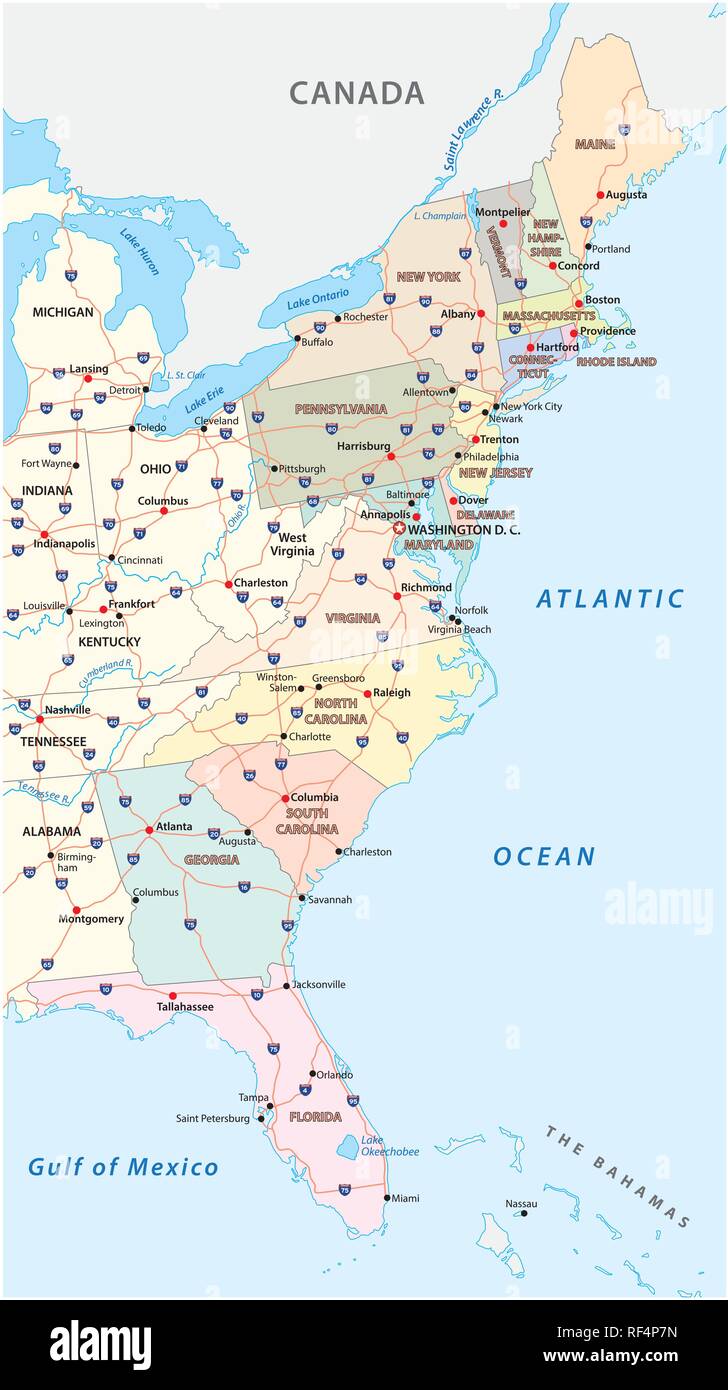
So, the question remains: what is your comfort worth? Would you pay $25, $50, $70, or more to escape a middle seat on a six-hour flight to Hawaii? Does your answer change if it’s an overnight flight from the East Coast, or when you’re traveling with a partner you want to sit beside? The airlines have made it clear that preference has a price, and the traveler must decide how much they’re willing to pay for a few inches of personal space on the journey to paradise.

Ravens lose 33-10 to Jaguars as analysts question roster and defense
Ravens Face Hard Questions After 33-10 Loss to Jaguars in Week 9 In a column for Baltimore Beatdown,...

BJ’s Wholesale Club Opens Frankfort Location With $2 Gas Deal
Frankfort BJ's Wholesale Club sets November opening with $2 gas promotion Gasoline will cost $2 per gallon at...
Michael Rodrigue, Jr., 43, of Harvey, LA, passed away unexpectedly
Michael Rodrigue, Jr., a native of New Orleans and resident of Harvey, Louisiana, passed away unexpectedly on Monday,...

Trump Signs Proclamation Protecting Oval Office Decor
Oval Office Proclamation Follows Historic Midterm Defeats Sitting behind the Resolute Desk in a newly redesigned room, Donald...