
In a column for Outdoor Life, Scott Haugen argues that Oregon delivers the most complete hunting and fishing portfolio of any state in the country.
Haugen, a full-time outdoor writer and photographer based in Walterville, builds the case on a single autumn within an hour of his home. He shot a Columbia whitetail — a subspecies huntable only in Oregon — then took a black bear in the Coast Range, filled wood-duck and mallard limits on public rivers, and finished a fall turkey trifecta using a beardless permit created to address agricultural depredation.
The same week he called a mountain lion into shotgun range at 12 paces; trail cameras had captured 11 different lions within 25 miles of his house the previous year, seven of them within two miles.
Oregon lists 12 huntable big-game species, including four deer subspecies: Columbia whitetail, Columbia blacktail, mule deer and Rocky Mountain elk. Roosevelt elk have expanded from the Cascades to valley floors and Pacific beaches.
The state offers 14 turkey tags annually — three spring toms plus the fall beardless permits — and 33 of the 41 recognized North American waterfowl species occur here, with Eurasian wigeon appearing more frequently. Predator hunters find coyotes and bobcats statewide; mountain lions were reclassified as big game in recent years.
Initiative Petition 28 never reached voters
National outlets spent much of 2026 warning that Oregon would lose all hunting and fishing rights. Initiative Petition 28, the measure driving those headlines, did not qualify for the November ballot.
Haugen writes that the initiative’s language was broad enough to alarm cattle ranchers, farmers and pet owners, not just sportsmen, and that much of the criticism ignored the geographic split driving state policy: three urban centers set the rules while game populations thrive across the much larger rural landscape.
Fifty-eight years on the McKenzie and Willamette
Haugen’s first summer steelhead came from the North Umpqua in 1968 at age four. He caught his first spring chinook on the McKenzie in the 1960s; the river holds a blue-ribbon trout rating and was a favorite of Theodore Roosevelt. The Willamette produces salmon, steelhead and trout, and its confluence with the Columbia delivers world-class sturgeon and salmon fisheries.
Pheasants were first introduced to the continent two miles from his home in 1882; Eastern Oregon now holds strong ring-neck populations. Valley quail, mountain quail, ruffed grouse and sooty grouse — the latter now common below 500 feet elevation — share the same days. Band-tailed pigeon seasons open each mid-September.
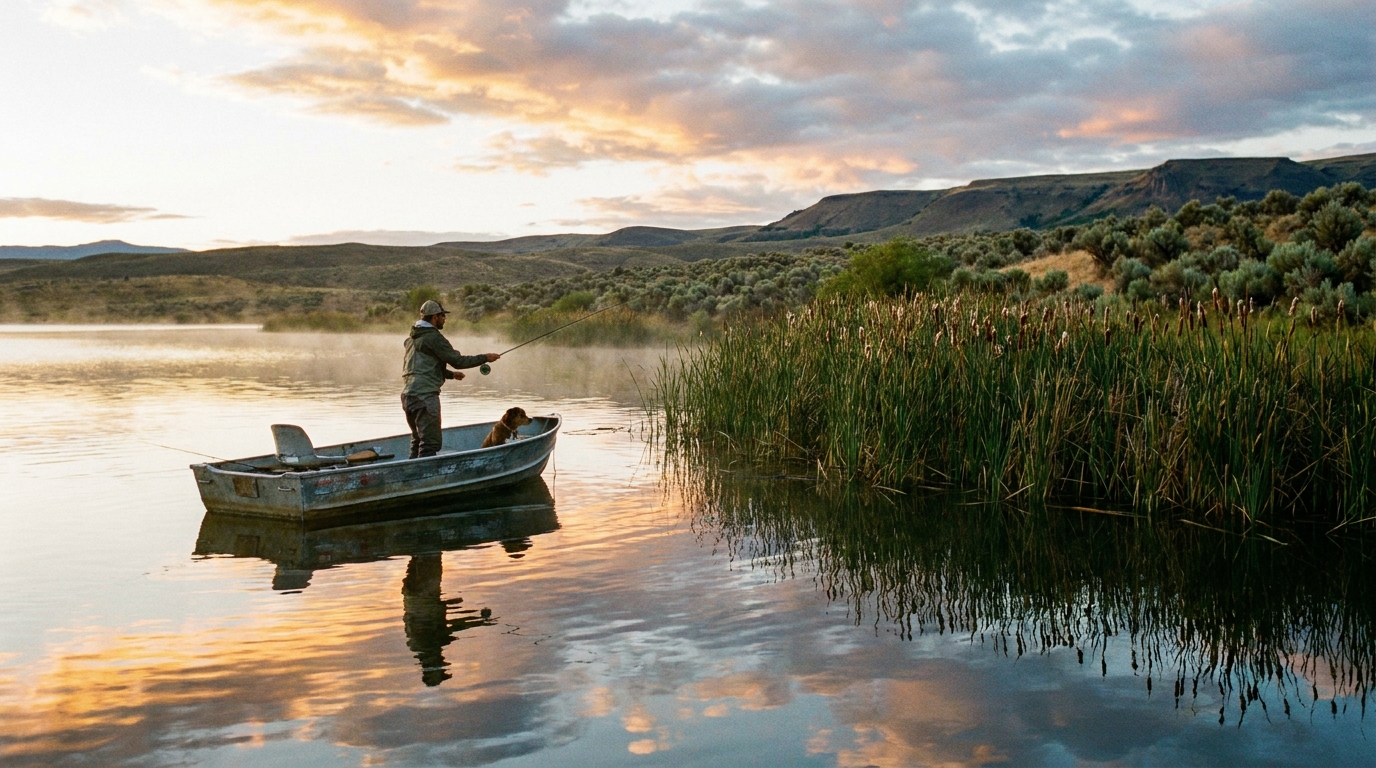
“One hunting or fishing trip to our great state will reveal how special it truly is.”
Scott Haugen, Outdoor Life
Related reading

Las Vegas Police Swarm GTA Mansion After Swatting Call
Las Vegas police swarmed a Grand Theft Auto-themed mansion Wednesday night after a swatting call interrupted a live...

New Mexico AG Joins Motion for Statewide Injunction Halting 7-Day Gun Wait
New Mexico Attorney General Raúl Torrez agreed Wednesday to a statewide injunction halting enforcement of the state’s seven-day...

Kindiki Reaffirms Judiciary Independence, Cites Sh12.95bn Funding Gap
That is not a lot of money for the Judiciary to ask for.

Colorado Schools Scramble to Interpret Proposition 134 After State Guidance
Colorado voters approved Proposition 134 this month requiring school athletic teams to be designated by biological sex, prompting...