
Wilmington taxpayers are footing a legal bill that has now topped $207,000 as the Wilmington City Council pushes its political feud with Councilman James Spadola all the way to the Delaware Supreme Court. The council is appealing a lower court decision that previously blocked efforts to oust Spadola from his at-large seat after he switched his political affiliation from Republican to Democrat.
The protracted legal battle stems from a unique political maneuver last year when Spadola left the Republican Party, citing policy disagreements with President Donald Trump. Because all 13 members of the Wilmington City Council are now Democrats, the switch eliminated the city council’s sole minority party representative. City rules mandate that at least one member must be elected from outside the majority party.
In response, council members argued the party switch disenfranchised roughly 15% of the city’s non-Democratic voters. Council President Ernest “Trippi” Congo sponsored a resolution in May to declare Spadola’s seat vacant, which the council subsequently approved. Spadola fought back with a lawsuit in Chancery Court, successfully arguing that the council lacked the legal authority to remove him.
City Council Appeals Ruling on Spadola Ouster
Chancellor Kathaleen McCormick ruled in September that Spadola’s colleagues misused their authority when they voted to oust him. In her decision, McCormick noted that the city charter does not explicitly restrict post-election party switching, declaring that her decision “will not imply one.”
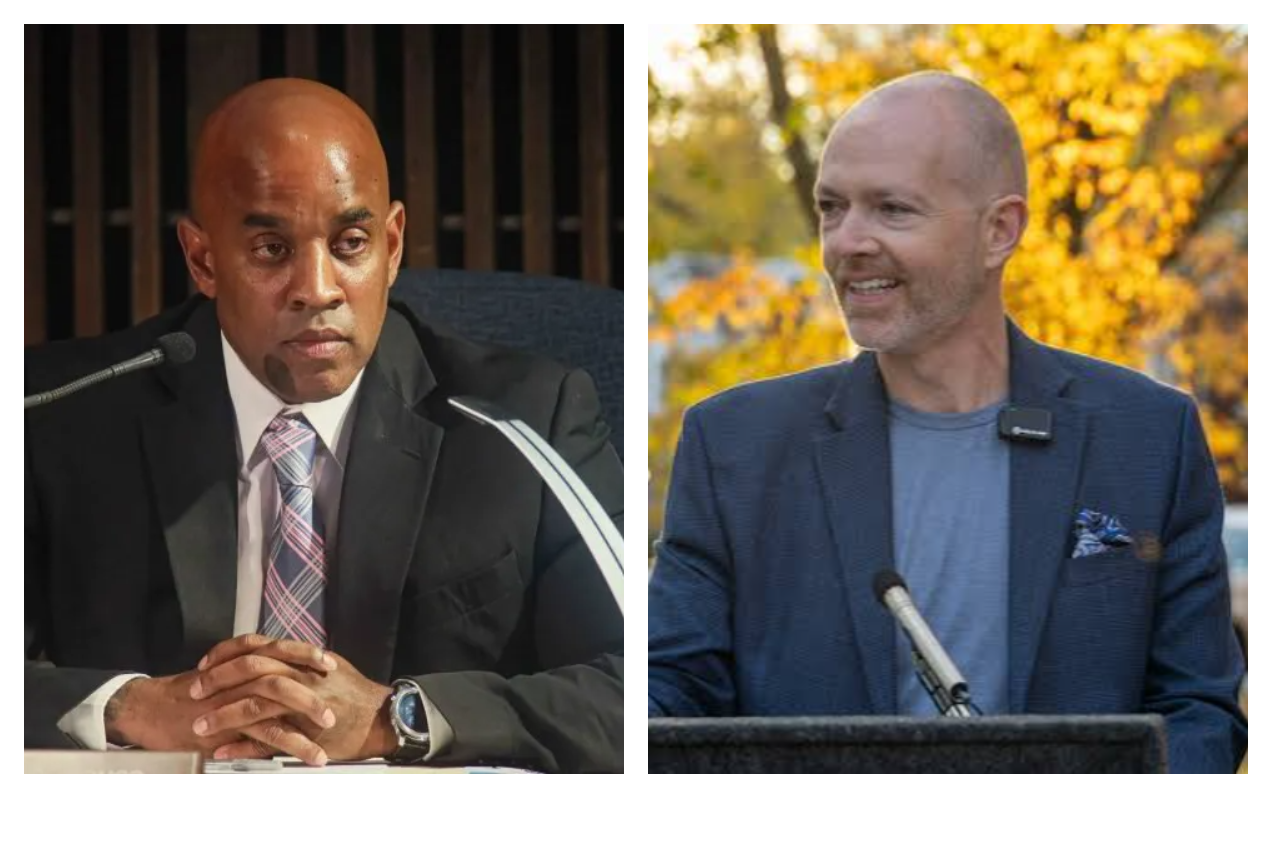
Despite that judicial setback, the full City Council decided to press forward with an appeal. Council President Congo’s attorney, Jane Brady, has until November 30 to file an opening brief with the Delaware Supreme Court. Financial records from City Council staff indicate that as of October 23, the city has spent more than $207,000 on the case. That total includes a little over $130,000 paid to Spadola’s attorneys and about $75,000 allocated to Congo’s legal representation.
Spadola criticized the ongoing litigation, pointing out that the city’s own Law Department initially concluded that changing political parties did not violate the city charter.
“So it’s unfortunate that $200,000 later, we’re back to where we started. But what the Law Department told council that they didn’t want to believe for whatever reason. And now the city’s going to be on the hook for even additional money,” Spadola said.
Questions of Transparency Behind Closed Doors
Beyond the mounting financial toll, Spadola raised serious concerns regarding how the council authorized the Supreme Court appeal. He stated that the decision lacked public transparency and caught several council members entirely off guard.
While the initial appeal filing indicates the action followed internal discussions among members who remain convinced the charter bars a minority-party member from switching to the majority party, Spadola maintained that no formal public meeting or vote took place to discuss the appeal.
“There was no announcement about it. There was no meeting discussing the appeal,” Spadola said. “Even though the actual appeals on words says following internal discussion, whatever that means, and then I reached out to a couple of council members who didn’t even know was being discussed let alone filed.”
As the legal teams prepare their arguments ahead of the late November filing deadline, the fundamental question remains whether Delaware’s highest court will validate the council’s interpretation of minority representation rules or uphold the lower court’s protection of elected terms against post-election party shifts.
Keep reading
Demetrius Montgomery Trial Continues in Alger Prison Murder Case
Witnesses Detail Tensions Leading Up to Fatal Altercation at Alger Correctional Facility An Alger Correctional Facility inmate is...

Ferrol Residents Welcome SAIC Motor Plant Investment in Spain
In June, Chinese electric vehicle manufacturer SAIC Motor chose a port outside Ferrol, Spain, as the site for...

Stocks Mixed as Investors Await Fed Decision and Big Tech Earnings
Wall Street Equity Futures Mixed Ahead of Federal Reserve Decision and Big Tech Earnings U.S. equity futures drifted...

Elvin Lue Steward of Glendo dies at 83
Remembering Elvin Lue Steward: A Life of Grit, Music, and Union Leadership in Wyoming When a man leaves...