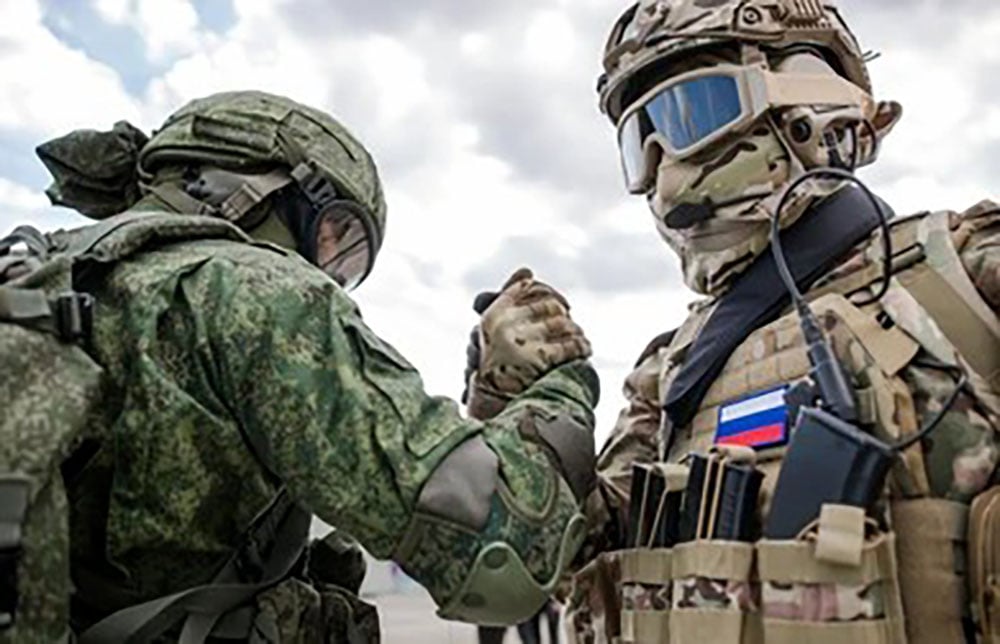
Uganda’s Embassy in Moscow has confirmed that 11 Ugandan nationals recruited into the Russian military have been killed in Ukraine, while 16 others remain missing and presumed dead. The official diplomatic disclosures follow a petition from affected families and parliamentary scrutiny over deceptive overseas recruitment schemes.
The human toll of foreign recruitment networks came to light through a diplomatic exchange between Ugandan and Russian authorities. Ambassador Moses Kizige, Uganda’s Head of Mission in Moscow, communicated the confirmed casualties in an October 17 letter to the Permanent Secretary of the Ministry of Foreign Affairs, Vincent Bagiire. The numbers stem from a formal inquiry launched after families sought help to trace relatives who had lost contact.
The inquiry began after telephone conversations in August with Innocent Kato, who acted as a principal petitioner for grieving families. Kato supplied passport details that the embassy verified with the Directorate of Citizenship and Immigration before submitting an official request to the Russian Ministry of Foreign Affairs on August 19. Russian authorities replied on October 8, providing the grim accounting of the missing and dead.
Identified Casualties and Missing Personnel in Russia
The Russian government confirmed that 11 Ugandans had died in the line of duty within the zone of what Moscow terms its special military operations. The confirmed dead include Ronald Bugiri, John Male, Francis Ngabirano, Innocent Agaba, Levi Kasule, Bigirwa Mugisa, Richard Twine, Junior Moses Mawejje, Pius Byamugisha, David Buyondo, and Godfrey Kamugira. Additionally, the Russian Ministry of Defence had previously confirmed the deaths of three other Ugandans—Baker Mwesigye, Alex Mutesigensi, and Edson Kamwesigye—though their registered bereaved families had not yet contacted the embassy.
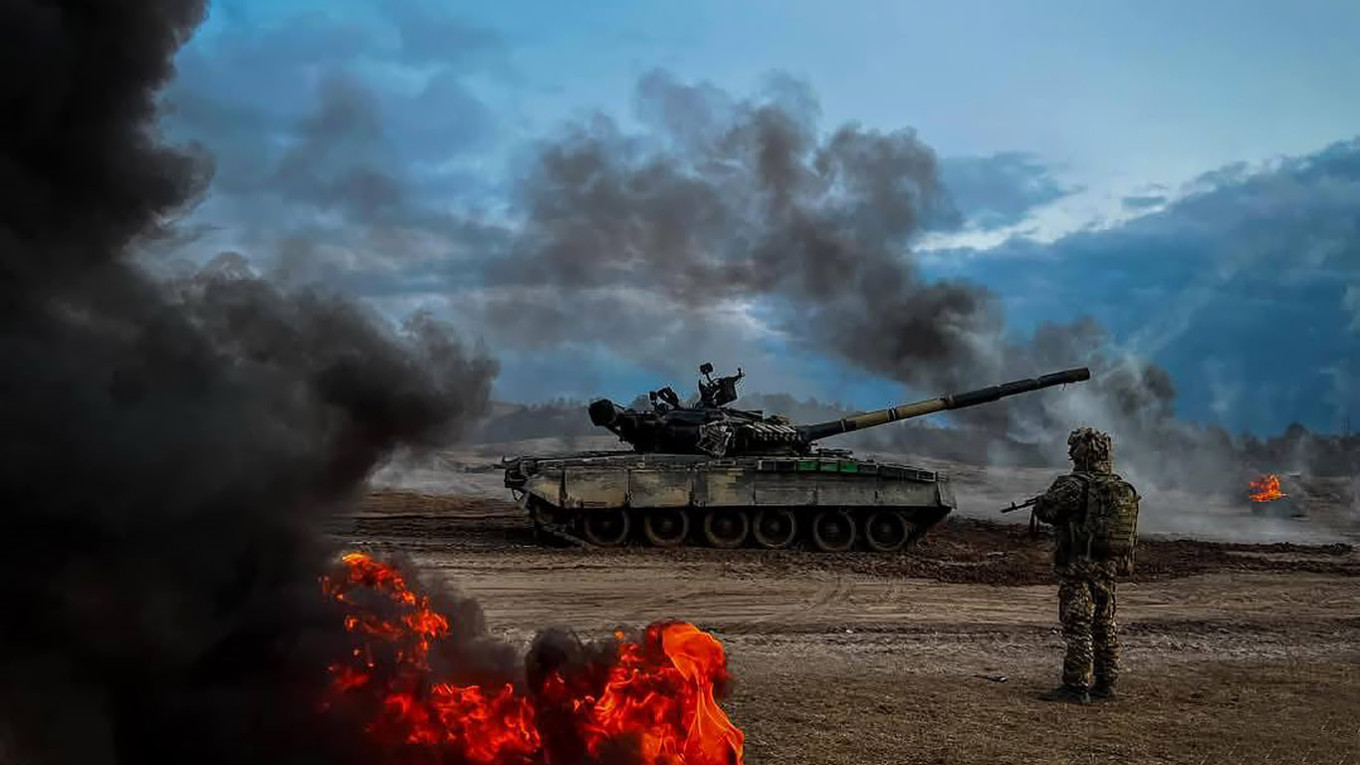
It is important to note that the persons listed in this category are effectively dead, but their bodies could not be located anywhere. They are also not known to be prisoners of war.
A single recruit, Robert Tumwebaze, was dismissed from service after being treated at a military hospital in Nizhni Novgorod, but subsequently disappeared at a railway station while returning to his base without an armed escort.
Parliamentary Scrutiny and Deceptive Recruitment Networks
The diplomatic disclosures arrived amid intense parliamentary scrutiny over how dozens of citizens ended up on foreign battlefields. On October 12, Rukiga County MP Patrick Katabazi Kiconco informed Parliament that 121 Ugandans had reportedly been recruited into the Russian armed forces. Katabazi tabled a list containing 48 unverified deaths, three prisoners of war held in Ukraine, and seven individuals receiving treatment in Russian hospitals.

Families have testified that recruiters targeted unemployed young men, military veterans, and former security personnel with promises of lucrative civilian jobs abroad. Innocent Kato explained that a recruiter identified as Dimitri orchestrated the operation. When Ugandan security forces intercepted an initial group at Entebbe International Airport in August 2025 and briefly detained the recruiter, the network shifted tactics. Recruits were subsequently routed by bus to Juba, South Sudan, then flown to Istanbul, Turkey, before arriving in Moscow.
Upon arrival, the men discovered that civilian jobs did not exist. Instead, they faced coercion to sign employment contracts written entirely in Russian—a language they could not read or understand—before receiving minimal training and immediate deployment to the frontline. Promised monthly salaries of up to $6,000 never materialized, leaving families to struggle with severe financial hardship, school dropouts, and rental evictions.
Broader African Recruitment Patterns and Diplomatic Response
Uganda’s situation reflects a wider pattern of deceptive recruitment targeting vulnerable citizens across the African continent. Ukrainian Foreign Minister Andrii Sybiha stated in November 2025 that at least 1,436 nationals from 36 African countries had been integrated into Russian forces. Similar schemes have ensnared citizens in Kenya, Ghana, South Africa, Nigeria, Egypt, and the Democratic Republic of the Congo. In Kenya, officials recorded over 1,000 nationals funneled into Russian forces, with recruits promised monthly salaries of up to KSh 350,000 (approximately $2,400), signing bonuses reaching $23,000, and Russian citizenship.

Ambassador Kizige urged the Ministry of Foreign Affairs to contact the families of the deceased immediately so they can begin processing benefit claims. However, the ambassador acknowledged institutional limitations regarding repatriation.
The government of Uganda does not have the capacity to repatriate the bodies of Ugandans who lose their lives abroad. That is why we advise Ugandans travelling abroad to go through official channels.
Families seeking information regarding relatives believed to be serving in Russia have been instructed to submit passport details directly to the embassy in Moscow for formal verification and tracing.

Human Rights Watch Criticizes South Korea’s Restrictive Abortion Limits
South Korea plans to introduce medication abortion in 2027 following years of unregulated access since its abortion ban...

Mnangagwa Urges Zimbabwean Students to Return Home
President Mnangagwa urged Zimbabwean students studying in the Russian Federation to return home upon completing their degrees to...
Kenya: UN Board Rejects Plan to Phase Out UNAIDS, Opts for Reforms
The UNAIDS Programme Coordinating Board unanimously rejected a proposal to phase out the Joint United Nations Programme on...
Netanyahu’s Leadership Under Referral in Election
Israelis headed to the polls on October 27, 2026, in a consequential general election serving as a referendum...