Cooler temperatures have arrived in Alabama, prompting tips to help residents protect their homes, communities, animals, and families ahead of the first hard freeze.
While the crisp autumn air offers a welcome break from extended summer heatwaves, sudden drops in temperature routinely catch homeowners off guard.
Protecting vulnerable infrastructure starts outside. Residents should disconnect garden hoses, turn off automated lawn-watering schedules, and cover external spigots. Homeowners with pools should follow manufacturer freeze guidance, and residents should clean out leaves and debris from gutters so they are ready to drain melting snow or ice.
Residents should also inspect their HVAC systems by replacing filters, scheduling regular service check-ins, and setting aside extra money to cover increased heating expenses.
Allowing a faucet on an exterior wall to drip continuously prevents internal pressure from building up in freezing pipes. Homeowners with fireplaces should stockpile dry firewood, matches or a lighter, secure functional ash buckets, and verify that both smoke and carbon monoxide detectors have fresh battery backups, along with checking that an unexpired fire extinguisher is nearby and ensuring gas fireplaces are functioning properly or serviced if malfunctioning.
Residents can also bring potted plants inside a temperature-regulated greenhouse or home, cover non-portable plants with a tarp or blanket, trim tree limbs stretching over roofs or driveways, and purchase a gas generator with a transfer box installed appropriately while keeping spare gas far away from flammable areas like a fireplace and never using a generator in a garage or indoors.
To prepare for potential power outages, residents should gather emergency light sources such as candles, battery-operated lanterns, flashlights, and matches, ensure they have plenty of spare batteries on hand, charge portable power banks now so they are ready when needed, and use space heaters strategically by ensuring they have plenty of space away from flammable sources.
Freezing weather creates severe risks for animals, making proper outdoor shelter a legal and practical necessity.
Domestic animals should be brought indoors during severe cold snaps, even if temporary shelter is limited to a secure garage.
Residents who spot an animal suffering without required food, water, space, and shelter during freezing conditions should reach out to Animal Control immediately. Emergency protocols also outline the safe operation of alternative heating devices, requiring portable generators to remain outdoors and away from flammable materials.
Supervise all open flames. Additionally, residents should check on neighbors who live alone, are elderly, or may have critical health conditions, and if they feel comfortable doing so, offer to share resources or invite them inside the home.
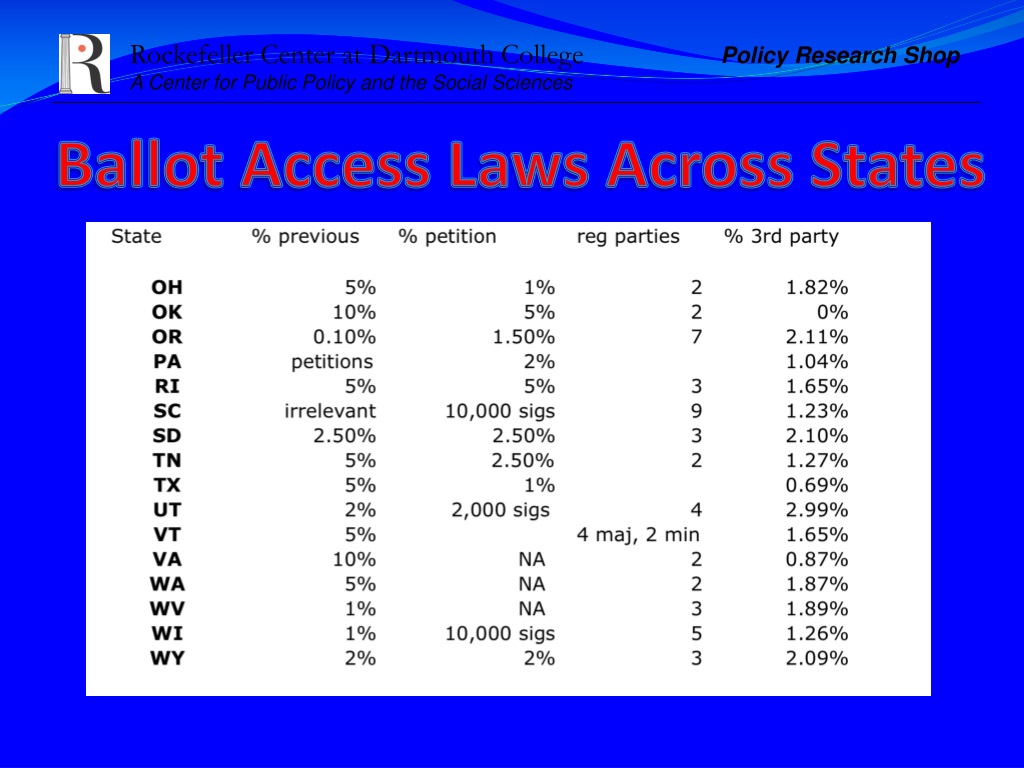
John A. Tures Argues Ballot Access Laws Block Third Parties
In a column published in September, John A. Tures argues that strict state ballot access laws designed by...

Winter Storm Watch Issued for Anchorage and Kenai Peninsula
Holding just 0.9 inches of snow for the season so far, Anchorage faces its first major winter storm...

How Hot CPI Data and Fed Policy Are Shifting Rates, Bonds, and Global Markets
Higher-than-expected inflation data for October 2026 forced a sharp reassessment of Federal Reserve policy as bond yields surged...

Wyoming VFW Commander’s Felony Theft Case Dismissed After Helmet Arrest
An Air Force veteran returning from the Netherlands was arrested at Washington Dulles International Airport on July 23,...