
Higher-than-expected inflation data for October 2026 forced a sharp reassessment of Federal Reserve policy as bond yields surged and traders braced for renewed monetary tightening.
The consumer price index increased 0.4% for the month on a seasonally adjusted basis, the Bureau of Labor Statistics reported on Tuesday. That reading exceeded the 0.3% rise economists had projected.
The Bottom Line:
- The consumer price index climbed 0.4% in October, exceeding expectations.
- The two-year Treasury yield surged 17 basis points in its biggest single-day jump since April 2025.
- Traders are now pricing in a quarter-percentage-point rate hike at the December policy meeting, with rising odds for further tightening.
Federal Reserve Governor Christopher Waller signaled in London ahead of the data release that a hot inflation report could prompt him to advocate for a half-point increase in December, stating that such a move should be on the table if core CPI came in around 0.3%. Hours later, that is exactly what happened.

“Hiking only 25 basis points would put our credibility at risk, a risk I am not eager to take.”
Treasury yields climbed steeply in response. The two-year Treasury yield, which tracks near-term policy expectations, surged 17 basis points on Tuesday, its biggest single-day jump since April 2025 when President Donald Trump’s unveiling of tariffs rocked financial markets. The key 10-year Treasury yield jumped 10 basis points to 4.98% and briefly pierced the 5% threshold during trading.
Wall Street firms adjusted their forecasts following the report. Daniel Siluk, a portfolio manager at Janus Henderson, said that the data cements the case for a December rate hike given persistent inflation. Jeff Schulze, head investment strategist at the Franklin Templeton Institute, added that Waller’s hawkish remarks make it clear that a December rate hike is a done deal and will act as a headwind for risk assets.

Rising energy costs driven by global geopolitical conflicts have fueled price pressures across transportation and retail goods, keeping inflation elevated above the central bank’s target. Meanwhile, equity indexes drifted lower following the inflation report, with the S&P 500 falling 0.4% and the Nasdaq dropping 0.74%.
Disclaimer: The information provided in this article is for educational and market analysis purposes only and does not constitute financial, investment, or legal advice. Always consult with a certified financial professional before making investment decisions.
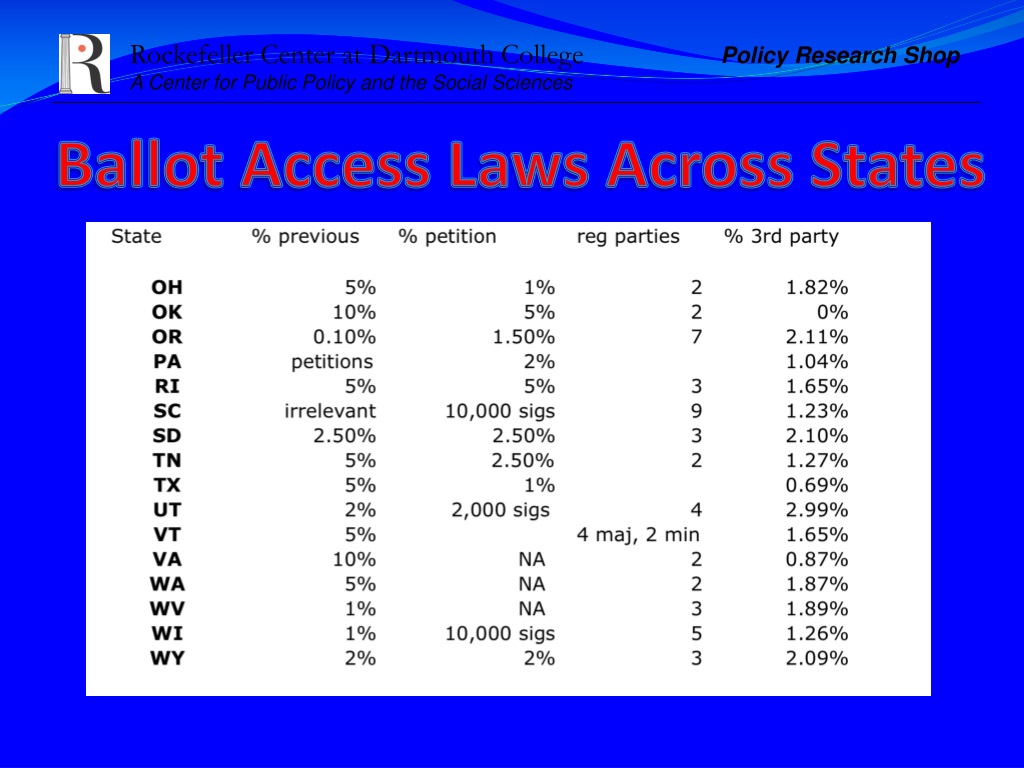
John A. Tures Argues Ballot Access Laws Block Third Parties
In a column published in September, John A. Tures argues that strict state ballot access laws designed by...

Winter Storm Watch Issued for Anchorage and Kenai Peninsula
Holding just 0.9 inches of snow for the season so far, Anchorage faces its first major winter storm...
Winter Preparedness Guide: How to Protect Your Home, Family, and Pets
Cooler temperatures have arrived in Alabama, prompting tips to help residents protect their homes, communities, animals, and families...

Wyoming VFW Commander’s Felony Theft Case Dismissed After Helmet Arrest
An Air Force veteran returning from the Netherlands was arrested at Washington Dulles International Airport on July 23,...