
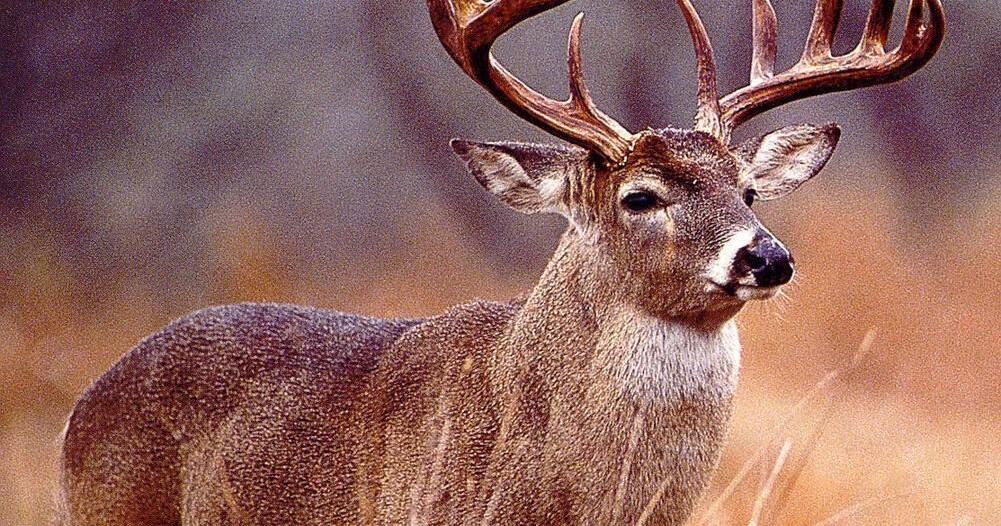
Wisconsin’s nine-day gun deer season opens Saturday, bringing roughly 550,000 hunters into the woods after a 2025 season that produced the state’s largest buck harvest since 2007.
Hunters registered 182,084 deer during last year’s nine-day hunt alone — 86,068 antlered and 96,016 antlerless — pushing the overall harvest to its highest mark since 2012, Wausau Pilot & Review reported, citing DNR acting deer program specialist Ryan Haffele. Marathon County, the state’s largest by area, regularly ranks at or near the top of Wisconsin’s harvest totals.
“The highest statewide buck harvest since 2007,”
The season runs Nov. 21 through Nov. 29. Muzzleloader season follows Nov. 30 through Dec. 9, and a statewide antlerless-only hunt runs Dec. 10 through Dec. 13. Archery and crossbow seasons continue through Jan. 3.
License sales and herd outlook
Through Oct. 31, year-to-date sales for gun, bow, crossbow, sports and patron licenses reached 458,115, according to the Wisconsin DNR. Of that total, 132,494 are for gun privileges only. For the third year in a row, much of the state experienced a mild winter, setting the stage for higher herd survival and reproductive rates, the DNR said in its season forecast.
Derek Johnson, DNR wildlife biologist, previewed the coming season. “Northern Wisconsin draws deer hunters to its depths like a magnet. The scale of the forests, wetlands and grasslands provides an escape from civilization and a step back into time,” Johnson said.
He noted early reports pointing to high fawn-to-doe ratios in much of the north, though early ice storms and snowfall in the snow belt of northern Ashland, Iron and Vilas counties created tough conditions that will have a delayed positive impact as downed food and cover become available.
DMU changes hunters need to know
Last year, updates were made to some Deer Management Units. DMUs in the Northern and Central Forest Management Zones have been converted to habitat-based units, as opposed to county-based units, the DNR confirmed.
There were also boundary updates between the Central Farmland and Northern Forest Zones. Forest Zone DMUs are now referred to by a number, and hunters will need to know their DMU name or number when requesting antlerless permits.
Registration required by 5 p.m. next day
All harvested deer must be registered electronically by 5 p.m. the day after the deer is recovered. Hunters will need the unique harvest authorization number associated with each permit. The four options to register a deer are: online via Go Wild, online via GameReg, by phone at 844-426-3734, or in person at a deer registration location.
The DNR confirmed Marathon County’s sixth and seventh CWD-positive wild deer during the 2025 seasons, according to a March summary. Testing through the DNR is free. Hunters can drop off a deer head with about 5 inches of neck attached at a 24-hour self-service kiosk, use a cooperating processor or taxidermist, or extract the lymph nodes at home with a kit.
Results typically come back within two weeks, and hunters whose deer tests positive receive a replacement harvest authorization. State and federal health agencies recommend against eating meat from a deer that tests positive. No human cases of CWD have been reported.
Baiting and feeding deer is banned in Marathon County because of CWD detections. The DNR’s baiting and feeding page lists current rules for every county.
Fewer dumpsters available for carcass disposal
A budget deficit means fewer deer carcass dumpsters statewide this season, the DNR said. The agency suggests checking whether a municipal curbside pickup, landfill or transfer station accepts carcass waste, or returning the remains to the property where the deer was taken and burying them if possible. Dumping carcass waste on public land is illegal.
Blaze orange or fluorescent pink is required on at least half of outer clothing above the waist for anyone hunting during a firearm deer season, except waterfowl hunters. A hat or other head covering, if worn, must also be at least half blaze orange or pink. The DNR recommends solid colors over camouflage blaze.
The DNR’s four basic firearm safety rules — TAB-K — remain: Treat every firearm as loaded, Always point the muzzle in a safe direction, Be certain of your target and what lies beyond, and Keep your finger outside the trigger guard until ready to shoot. Hunters who use tree stands should wear a full-body harness and stay clipped in from the time they leave the ground.
Drivers should stay alert as well. The opener falls in November, the worst month of the year for deer crashes in Wisconsin, and opening weekend sends hunters to camps across central and northern Wisconsin in the dark before dawn.
Marathon County, the state’s largest by land area at 1,545 square miles, was founded in 1850 from a portion of Portage County and originally stretched to Michigan’s Upper Peninsula. Its name comes from the battlefield at Marathon, Greece. The county seat is Wausau, and the 2020 census recorded a population of 138,013. A geographical marker in the county identifies the exact center of the northern half of the Western Hemisphere at 45°N, 90°W.
Hunters who fill a tag can share the photo and the story behind the hunt on the Pilot’s Hunting Brag Board. The board accepts entries through 11:59 p.m. Dec. 13 for awards in six categories, a Readers’ Choice vote and a prize drawing open to every eligible entry.
Keep reading

Tallahassee, Doral Reconsider ICE Deals as GOP Lawmakers Link Enforcement to Losses
After November midterms where two South Florida Republican incumbents barely survived districts they once dominated, city leaders in...

Senate Passes Bipartisan American Affordability and Jobs Act, Sending Permitting Overhaul to House
The Senate passed the Bipartisan American Affordability and Jobs Act on Thursday in a 62‑33 vote, sending the...

Avalanche Host Ducks in Back-to-Back After Utah Loss
The Colorado Avalanche return to Ball Arena on Thursday night to face the Anaheim Ducks at 7 p.m....
NYISO Warns of Statewide Power Shortfalls by 2033; Hochul Releases Nuclear Study
ALBANY — New York's electric grid operator warned Wednesday that unless substantially more energy development occurs, the state...