
A technology company in Minnesota can now be fined up to $500,000 per image if a single user slips past its safeguards and uses its AI to create a deepfake nude of a real person — even if the company tried to stop it, even if the person in the image asked for it, and even if the result is satire, Lawfare reported. That is the law Elon Musk’s xAI is now fighting in federal court, and the battle could set the first real constitutional boundaries on how far governments can go in regulating artificial intelligence.
The dispute began last spring, when Minnesota’s legislature passed HF 1606, the “Prohibition on Nudification Technology,” in a nearly unanimous vote. The statute lets the state attorney general seek civil penalties from any company whose website, app, or software lets a user “nudify” an image or video — defined broadly as altering or generating media so it depicts an intimate part of an identifiable person in a way realistic enough that a reasonable person would believe it is real. What makes this law different from the nonconsensual intimate imagery statutes many states already have is where the liability lands: on the company, not the individual who created or shared the image.
Strict Liability, No Intent Required
Under the Minnesota law, an AI company is strictly liable the moment a customer uses its tool to produce a prohibited image. The company faces the fine even if it has anti-deepfake policies and enforcement technology in place, and even if one user circumvents those safeguards. The law also lacks the two elements the Minnesota Supreme Court relied on in 2020 when it upheld the state’s earlier law against individual distributors: intent and lack of consent. Here, an AI company could be fined even when the subject of the image is the very person who generated it.
The statute also has no explicit exception for satire, and its definition of “intimate parts” runs wide — the genital area, groin, inner thigh, buttocks, or breast. That breadth means a company could face half a million dollars in liability over an image of someone in a bathing suit that depicts an inner thigh.
Minnesota’s AI “nudification” law temporarily blocked by US appeals court in xAI lawsuit
Company Challenges Minnesota Law
In late July, days before the law was set to take effect, Musk’s xAI — now renamed SpaceXAI — sued Minnesota and asked for an injunction blocking the law. The company said it already prohibits users from generating nonconsensual deepfake nudes and does not contest the state’s interest in banning them.
“xAI accordingly does not contest Minnesota’s interest in prohibiting the dissemination of artificially generated nude images of real people without their consent… But the statute Minnesota enacted extends far beyond that goal, exposing a wide array of protected speech to civil liability and government sanctions.”
The company warned that the steep fines and missing constitutional safeguards would chill protected speech, forcing it to impose sweeping limits on Grok. Minnesota pushed back in its court filings, arguing that an adult who wants a nude photo of herself can simply take one, so the law only bars using “harmful technology” to reach the same result. The state also dismissed the intent concern, writing that xAI “knows how to identify and quantify illegal uses of Grok Imagine, yet it has failed to stop the flood of digital sexual victimization that its technology makes possible.”
On Sept. 4, U.S. District Judge Donovan Frank denied the preliminary injunction, focusing on the fact that xAI waited nearly three months after the law was signed to sue. Rather than wait for Frank to weigh the First Amendment questions later, xAI appealed directly to the Eighth Circuit, telling the court it had already restricted Grok’s image-editing tool in Minnesota — meaning users there “cannot create First Amendment-protected speech using SpaceXAI’s industry-leading platform.”
The Eighth Circuit Blocks the Law — For Now
The constitutional arguments drew support from beyond Musk’s companies: the Foundation for Individual Rights and Expression, the First Amendment Lawyers Association, and the Woodhull Freedom Foundation filed an amicus brief backing SpaceXAI.
“In pursuing its asserted objective without sufficient precision, HF 1606 regulates far too broadly, to the detriment of protected online speech.”
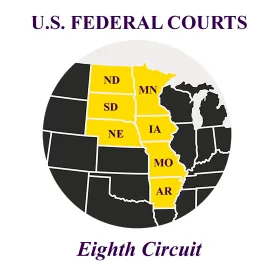
On Oct. 2, the Eighth Circuit granted an injunction in a one-sentence order, temporarily barring enforcement of the law against SpaceXAI while it fully considers the appeal. The early ruling signals the appellate court takes the First Amendment concerns seriously, even though no one can predict the final outcome.
Why This Case Reaches Far Beyond Nudification
The Eighth Circuit’s eventual opinion will land in an area with almost no precedential First Amendment law: AI-generated speech. The court will likely have to decide what state of mind — intent, recklessness, knowledge — an AI company must have before it can be liable for its users’ conduct. Courts have long required some culpable mental state when laws target speakers or speech intermediaries, and the more rigorous the requirement, the more likely the law survives constitutional review. What standard applies to AI remains an open question.
xAI challenged Minnesota HF 1606, a ban on AI tools that alter real photos of identifiable people (any age) to depict intimate parts not in the original. Penalties reach $500k per violation for platforms. xAI called it an overbroad First Amendment restriction covering non-sexual…
Minnesota argues the law targets technology, not speech, comparing it to regulating chemical precursors for drugs or anthrax-laced pamphlets. But AI raises speech issues those analogies don’t capture: even a narrow regulation aimed at deepfake nudes can chill a wide range of protected expression created with the same tools. Whatever the Eighth Circuit decides about chilling effects on AI-generated speech will shape how every state can regulate AI companies going forward — a precedent that will outlast this single statute and this single company.
As the case moves forward, the practical stakes are already visible: Grok’s image editing remains restricted for Minnesota users, and the state’s attorney general cannot yet collect a dollar under a law the legislature passed nearly unanimously.

New Hampshire Voters Adopt School Tax Caps in 16 Districts Including Merrimack Valley
Sixteen school districts in Merrimack County voted Tuesday to cap their own tax bills, but Concord refused—falling just...

World Atlas: 2,515 US Counties Lack Public Transit Altogether
Across the United States, about 2,515 counties lack traditional public transit, according to World Atlas, leaving millions of...
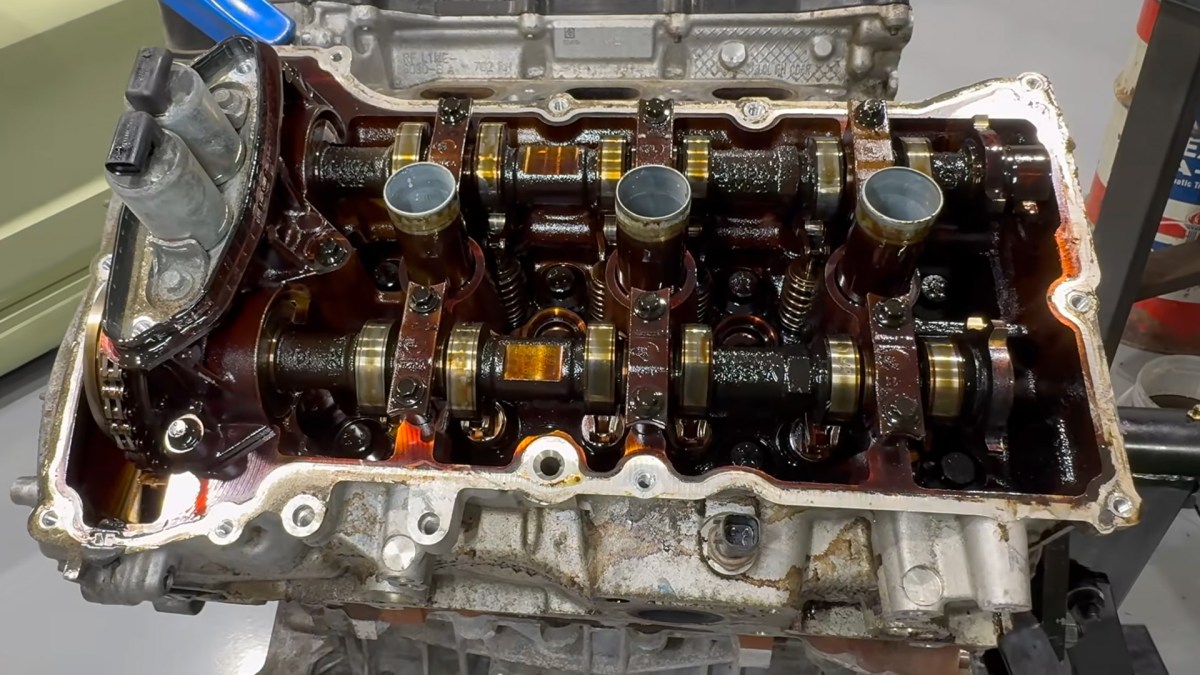
Lincoln Aviator Engine Sludge After Two Oil Changes in 70,000 Miles
Lincoln Owner Changed Oil Twice in 70,000 Miles; Engine Teardown Reveals 'Sludge City' A 2021 Lincoln Aviator equipped...

Jill Bednar Decorates Her Renovated Home With Timeless Christmas Traditions
Jill Bednar decorates roughly seven Christmas trees every year, and not one of them looks like the others....