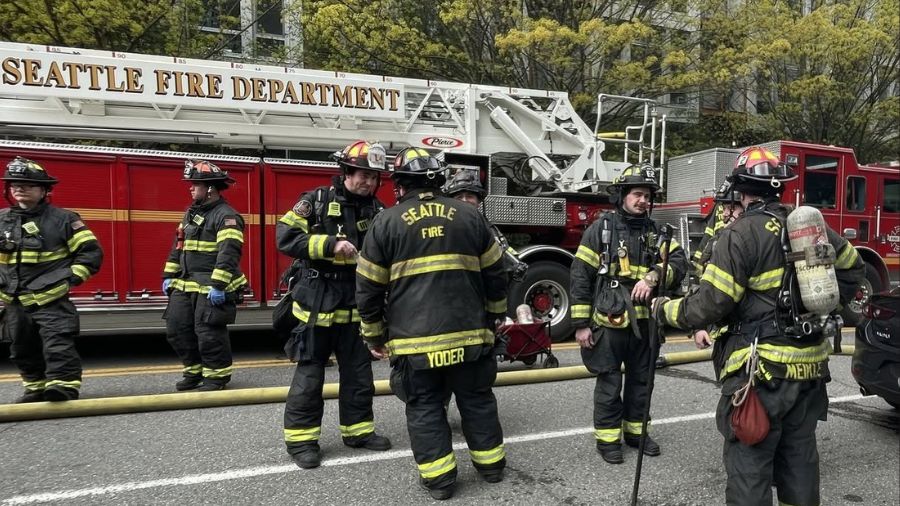
Seattle City Councilmember Maritza Rivera is fighting to restore $7 million in annual overtime funding for the Seattle Fire Department (SFD) that Mayor Katie Wilson stripped from her proposed 2027-28 budget. The move, detailed in a formal budget proposal, aims to prevent a decline in emergency response times and the potential scaling back of critical crisis services.
This isn’t just a line-item dispute; it’s a clash over the very architecture of how Seattle staffs its first responders. For more than a decade, the city operated under a specific collective bargaining model: hiring fewer full-time firefighters and filling the gaps with overtime. This strategy was designed to save the city money by reducing the long-term cost of benefits. By cutting the overtime now, the city is essentially pulling the rug out from under a staffing model that was built on the promise of those extra hours.
The Stakes of the $7 Million Gap
The tension surrounding this cut is palpable. Kenny Stuart, a spokesperson for the SFD union, didn’t mince words when the budget first surfaced in September, calling the mayor’s decision “dangerous.” He warned that the math is simple: fewer funded hours lead to longer wait times for people calling 911 during their worst moments.
The impact extends beyond traditional firefighting. The SFD manages specialized units like Health One, which handles behavioral health crises, and Health 99, which responds specifically to overdoses. These aren’t just “extra” services; they are the front line of Seattle’s public health response. Rivera argues that without this funding, the department may be forced to consider reduced staffing or planned service outages.
“When our residents have an emergency and call 911, they need that help as soon as possible,” Rivera said. “We cannot afford to create any delay.”
The risk is that a 2% reduction in the total budget—which is how the mayor’s office frames the cut—translates into a 100% loss of coverage for a specific shift or a delayed response to a medical emergency in a high-traffic neighborhood.
The Mayor’s Defense of ‘Fiscal Discipline’
Mayor Katie Wilson isn’t seeing this as a gamble with public safety, but as a necessary correction. Her office is grappling with an inherited structural deficit of $175 million. From the mayor’s perspective, the budget must be balanced to protect a broad array of essential services, including expanded food access and homeless shelters.
The administration argues that the SFD can absorb this cut through “advance staff planning.” In other words, the mayor believes the department can manage vacancies and sick leave more efficiently without relying so heavily on the overtime safety net. A spokesperson for the mayor noted that while the current budget requires discipline, Wilson would be open to restoring the funding if future revenues improve.
This creates a fundamental disagreement between the executive and legislative branches. On one side, the mayor claims the department can adapt; on the other, Fire Chief Harold Scoggins has reportedly warned during budget briefings that the department simply cannot meet the city’s requirements without the money.
City Council Members Oppose Overtime Cuts
The proposal has found strong allies in the City Council. Councilmembers Bob Kettle and Rob Saka have co-sponsored the amendment, with Kettle describing the situation as “dire” during a Wednesday budget hearing. He emphasized that in emergency response, every second counts, and the current overtime reliance is a systemic issue that needs a long-term solution, but cannot be solved by a sudden cut.
Councilmember Deborah Juarez echoed this sentiment, pointing out the contradiction in the mayor’s logic. If the city intentionally under-hired to save on benefits, cutting the overtime now breaks the only mechanism the department has to maintain safe staffing levels.
The battle now moves to the public and the Select Budget Committee. The city has scheduled a public hearing for Nov. 5, where residents can voice their concerns before the council votes on the final 2027-28 budget. Whether the council chooses to override the mayor’s fiscal discipline in favor of the union’s safety warnings will determine how Seattle’s 911 calls are answered for the next two years.
The core of the conflict remains: is this a 2% efficiency gain, or is it a calculated risk with the city’s response times?
Worth a look
- Baltimore City Worker Killed in Crossfire: Layla Bailey Remembered
- Maine Senate Race: Collins and Jackson Clash Over Energy Costs
- SEC Filings Detail Proposed AI Valuation and NHL Performance ETFs (world-today-news.com)
- SEC Filings Reveal Proposed ETFs Linked to OpenAI and NHL Team Performance (archyde.com)

Baltimore City Worker Killed in Crossfire: Layla Bailey Remembered
Forty-six rounds of ammunition were fired into a crowd at a West Baltimore gas station on the night...

Maine Senate Race: Collins and Jackson Clash Over Energy Costs
Maine’s Senate race between incumbent Republican Susan Collins and Democrat Troy Jackson has centered on a clash over...

Louisiana Amendment 4: Lifetime Term Limits for Governors
Louisiana voters will decide on November 3, 2026, whether to establish a lifetime limit on the number of...

City of Frankfort Approves Update to 35-Year-Old 911 Agreement
The City of Frankfort and Franklin County are moving to overhaul a 911 services agreement that hasn't been...