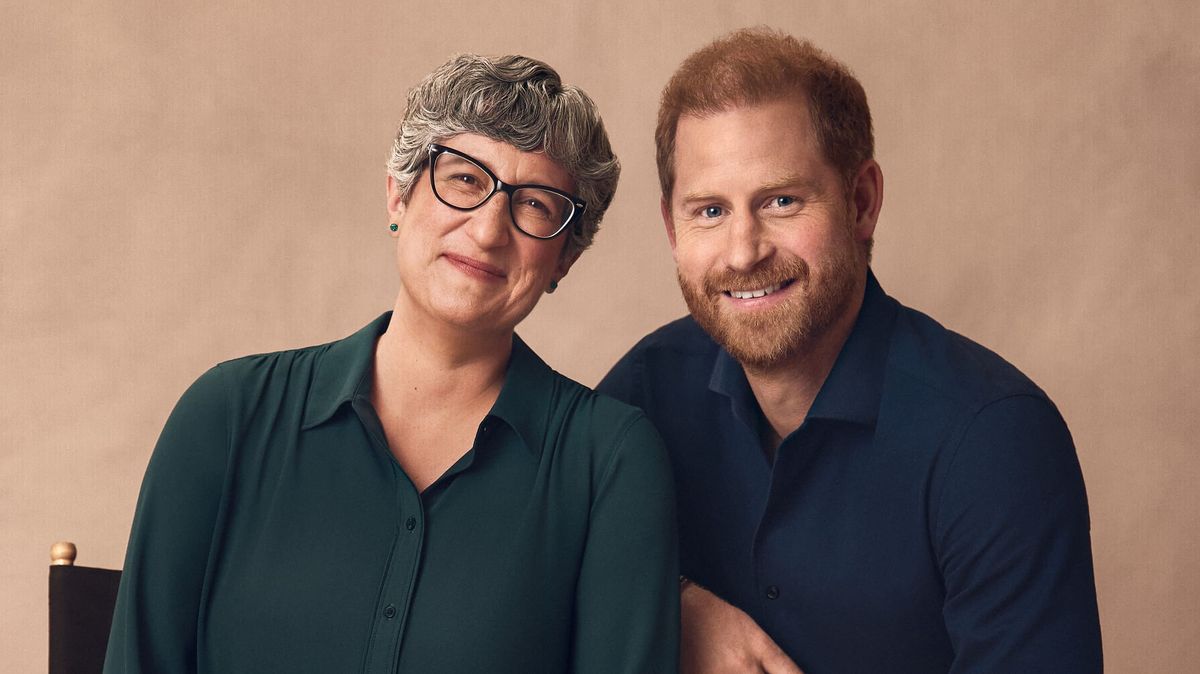
Prince Harry has partnered with the Richmond-based nonprofit Comfort Zone Camp as part of a new MasterClass series designed to help children and young adults navigate the complexities of grief. The collaboration connects the British royal’s personal history of loss with a grassroots organization that provides free specialized camps for grieving youth across 12 U.S. states.
The partnership began with an email that Jamie Hughes, marketing manager at Comfort Zone Camp, initially feared was a scam. The message from San Francisco-based MasterClass was vague, but a subsequent exploratory phone call revealed that the platform was producing a video series titled “Redefining Grief: Building Resilience Through Loss.” Prince Harry, who lost his mother, Princess Diana, in a 1997 car crash when he was 12, specifically sought out two nonprofits to support alongside the course: Comfort Zone in the U.S. and Scotty’s Little Soldiers in the U.K.
The science of a brain that won’t let go
The MasterClass, which runs one hour and 39 minutes across 20 lessons, blends royal memoir with clinical psychology. Harry describes a childhood spent in emotional numbness, admitting he felt he had to remain sad to prove he missed his mother. He now describes himself as a “student of grief.”
To provide a framework for these emotions, the course is co-led by Arizona-based neuroscientist and psychologist Mary-Frances O’Connor. She explains the biological friction of loss, noting that the brain does not immediately register a loved one as gone, but rather as lost, and will continue searching for them until the mind is taught otherwise.
Prince Harry partners with grief neuroscientist Dr. Mary-Frances O'Connor on the MasterClass "Redefining Grief: Building Resilience Through Loss," using personal experience and research to explore how grief impacts the mind and body and how to turn pain into purpose.MasterClass… pic.twitter.com/hIYeJFwwqz
“Your brain doesn’t register your loved one as gone,” O’Connor says during the session. “It registers them as lost. And it will keep searching until you teach it otherwise.”
From a People magazine cover to Richmond camps
The connection between Prince Harry and Comfort Zone Camp founder Lynne Hughes is more than just a professional partnership; it is a full-circle historical coincidence. In 2001, Comfort Zone was featured in a three-page spread in People magazine. On the cover of that same issue, a young Prince Harry and his brother William were featured in a story titled “Boys To Men.” While the magazine focused on their sports and adventures, it made no mention of the grief the boys were feeling.
Lynne Hughes founded Comfort Zone Camp in 1998 after experiencing the loss of both her mother at age nine and her father at age 12. She recalls a time when the gold standard for a grieving child was simply acting like the loss never happened. That philosophy shifted in 2001 when Hughes expanded her camps to New York and New Jersey to support children affected by the Sept. 11 terrorist attacks, a move that scaled the organization to its current reach of an estimated 27,000 children.
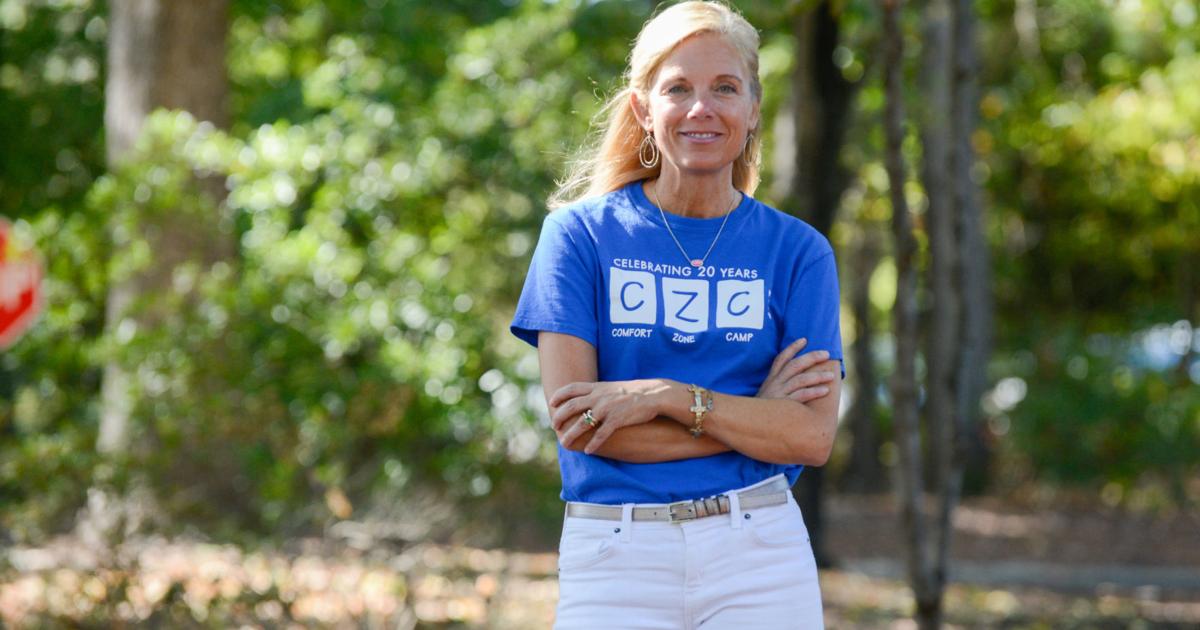
The organization operates as a “bubble” for youth, banning cell phones and televisions during its weekend camps to eliminate outside distractions. This environment allows for a contagious form of vulnerability. Hughes describes a recent camp in Michigan where a 16-year-old Division I baseball recruit, whose father had died by suicide, initially hesitated to speak. Only after other children shared their “ugly” stories did he feel safe enough to open up, noting that no one had ever asked him to share his story before.
Expanding the digital reach of resilience
While the physical camps remain the core of the mission, the MasterClass partnership represents a strategic pivot toward digital accessibility. Comfort Zone is currently aiming to double its size, utilizing TikTok and social media to reach grieving youth who may not have access to a physical camp. Recent TikTok posts featuring Richmond teenagers highlight a common theme: the feeling of being overlooked by adults who cry for their own loss but forget to ask the children how they feel.
For the children in Greater Richmond—where seven camps were held this year alone—the partnership provides a powerful validation. The realization that a member of one of the world’s most famous families struggled with the same “emotional numbness” can be the catalyst that allows a teenager to finally speak their truth.
“When someone puts their ugly out there,” Hughes says, “it makes it OK for the next person to put their ugly out there.”
Keep reading

Maine Senate Race: Collins and Jackson Clash Over Energy Costs
Maine’s Senate race between incumbent Republican Susan Collins and Democrat Troy Jackson has centered on a clash over...

Louisiana Amendment 4: Lifetime Term Limits for Governors
Louisiana voters will decide on November 3, 2026, whether to establish a lifetime limit on the number of...

City of Frankfort Approves Update to 35-Year-Old 911 Agreement
The City of Frankfort and Franklin County are moving to overhaul a 911 services agreement that hasn't been...
Wichita State to Host Safety Talk After Two Reported Sexual Assaults
Two unrelated sexual assaults reported at Wichita State University within a two-week span have prompted the administration to...