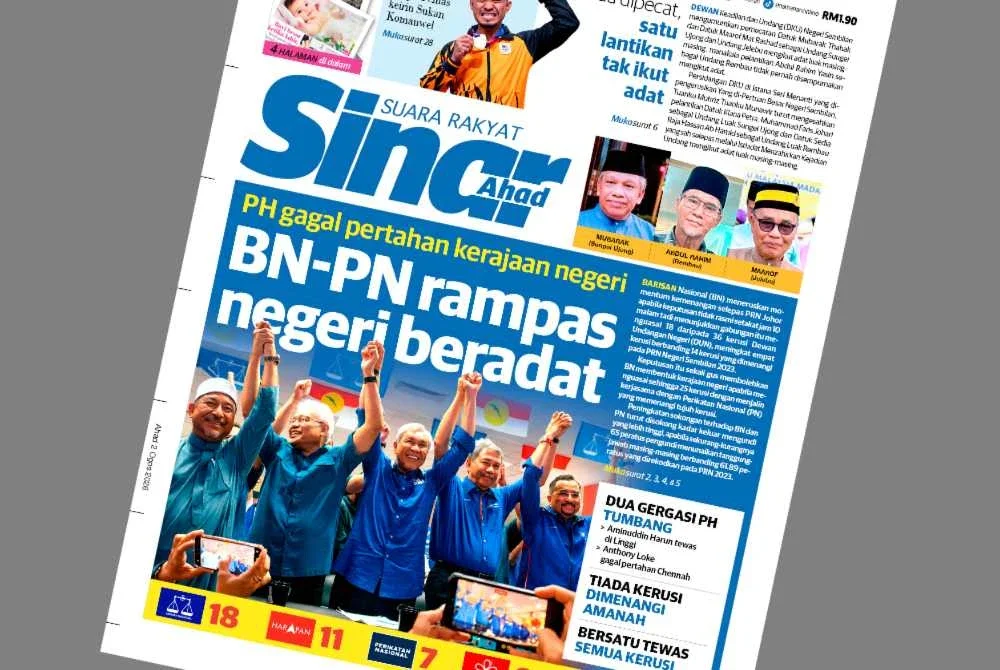
Prime Minister Anwar Ibrahim’s Pakatan Harapan (PH) coalition is facing immense pressure to overhaul its campaign strategy following a major electoral defeat in Negeri Sembilan on August 1, where the coalition lost power after two terms in office, according to Straitstimes. The ruling coalition’s setback in Negeri Sembilan followed earlier defeats, including a near-total defeat in Sabah in November and the surrender of 48 out of 56 state seats in Johor to Barisan Nasional (BN) in July.
Pakatan Harapan Faces Urgent Campaign Overhaul After Negeri Sembilan Defeat
The Negeri Sembilan state assembly election results showed that the combined forces of Barisan Nasional and Perikatan Nasional (PN) secured 25 out of 36 seats, surpassing the two-thirds supermajority threshold of 24 seats, as reported by Sinarharian. The outcome allowed veteran UMNO assemblyman Ismail Lasim, who has served since 1999, to be sworn in as Negeri Sembilan chief minister on August 2, as detailed by Straitstimes.
High-Profile Casualties and Shift in Voter Sentiment
The state polls resulted in the shock defeats of several high-profile PH figures in Negeri Sembilan. Transport Minister Anthony Loke lost his state seat of Chennah to BN candidate Siow Kong Choon, while former Negeri Sembilan Chief Minister Datuk Seri Aminuddin Harun was defeated in Linggi, according to reports from Straitstimes and Sinarharian. Following his defeat, Anthony Loke apologized and left his leadership of the Democratic Action Party (DAP) in the hands of its central executive committee, which met on August 3.
Analysts noted that these defeats highlight a broader shift away from individual political influence toward deeper grassroots sentiment. DAP Selangor assistant treasurer Rajiv Rishyakaran conceded that PH is losing the battle of narratives against opponents whose platform centres heavily on Malay unity, noting that PH currently offers voters no compelling reason to choose them beyond merely existing in office.
Differing Internal Responses Within Coalition Parties
Internal reactions to the electoral defeat varied among PH component parties. While DAP leaders expressed contrition, PKR Vice-President and Selangor Chief Minister Amirudin Shari attributed the coalition’s losses to extraordinary racial campaigning and identity politics that dominated Malay-majority areas, while praising the outgoing government’s performance under Aminuddin Harun.
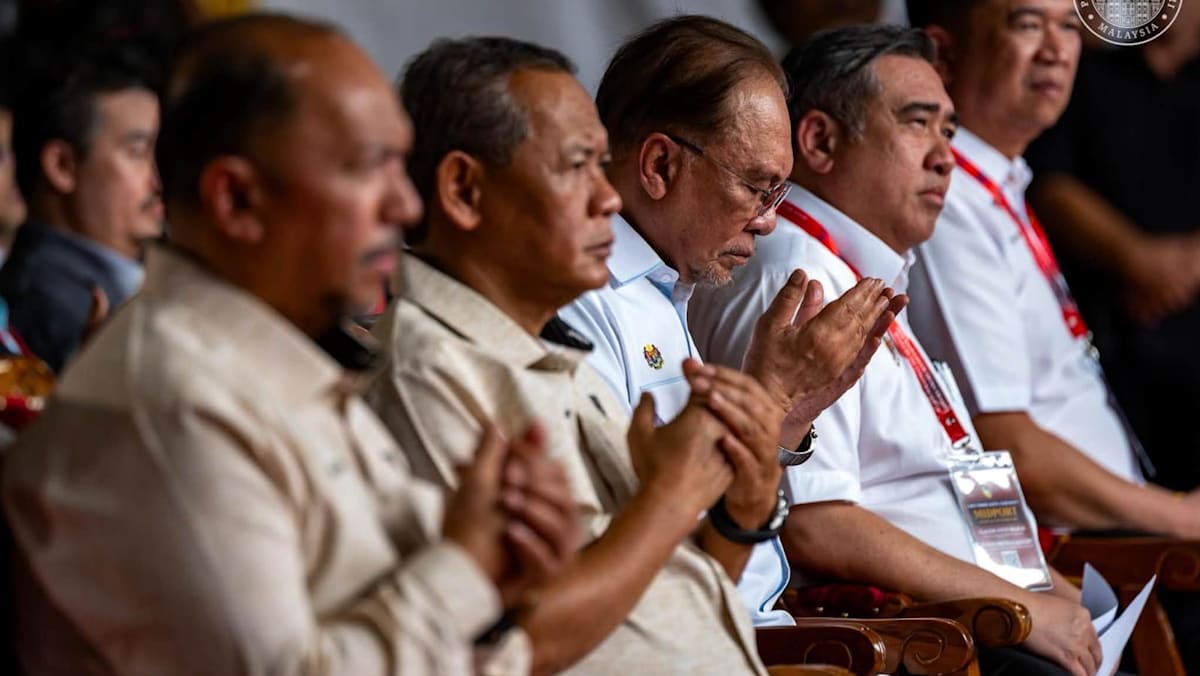
Meanwhile, political analysts have urged the coalition to reevaluate its approach. Experts previously emphasized that PH needed to localize state contests around local records, candidate quality, and bread-and-butter issues—such as the cost of living, housing affordability, wages, and local infrastructure—rather than relying solely on federal personalities and national narratives.
Implications for the National Political Landscape
The outcome in Negeri Sembilan, alongside the prior results in Johor, serves as a crucial reference point for all political parties as they look ahead to the 16th general election (PRU16), which must be held within 18 months. Observers note that if the coordinated voting transferability between BN and PAS-led PN continues to replicate itself across other states, it has the potential to fundamentally reshape Malaysia’s political landscape.

Worth a look

Supreme Court Questions ECI Over Shiv Sena Symbol Allotment
During the ongoing Supreme Court hearings on the Shiv Sena leadership dispute, a bench led by Chief Justice...

UK Government to Install Cot Cameras in Neonatal Units Following Inquiry
Following a damning inquiry into the Countess of Chester Hospital, the UK government has announced plans to install...

Indonesian Wildfires Threaten Orangutan Research Station in Borneo
Intentionally set land-clearing fires driven by an extreme El Niño are sweeping through Indonesia's Gunung Palung National Park,...

Imran Khan’s Sons Accuse Army Chief Asim Munir of Vendetta Against Father
Imran Khan’s sons have accused Pakistan army chief Asim Munir of a personal vendetta and expressed fears that...