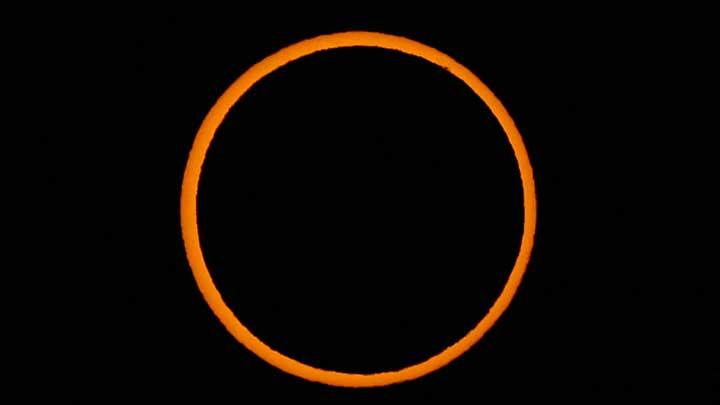
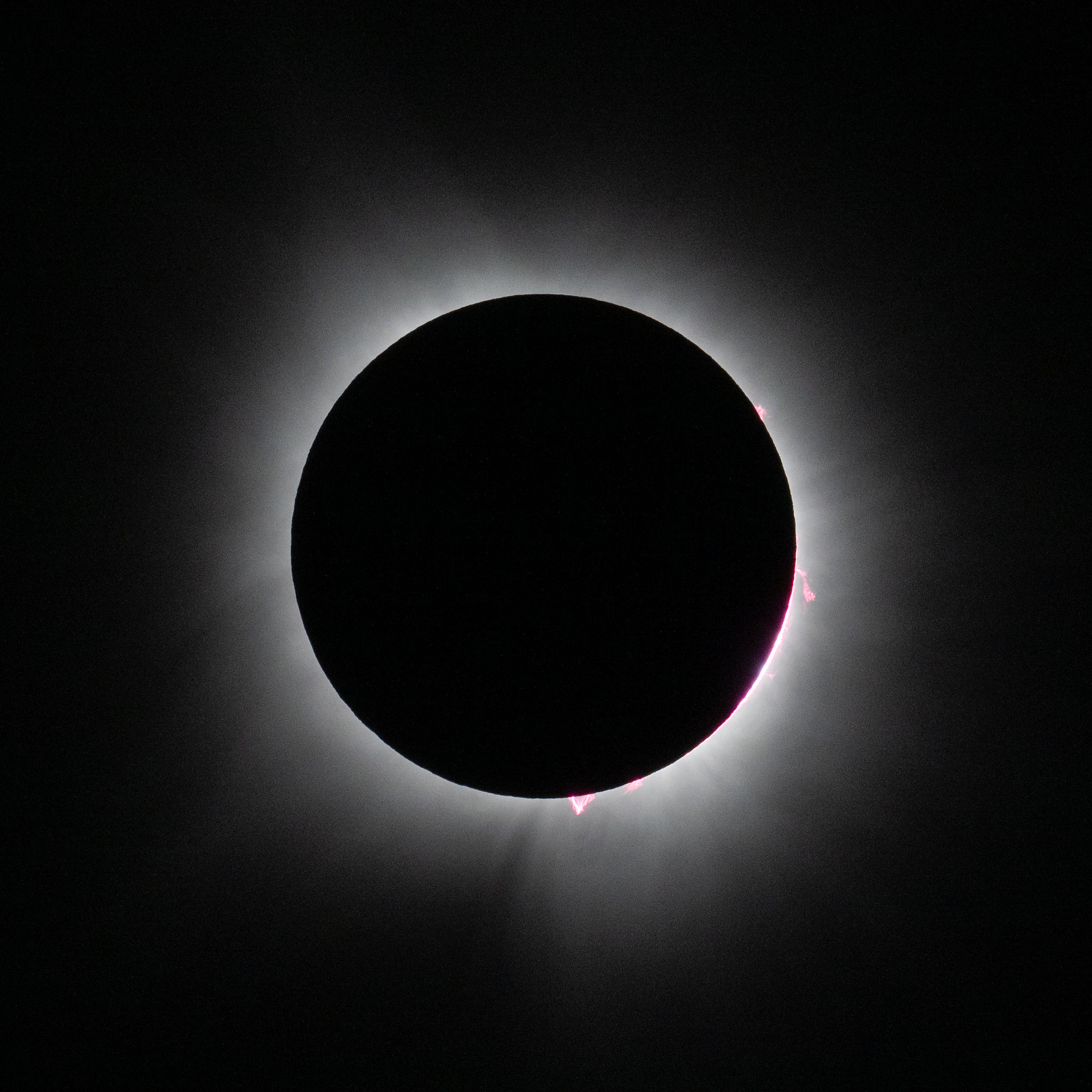
On Wednesday, August 12, 2026, a total solar eclipse will sweep across parts of Greenland, Iceland, northern Russia, the Atlantic Ocean, Spain, and a small corner of Portugal, according to NASA. Observers located within this narrow path of totality will experience a temporary darkening of the skies as the Moon completely obscures the Sun, briefly turning daylight into twilight and revealing the solar corona as reported by Tempo.
Path of Totality and Global Viewing Experience
The path begins in Greenland over glaciers and icy fjords before racing southeast across Iceland—including regions near Reykjavik and the Reykjanes Peninsula—and continuing on to northern Spain noted by The Tech Advocate. Viewers across a wider region of the Northern Hemisphere, including much of Europe, northwestern Africa, most of Canada, and parts of the United States from Alaska to North Carolina, will witness a partial solar eclipse according to NASA’s briefing.
United Kingdom Partial Eclipse and Viewing Recommendations
Skywatchers in the United Kingdom are set to experience their deepest partial solar eclipse since the celebrated 1999 eclipse detailed in Tempo, with the Moon obscuring up to 95 percent of the Sun. Astronomers note that Britain will not experience a total eclipse, and another total solar eclipse will not be visible from the country until 2090 according to Tempo.
For UK observers during the early evening event on August 12, the partial eclipse is projected to begin at approximately 6:17 p.m. BST, reach maximum coverage around 7:12 to 7:13 p.m. BST, and conclude shortly after 8:00 p.m. BST reported Tempo. Recommended viewing locations in London include Greenwich Park, Primrose Hill, Parliament Hill, Alexandra Palace, Crystal Palace, and Telegraph Hill, while elevated spots such as Exmoor National Park, Cleeve Hill, Little Solsbury Hill, and Land’s End are recommended across the West Country according to astronomers cited by Tempo.
Scientific Missions and Broadcast Coverage
Scientific teams are mobilizing to research the eclipse event. A NASA-funded science team will chase the Moon’s shadow using a WB-57 high-altitude research aircraft to investigate the dynamics of the Sun’s corona, while the NASA-supported Nationwide Eclipse Ballooning Project will deploy students from multiple U.S. universities to Iceland and Spain to launch scientific balloons before, during, and after the eclipse stated NASA.
NASA will stream the eclipse live across multiple platforms, beginning its broadcast on Wednesday, August 12, at 1:15 p.m. Eastern Time, with totality scheduled to begin in Iceland at 1:45 p.m. Eastern Time and in Spain at 2:28 p.m. Eastern Time according to NASA schedules. Additionally, organizations such as K&F Concept are launching multi-platform live broadcasts and international photography competitions surrounding the event markets.businessinsider.com, and the Royal Observatory Greenwich will host a live online stream noted Tempo.
Safety, Photography, and Astrophotography Guidance
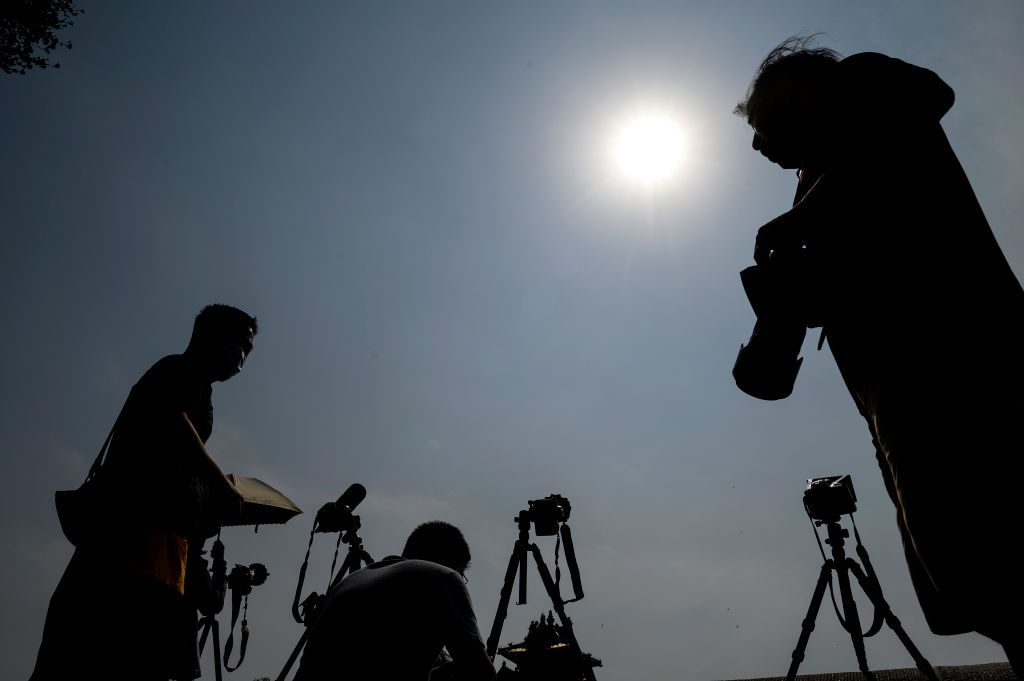
Experts emphasize that certified solar filters must remain on camera lenses, telescopes, and viewing glasses during all phases of the eclipse except totality according to equipment guidelines. Indirect viewing methods—such as pinhole projectors, kitchen colanders, or observing sunlight passing through tree leaves—provide safe alternatives for viewers without eclipse glasses recommended by Tempo.
Photographers planning to capture the event are advised by Skyatnightmagazine to test equipment and filters in the days leading up to the eclipse, utilize tracking mounts or tripods to compensate for Earth’s rotation, and employ a remote shutter cable to prevent camera shake. For those shooting close-ups, focusing on sunspots, solar limbs, or granulation helps ensure sharpness before the eclipse sequence begins Skyatnightmagazine.
Keep reading
Sand Hoppers Move Hundreds of Tons of Sand on California Beaches
Inch-long beach crustaceans known as sand hoppers dig fresh burrows nightly along Southern California shores, moving an estimated...

Scientists Discover 13 Fatty Acids in Cat Urine That Form Unique Scents
Researchers in Japan, Germany, and Spain have discovered 13 unusual branched-chain fatty acids in domestic cat urine that...

Google Patents Filing Details New Text Classification Method for Office Systems
While traditional office automation approaches historically relied on multi-label document categorization based solely on body text, newly surfaced...
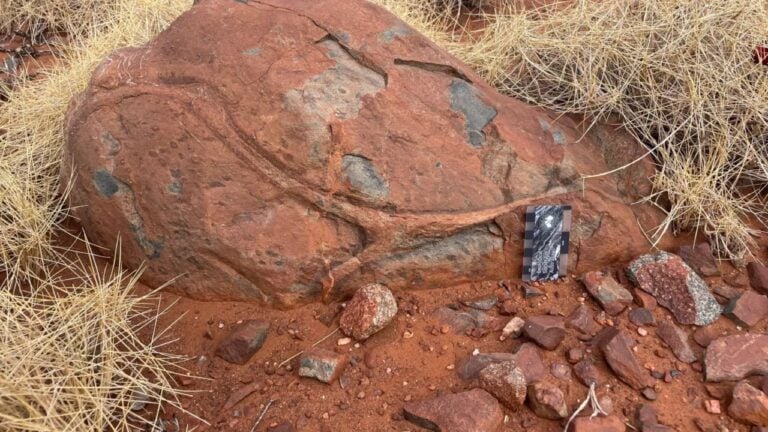
Ancient rocks from Western Australia suggest Earth was already dragging surface water into its mantle and using it to generate volcanoes 3.1 billion years ago — through a primitive recycling process that may have preceded modern plate tectonics
Geologists examining ancient volcanic formations in Western Australia have discovered evidence that water was influencing Earth's interior and...