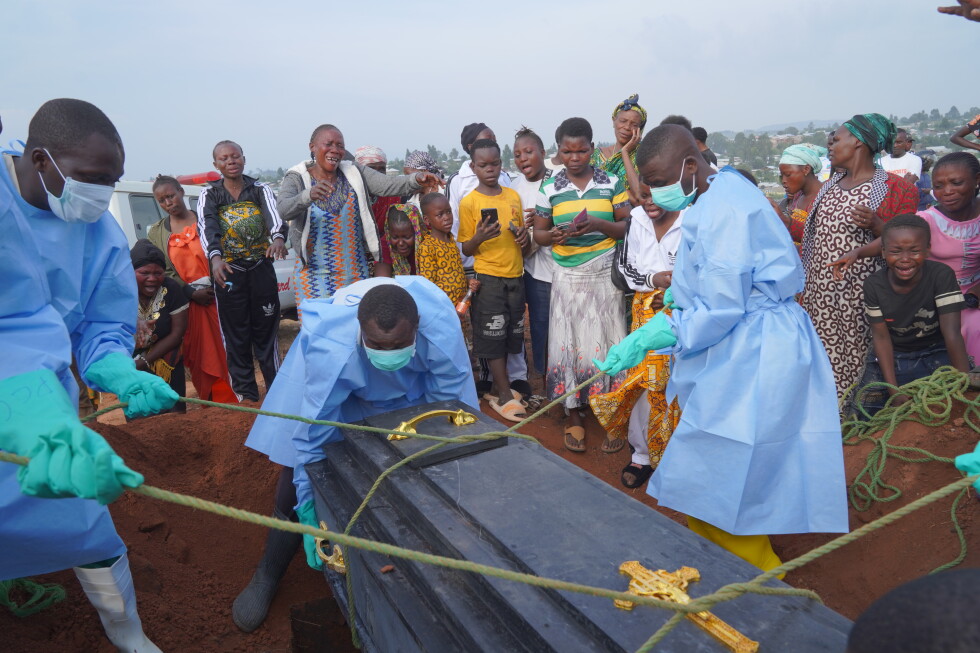
Confirmed Ebola deaths in the Democratic Republic of Congo have surpassed 2,011 amid over 4,381 confirmed cases across five provinces, with World Health Organization officials warning the outbreak is on track to eclipse the historic 2014–2016 West African epidemic as the fastest-spreading and potentially deadliest in history.
An Unprecedented Acceleration Across Five Provinces
The Democratic Republic of Congo confirmed that the death toll has reached 2,011, marking a grim milestone in the country’s 17th Ebola outbreak. Public health institute data seen by Reuters tracks 4,381 confirmed cases across five provinces, driven by delayed detection, ongoing conflict, and strained health services. While the outbreak was formally declared on May 15, subsequent genetic sequencing revealed that transmission actually began months earlier in February.
World Health Organization Director-General Tedros Adhanom Ghebreyesus told reporters that at its current pace, it’s on track to eclipse the West African Ebola outbreak of 2014 to 2016, which killed more than 11,000 people out of over 28,000 cases. Noting that the epidemic had a significant head start before authorities could fully track and manage it, Tedros admitted that responders are currently playing catch-up.
“The outbreak had a big head start, still way ahead of us, and we’re playing catch-up.”
Tedros Adhanom Ghebreyesus, World Health Organization Director-General
A Distinct Strain Without Approved Vaccines or Treatments
Unlike the vast majority of recent outbreaks, this event is driven by the rare Bundibugyo virus species. For this specific strain, there are currently no approved vaccines or treatments available, though clinical trials are underway.
Dr. Abdirahman Mahamud, the WHO’s director for health emergency alert and response operations, outlined the timeline projections for the crisis during a briefing.
“But … that’s the moderate scenario. There is a one-case scenario where this outbreak may last months to 12 months.”
Dr. Abdirahman Mahamud, WHO’s director for health emergency alert and response operations
Under the moderate scenario, the agency expects the outbreak to reach its peak in six months.
Clinical Trials and Vaccine Authorization Milestones
Health Canada authorized Moderna to launch a Phase 1 clinical trial for a vaccine targeting the Bundibugyo form of the virus, making Canada just the second country after the United Kingdom to launch human trials for a Bundibugyo vaccine candidate. Two vaccines developed specifically for this virus type are now being tested in people for the first time, alongside clinical trials for two potential treatments that began in Ituri province last month. The WHO also plans to test whether an existing Ebola vaccine might offer cross-protection following promising animal studies.

Regional Insecurity and Containment Obstacles
Containment efforts face severe logistical friction in eastern Congo near the borders with South Sudan, Uganda, and Rwanda. Most new cases and deaths are reported in communities beyond the reach of health workers operating in a region defined by poor infrastructure and ill-equipped health centers. Complicating matters further, some health workers have gone on strike over unpaid wages, while community mistrust and misinformation keep vulnerable individuals away from clinics.
Keep reading
Gut Bacteria Changes May Predict Type 2 Diabetes Risk Before Blood Sugar Rises
Researchers analyzing data from over 200,000 adults in the UK and US have identified hundreds of gut bacteria...

Pennsylvania Measles Outbreak Reaches 890 Cases Amid Federal Dispute
Pennsylvania health officials reported 55 new measles cases since Wednesday, bringing the state's total to 890 confirmed infections...

WHO Recommends Influenza Vaccine Composition for 2027 Southern Hemisphere
The World Health Organization announced its influenza vaccine composition recommendations for the 2027 southern hemisphere season following an...

LEAD Consortium Launches First Nationwide Study on Paradoxical Lucidity
An international consortium called LEAD is launching a nationwide study dedicated to investigating paradoxical lucidity in dementia patients,...