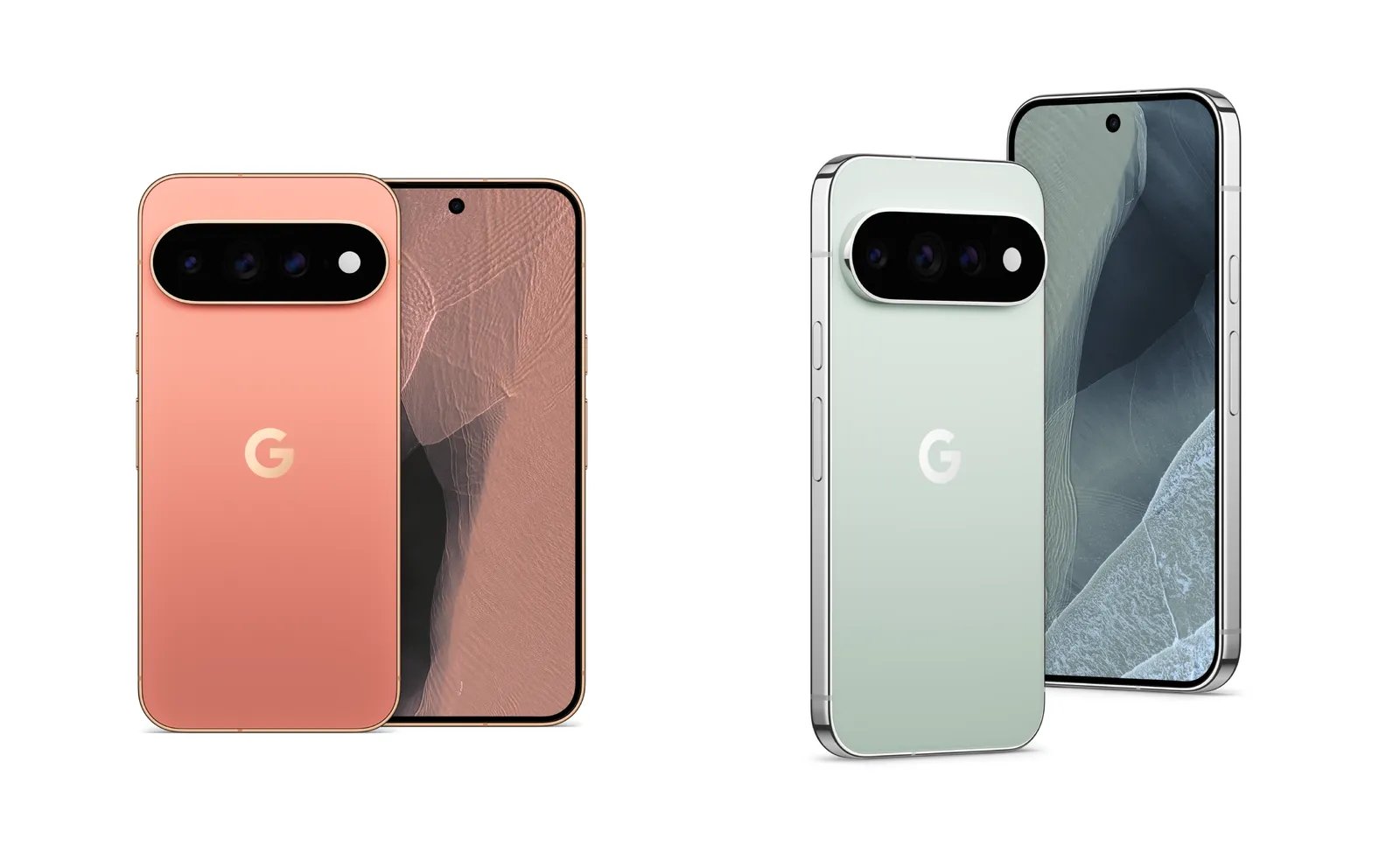
Google has raised the entry price for its newest flagship smartphone lineup in the United States, with the standard Pixel 11 starting at $899. The $100 price increase over the previous generation arrives alongside a doubled minimum storage capacity of 256GB across the entire device series.
Google has officially recast the economics of its smartphone lineup. The company raised the advertised starting price of its flagship devices, anchoring the entry point for the standard model at $899 in the U.S. That figure marks a $100 increase compared to the launch price of the preceding generation.
Upgraded Base Storage and Pricing Across the Lineup
The higher purchase price does not represent a like-for-like comparison with last year’s hardware. While the previous generation began at $799 with 128GB of storage, the new lineup has eliminated that entry tier entirely. Every model in the series now starts with 256GB as the baseline capacity, effectively doubling the minimum storage for buyers.
Across the broader device family, pricing scales upward depending on the tier. The Pixel 11 Pro starts at $1,099, while the larger Pixel 11 Pro XL carries an initial price tag of $1,299. Preorders for the devices opened following their August 12 unveiling, with retail availability scheduled for August 20.
Global Pricing and the Pixel 11 Pro Fold Jump
In India, the Pixel 11 Pro Fold arrives at a price of Rs 1,86,999, representing a jump of Rs 14,000 over its predecessor’s launch price. That cost puts the device near the Rs 2 lakh threshold, prompting discussions among buyers about whether the upgraded specifications justify the expense.
The Pixel 11 Pro Fold is available in just one Olive colorway in India, drawing blunt criticism on enthusiast forums where early community reaction summarized the limitation as Only one colour for Pixel 11 Pro Fold ugh.
Industry-Wide Memory Pressures and Component Costs
The price increases are tied directly to broader supply chain pressures affecting device manufacturers.

As semiconductor suppliers shift manufacturing capacity toward high-margin AI infrastructure, the cost of DRAM and NAND has climbed. That rising demand for artificial intelligence hardware has trickled down to consumer electronics, putting upward pressure on component pricing for mobile manufacturers.
Hardware Upgrades and Long-Term Support Implications
Despite the higher initial cost, the new generation introduces substantial internal and external revisions. All four primary phones operate on Google’s new Tensor G6 processor. The Pro models extend photographic zoom capabilities up to 120x, while the standard model features a 48-megapixel main camera with zoom up to 30x. Google also integrated Qi2.2 wireless charging across the entire lineup.
The Pixel 11 Pro Fold features a thinner and lighter chassis—roughly 10% lighter than its predecessor—paired with 16GB of RAM and displays boasting a 20% brightness boost. Pro-tier models also introduce the HiLight feature, an LED ring surrounding the camera bar capable of glowing for calls, notifications, and Gemini interactions.
For enterprise and fleet buyers, the hardware changes intersect with long-term deployment considerations. While higher upfront device costs impact acquisition budgets, the 256GB storage floor may reduce the frequency of mid-cycle storage upgrades. Combined with Google’s seven-year update policy for devices starting with the Pixel 8, IT administrators retain extended windows to manage replacement cycles, even as baseline purchasing expenses rise.
Keep reading
Jim Cramer Defends Individual Stock Picking Using Apple Example
Financial commentator Jim Cramer defended individual stock picking against index-fund orthodoxy, arguing that retail investors can outperform the...

Serbia President Aleksandar Vucic Resigns to Run for Prime Minister
Serbia's populist president, Aleksandar Vucic, resigned on Sunday to run for prime minister in an upcoming October parliamentary...
Xbox Project Helix Projected to Outperform PlayStation 6 in Raw Power
Hardware leaker KeplerL2 has revealed that next-generation graphics chips for the PlayStation 6 and Xbox Project Helix have...

AI Market Volatility Erases Trillions Before Rebound
Stock markets swung wildly over a recent two-week period, erasing and then recovering hundreds of billions of dollars...