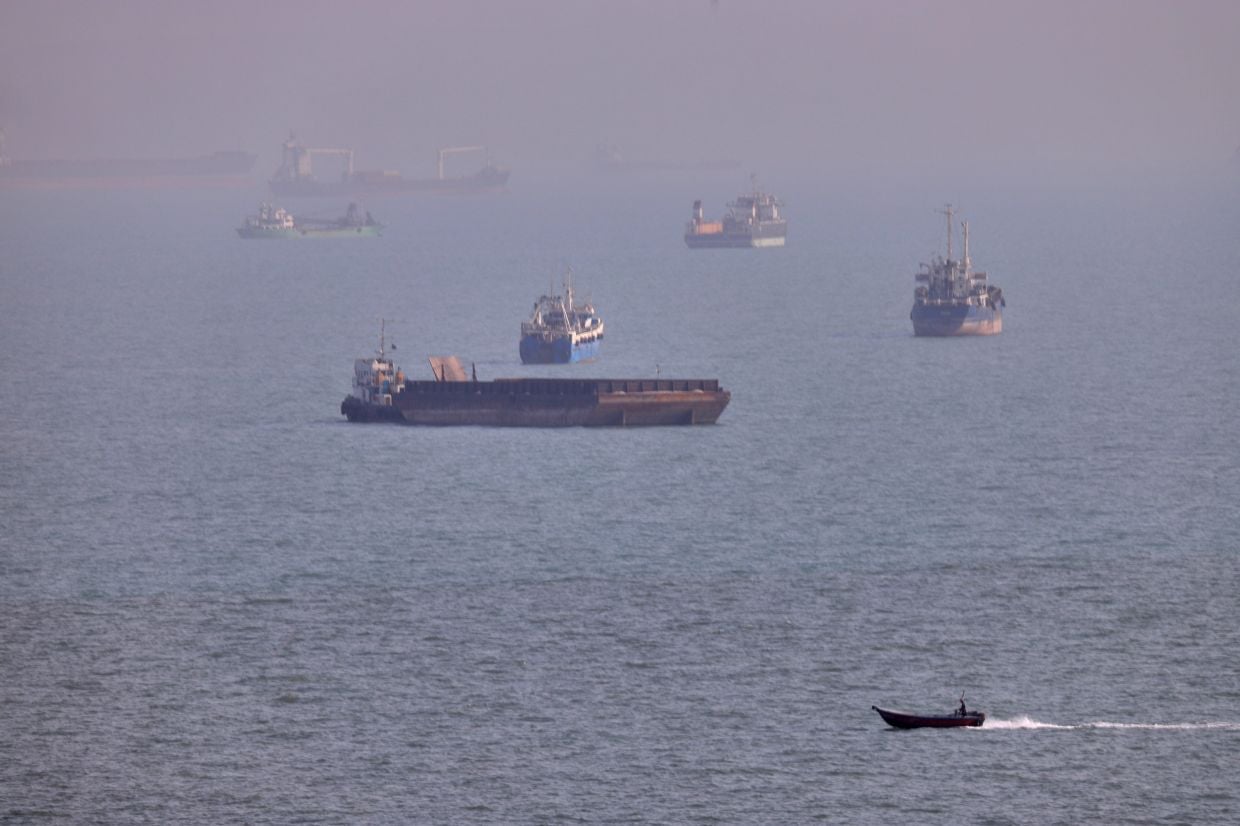
Crude oil prices surged globally on Friday, August 22, 2026, after U.S. President Donald Trump threatened economic sanctions on nations trading with Iran. International benchmark Brent crude settled at $94.39 a barrel as disruptions persisted in the Strait of Hormuz and diplomatic talks remained stalled.
Energy markets faced renewed volatility heading into the weekend as Washington signaled an escalation in its economic pressure campaign against Tehran. Following U.S. President Donald Trump’s threat to penalize Iran’s trading partners, international and U.S. crude futures recorded sharp gains on Friday night, pushing benchmarks to their highest levels since late July.
International benchmark Brent crude futures settled up 61 cents, or 0.65 percent, at $94.39 a barrel, while U.S. West Texas Intermediate crude finished up 23 cents, or 0.26 percent, at $87.06 a barrel. For the week, Brent advanced 6.39 percent and WTI gained 5.66 percent, according to market data reported by Reuters.
Strait of Hormuz Disruptions and Shifting Trade Flows
Ship-tracking data from Kpler showed that only seven commodity ships traversed the strait on Thursday, marking half the volume recorded the previous day.
Trade sources note that offers of Iranian crude to Chinese buyers have dropped as Washington’s blockade takes effect. China, which imports a significant share of Iran’s oil and serves as its largest bilateral trading partner, faces potential fallout from proposed tariffs.

“The immediate impact on supply may be limited as Iranian exports are already heavily constrained by the U.S. naval blockade. However, an increase in shipping incidents and retaliation against economic sanctions could exacerbate the current situation at a time when traffic through the Strait of Hormuz remains well below normal levels.”
Crispus Nyaga, research analyst at Empire FX
Despite the constraints in the Persian Gulf, analysts point out that the energy supply picture includes offsetting buffers. Phil Flynn, senior analyst at Price Futures Group, noted in a morning client note that pipelines, alternative shuttles, U.S. shale production, a recovering Venezuelan sector, and unconstrained supplies from the United Arab Emirates are helping cushion the shortfall.
Global Market Reactions and Government Stabilization Measures
Energy strategists view the White House’s posture as a decisive shift toward economic pressure. John Kilduff, a partner at energy investment firm Again Capital, remarked bluntly on the administration’s strategy, stating that sanctions remain the primary mechanism used by Washington to force Tehran into compliance.
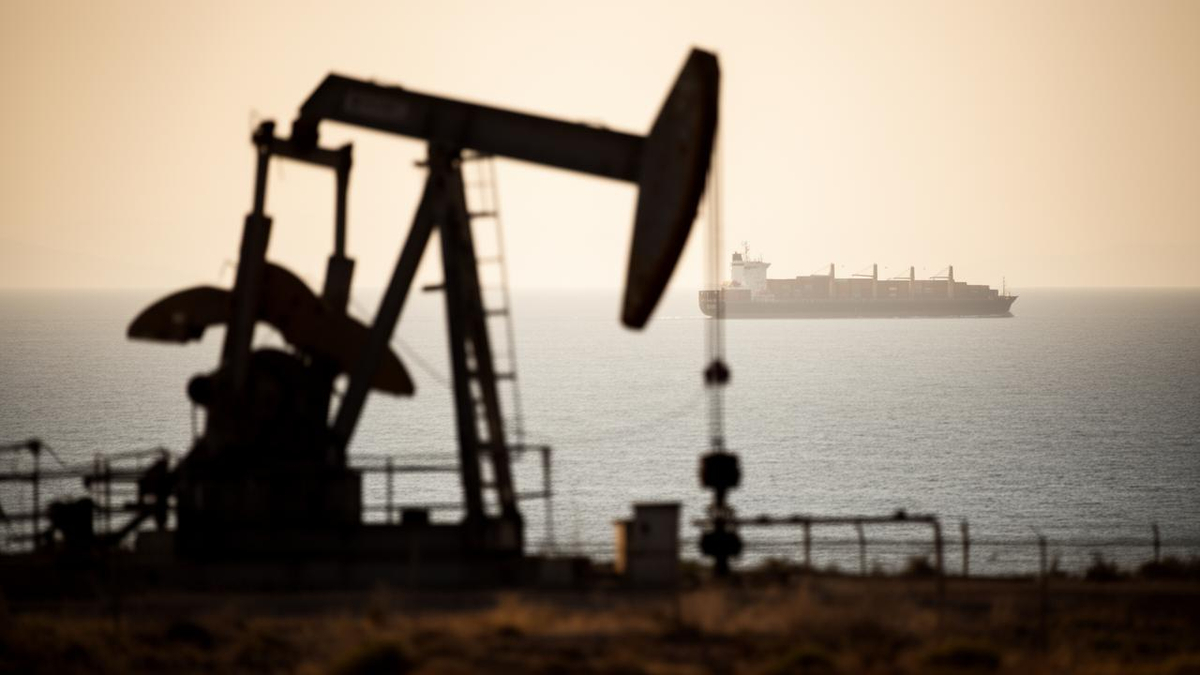
“Sanctions have been the only thing to bring Iran to heel.”
John Kilduff, partner at Again Capital
In response to the mounting external pressures, Iranian officials issued stern warnings on Friday, characterizing any new U.S. financial penalties as measures that would draw a devastating response.
The ripple effects of climbing energy costs have also forced governments abroad to intervene directly in domestic fuel markets. In Taiwan, CPC Corporation announced that domestic retail prices for gasoline and diesel would remain frozen through August 30. To maintain regional price stability under an emergency stabilization mechanism, the government expanded commodity tax reductions, absorbing NT$3.7 per liter for gasoline and NT$2.1 per liter for diesel. CPC added that it would absorb an additional NT$2.7 and NT$4.0 per liter respectively for the coming week, bringing cumulative stabilization expenditures since February to approximately NT$17.27 billion ($542.7 million).
Escalating Tensions and What to Watch Next
Beyond the Persian Gulf, the broader geopolitical conflict continues to intersect with energy infrastructure.
With the diplomatic channel effectively frozen following the expiration of the U.S.-Iran peace framework, market participants are monitoring whether shipping operators will resume normal transit schedules through the Strait of Hormuz and how Beijing will respond to formal U.S. trade warnings directed at Iran’s primary economic partners.

US Ambassador Mike Huckabee Condemns Settler Siege in West Bank Village
U.S. Ambassador Mike Huckabee condemned a settler siege in the occupied West Bank village of Qusra as a...
Malaysia Urges ASEAN Action As Haze Closes Sarawak Schools
As dry weather and rising hotspots push air pollution to unhealthy levels across parts of Malaysia and force...
Nigerian Government Pushes to Cut Methane Emissions From Waste
The Federal Government of Nigeria is implementing new policies aimed at reducing methane emissions from dumpsites and promoting...
Vilnius Corgi Race Draws 150 Dogs From Nine Countries for Fifth Annual Event
The fifth edition of the Corgi Race Vilnius drew dogs and their owners to the Lithuanian capital's Vingis...