Amazon has quietly raised prices across its hardware lineup by up to 60 percent, hitting Echo smart speakers, Fire TV devices, and Kindle e-readers. The company attributes the abrupt increases to severe cost pressures in memory and storage components driven by surging artificial intelligence infrastructure demand.
Shoppers browsing Amazon’s app or website overnight discovered steep new price tags attached to the e-commerce giant’s most popular consumer electronics. The hardware revisions landed across multiple product categories without a formal press release or prior consumer warning.
Hardware Price Increases Across Echo and Fire TV Devices
The steepest percentage jumps landed on Amazon’s lowest-priced hardware. The entry-level Echo Dot (5th gen) experienced a 60 percent price surge, jumping from $49.99 to $79.99.
Streaming hardware also saw significant upward movement. The Fire TV Stick 4K Max climbed more than 40 percent from $59.99 to $84.99. Newer additions to the streaming family running the Linux-based Vega OS were not spared either. Further up the entertainment tier, the Fire TV Cube set-top streamer increased to $200 from $140.
Kindle E-Reader Adjustments and Global Reach
Amazon’s reading ecosystem faced similar adjustments. The 16GB Kindle Paperwhite increased from $159.99 to $199.99, while the Signature Edition climbed to $249.99. The basic Kindle rose by $40 to $149 for the ad-supported model and $169 without ads.

These changes are not confined to the United States. Industry observers note that prices have climbed internationally in countries such as Canada and the United Kingdom, while third-party distribution partners like Best Buy have mirrored the increases.
Component Shortages and Industry-Wide Pressure
Amazon’s unexpected hardware revision reflects a broader macroeconomic strain across consumer electronics.
“The consumer electronics industry is facing significant increases in memory and storage component costs. After absorbing these increases for as long as we could, we recently adjusted pricing across our product lines. Our approach has always been to offer great products at accessible prices, and that commitment hasn’t changed.”
Amazon spokesperson, via Yahoo Finance and Pocket-lint
The global memory shortage has been heavily exacerbated by explosive enterprise demand for AI compute infrastructure. Rivals have enacted similar measures. Apple adjusted pricing for Macs and iPads earlier in the year—a move characterized by Chief Executive Tim Cook as 100-year flood on memory pricing
—while Microsoft increased Xbox console prices by $100 to $150 and phased out 2-terabyte configurations. Major e-reader competitor Kobo also implemented price increases ranging from $10 to $30 earlier this year.
Despite the widespread adjustments, Amazon left certain product lines untouched. Its Ring cameras and video doorbells, along with the higher-end Echo Studio smart speaker, maintained their previous pricing.
Capital Expenditures and What Comes Next
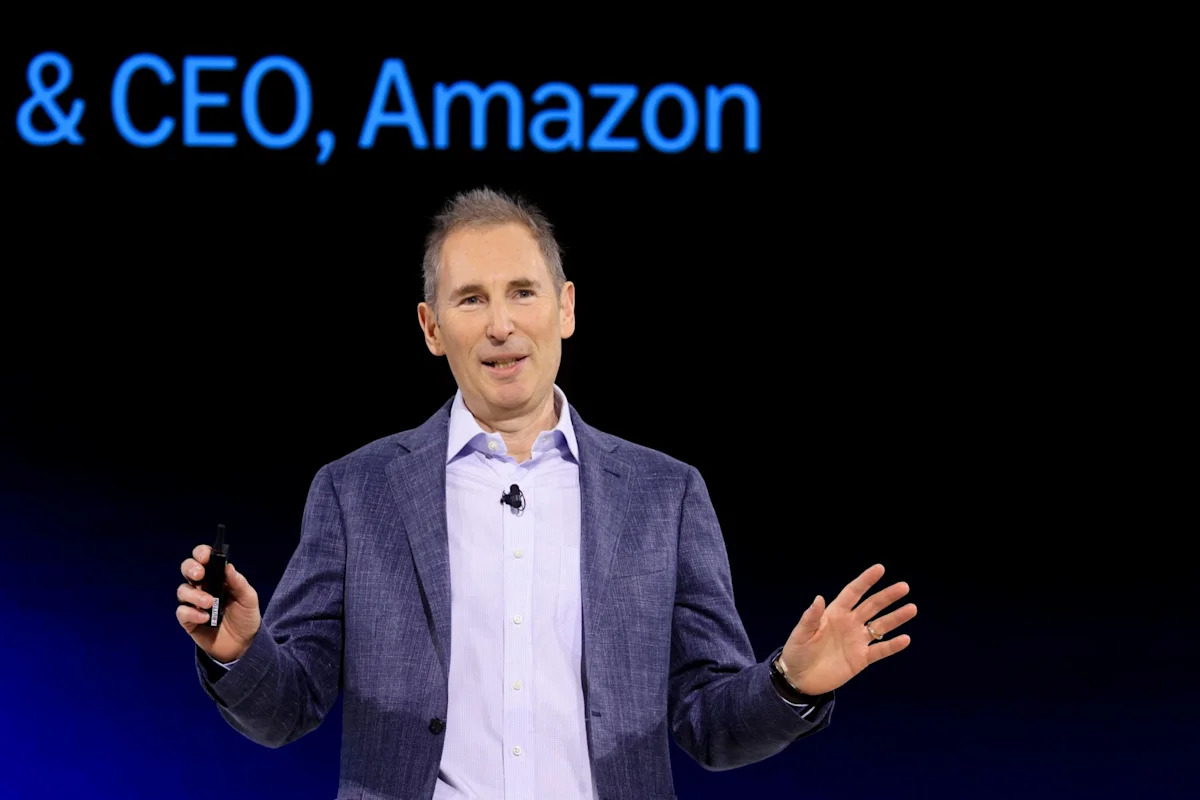
The hardware price hikes arrive as Amazon pours historic capital into artificial intelligence infrastructure. In late July, Chief Executive Andy Jassy told investors that the company expects to spend $220 billion this year on capital expenditures primarily devoted to building and equipping data centers for AI services, up from an initial $200 billion estimate due to rising component costs.

Jassy warned that even at that elevated level, Amazon still will not have enough capacity to meet all the demand we have in 2026
and noted that the tight dynamic will also be true in 2027, too.
As consumers adjust to the new pricing reality ahead of Amazon’s traditional fall device events, shoppers may find temporary relief during promotional windows. Social media commentary surrounding the Kindle and Fire TV increases indicates that buyers are looking toward upcoming October sales events, where discounts may temporarily return devices closer to their historic price points.
Related reading

Google Suspends Open Source Bug Bounty Due to Automated Reports
Google suspended product vulnerability submissions for its open-source bug bounty program on October 1, 2026, citing a surge...

Digital Realty Taps Swiss Franc Market for CHF 510 Million in Senior Green Notes
Digital Realty Trust is tapping the Swiss franc debt market with a CHF 510 million senior unsecured green...

Flydubai Co-Pilot Attacks Captain With Axe Over Saudi Airspace
An Israel-bound Flydubai flight narrowly avoided disaster on September 30, 2026, when its co-pilot attacked the captain with...

Amazon Slashes Up to $2,000 Off Hisense TVs During Prime Big Deal Days
Up to $2,000 comes off Hisense television ranges as Amazon’s Prime Big Deal Days event brings major discounts...