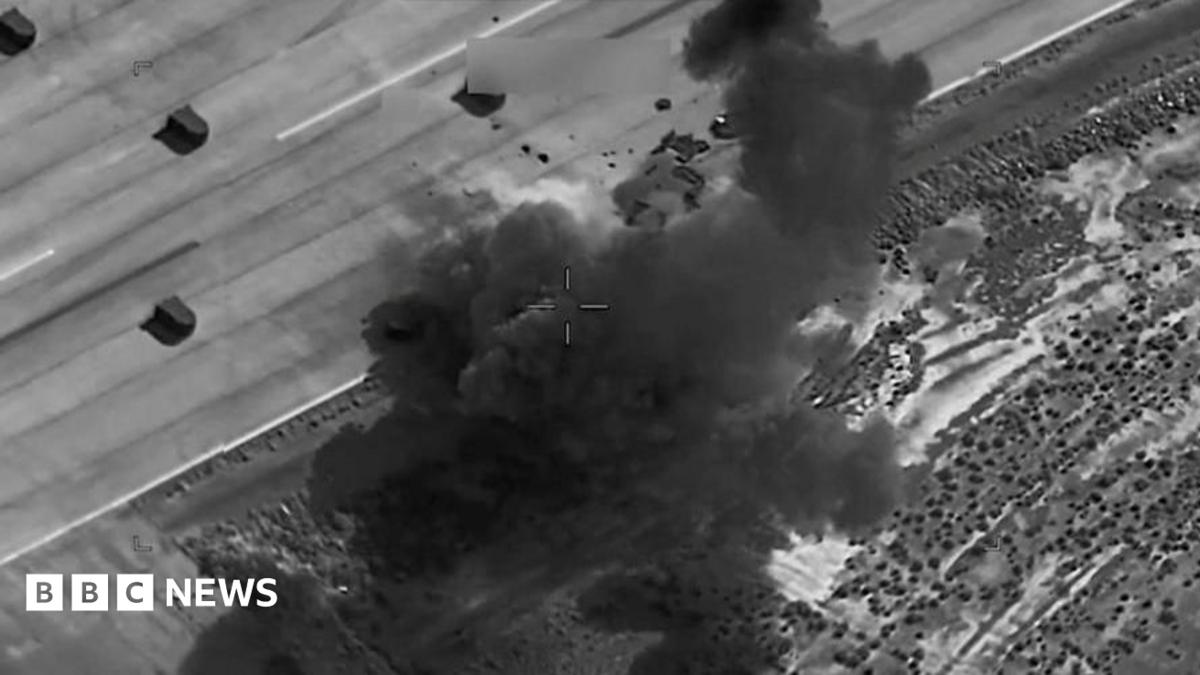
The United States and Iran have engaged in two consecutive days of military strikes, significantly escalating tensions over the strategic Strait of Hormuz. The conflict, which has disrupted a vital global oil shipping corridor, follows the collapse of an interim ceasefire and the recent targeting of three commercial vessels by Iranian forces.
Military Escalation and Strategic Targets
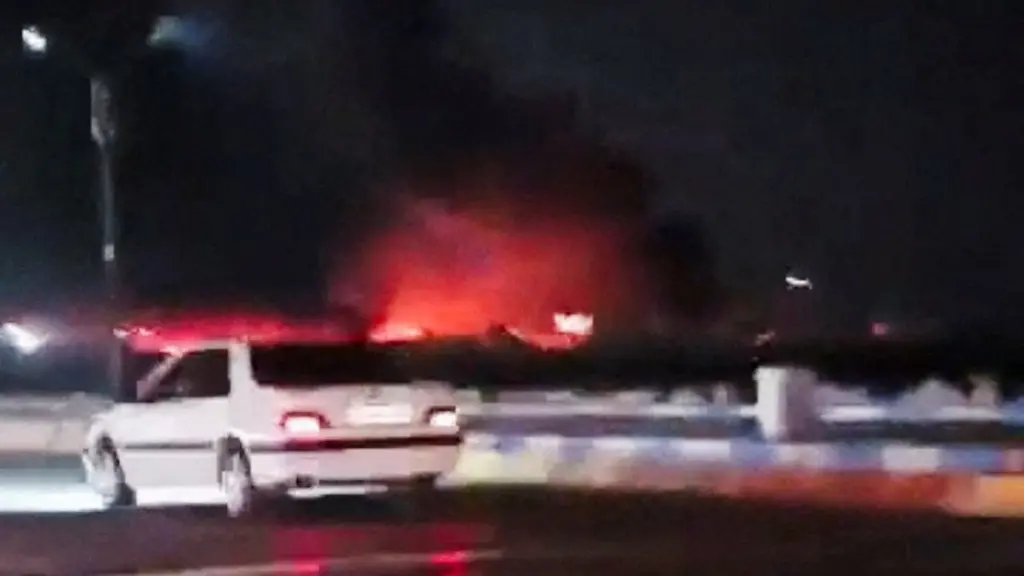
The United States Central Command (CENTCOM) confirmed it launched approximately 90 strikes against Iranian military targets on Wednesday, following an initial wave of more than 80 strikes on Tuesday. According to U.S. officials, the campaign is intended to degrade Iran’s ability to threaten the freedom of navigation in the waterway.
The strikes have impacted various locations across Iran, including coastal port cities and inland infrastructure. Reports from Iranian state media and the IRNA news agency indicate explosions in Bandar Abbas, Konarak, and Chabahar, the latter of which experienced power outages. Additional U.S. strikes hit a railway bridge in the northeast near Aqqala and a military base in Bushehr, which hosts the country’s only civilian nuclear power plant.
In retaliation, Iran’s Revolutionary Guards (IRGC) launched missile and drone attacks targeting U.S. military bases in Bahrain and Kuwait. Officials in Kuwait reported intercepting these attacks, while blasts were heard in Bahrain’s capital, Manama. Qatar also briefly issued an “elevated security threat” alert. Iran’s Ministry of Health reported that 14 people have been killed and 78 injured during this latest round of fighting.
Collapse of Diplomatic Efforts
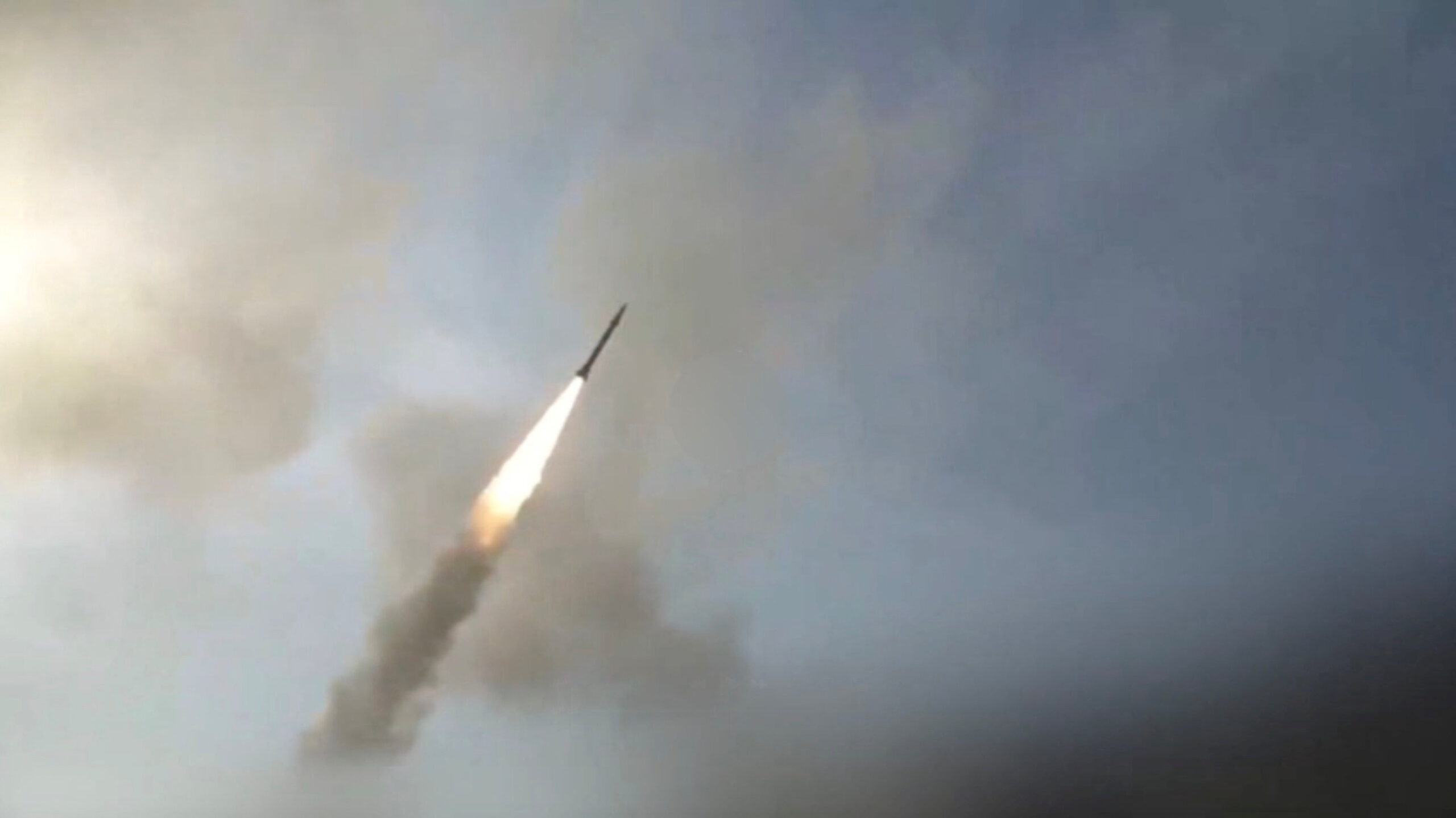
The renewed hostilities have effectively ended the memorandum of understanding signed on June 17, which had previously fostered an “exuberance of optimism” in the shipping industry. U.S. President Donald Trump declared the ceasefire “over,” stating, “I don’t want to deal with them.”
Despite the rhetoric, President Trump noted on Wednesday that the Iranian side had reached out to express a desire for a deal. However, he expressed skepticism regarding their reliability, describing them as “sort of crazy” and “dishonourable.”
Iran’s chief negotiator, Mohammad Bagher Ghalibaf, maintained a defiant stance, stating on X that the Strait of Hormuz would only be opened under “Iranian arrangements.” Ghalibaf warned that bullying and breaking promises would continue to have consequences, declaring, “If you strike, you will be struck back.”
Impact on Global Shipping and Seafarers
The volatility in the Strait of Hormuz is causing significant distress for the international shipping community. Phil Belcher of Intertanko, an organization for independent tank owners, noted that the region is currently “not very open.”
The number of ships transiting the strait has plummeted. Daily traffic is currently estimated at approximately 30 ships, down from 70 last week and significantly lower than the 130 ships typically seen before the conflict began in February. According to the United Nations shipping agency, approximately 6,000 sailors remain stranded on ships within the region.
“This cycle of violence, this cycle of up-and-down, positive-negative news, it’s having an enormous impact both on business and on the seafarers themselves,” Belcher said. He emphasized that civilian crews from nations including the Philippines, the UK, Norway, and India are caught in the middle of the escalating conflict.
Context of the Conflict
The current hostilities are occurring against a backdrop of mourning in Iran, as the country prepares for the burial of former supreme leader Ali Khamenei, who was killed at the outbreak of the war on February 28.
Before the recent escalation, Iran had insisted on controlling the strait, threatening to charge passage fees and strike vessels that deviated from authorized routes. While Iran has not officially claimed responsibility for the recent attacks on three cargo ships, analysts suggest such actions are used by Tehran as leverage in negotiations.
As the situation remains fluid, international calls for restraint have emerged. UN Secretary-General Antonio Guterres has called on all parties to exercise “maximum restraint,” and Pakistan, a key mediator in the previous talks, has echoed these calls for diplomacy. Meanwhile, global markets have reacted to the instability; Brent crude futures rose about 1% to $78.80 a barrel following Wednesday’s attacks.
Find more reporting in our News section.

Related reading
- Quntis Monitor Light Bar Glow Features RGB LEDs and Ultrawide Support
- Police Hunt Roommate After Waitress Jovia Namuwulya Murdered in Bukoto
- US Treasury Secretary Vows Economic Asphyxiation of Iran Amid Strait of Hormuz Standoff (world-today-news.com)
- Why Trade Retaliation Lists Always Include Bourbon (daybreakwire.com)

Quntis Monitor Light Bar Glow Features RGB LEDs and Ultrawide Support
The Quntis Monitor Light Bar Glow introduces a 20.1-inch metallic gray lighting system featuring an 88-front LED task...

Police Hunt Roommate After Waitress Jovia Namuwulya Murdered in Bukoto
Police in Kampala are investigating the murder of 22-year-old waitress and TikTok content creator Jovia Namuwulya, whose body...
US and Botswana Forces Enhance Planning During Exercise Southern Accord 2026
Exercise Southern Accord 2026 concluded on August 15 at Gaborone Technical College in Botswana, uniting military personnel from...

China Recalls Millions of Teslas Over Flush Door Handles
Minimalist electronic door latches and flush exterior handles have defined the modern electric vehicle aesthetic since Tesla popularized...