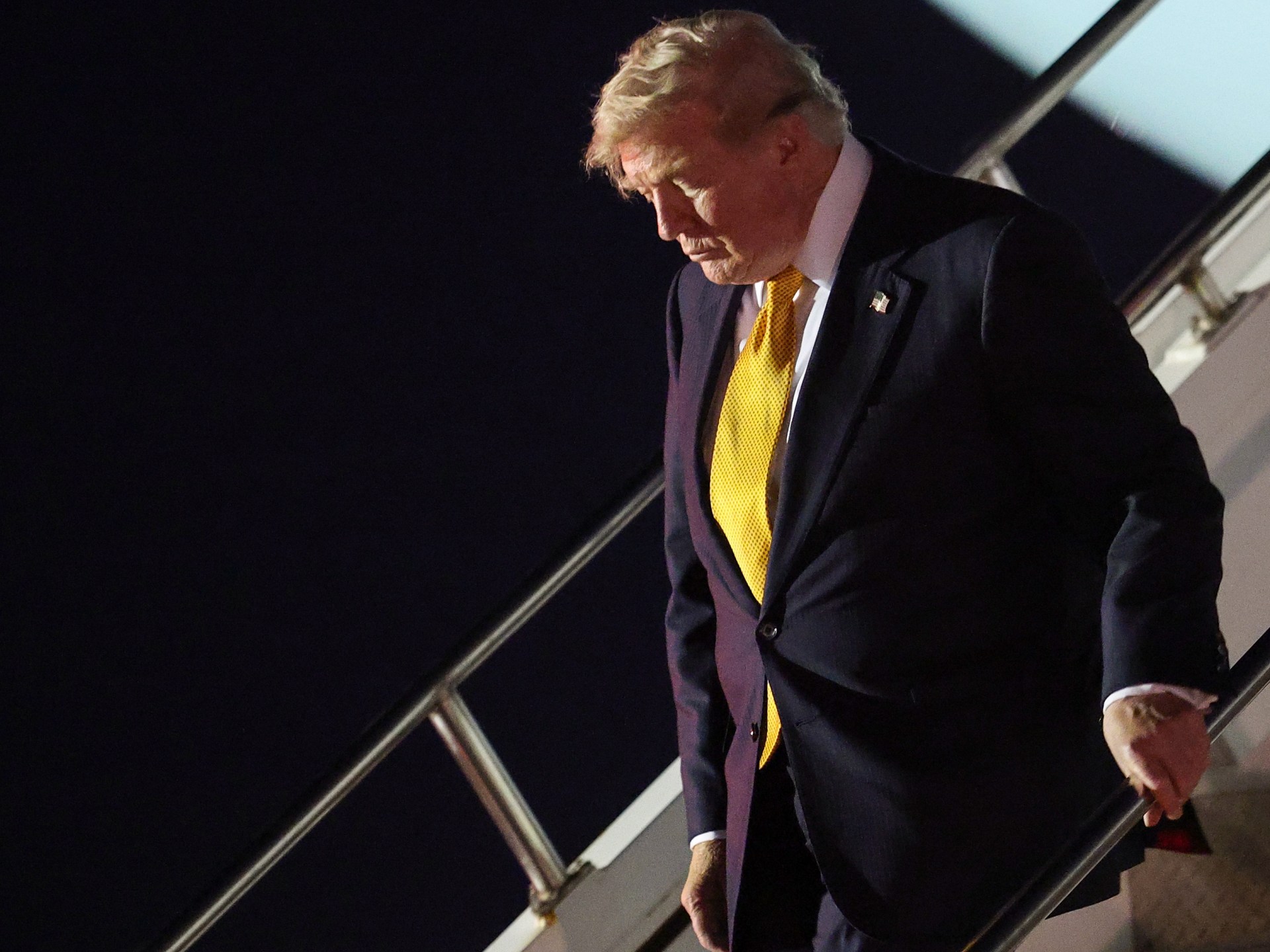
US Central Command Targets 170 Iranian Locations

The latest diplomatic opening comes against a backdrop of intense military friction. Since Tuesday, the United States has targeted approximately 170 locations within Iran, according to US Central Command, the military branch that oversees operations in the Middle East. These strikes were launched in retaliation for attacks on commercial tankers—including three Qatari and Saudi vessels—transiting the Strait of Hormuz. In response to the US offensive, Iranian forces struck US military installations across neighboring Gulf states on Thursday, July 9.
The Strait of Hormuz, a critical artery for global energy, remains the primary point of contention. This week’s exchange of fire is the largest threat yet to the June 17 memorandum of understanding (MoU), which called for an immediate end to fighting on all fronts, the lifting of the US naval blockade on Iran, and the re-opening of the Strait of Hormuz. Daily tanker traffic through the critical waterway appeared to have slowed on Friday, after the series of attacks stoked concerns about the recovery of global oil supplies and shipping. Oil prices eased on Friday but remained on track for weekly gains of 5% after the flare-up.
President Trump Declares June 17 MoU Over
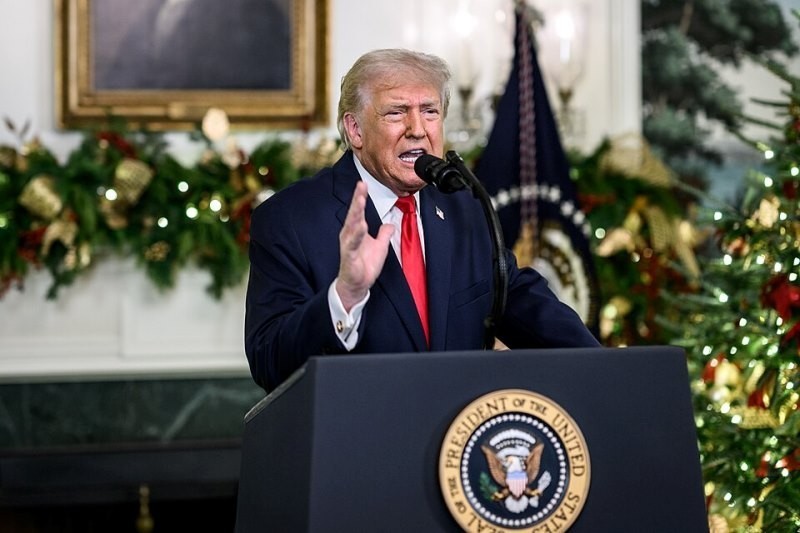
President Trump’s rhetoric regarding the conflict has remained volatile. In a Friday post on Truth Social, he stated, “The Islamic Republic of Iran has asked us to continue ‘talks.’ We have agreed to do so, but the United States has stated to them, in no uncertain terms, that the Cease Fire is OVER!” This follows remarks made earlier in the week at the NATO Summit in Ankara, where Trump had already signaled that he considered an April 8 ceasefire effectively dead. During that summit, he launched a scathing attack on Iran’s leadership, calling its officials “scum” and “sick people.” He stated, “They’re scum. You know what scum is? They’re scum. They’re sick people. They’re led by sick people. And they’re vicious, violent people. And if they had a nuclear weapon, they’d use it. As far as I’m concerned, it’s over.”
Despite the president’s aggressive tone, the administration has kept lines of communication open. The US president said he had asked special envoy Steve Witkoff and his son-in-law to engage. However, military analyst Alex Alfirraz Scheers told Al Jazeera that any talks were likely to yield “very little” unless some semblance of trust can be revived. “I think in many ways they’re almost symbolic,” Scheers said. “Until there is genuine momentum with regards to trust-building and confidence-building, in the current context these talks will likely lead nowhere.”
Sheikh Mohammed bin Abdulrahman bin Jassim Al Thani Mediates for Qatar
Qatar has emerged as a central mediator, with officials visiting Iran on Friday to de-escalate tensions, create the conditions for broader negotiations to continue in Qatar or Pakistan, and discuss the future of navigation in the Strait of Hormuz. The Qatari prime minister and minister of foreign affairs, Sheikh Mohammed bin Abdulrahman bin Jassim Al Thani, said in a post on the social media platform X on Friday that he had appealed for both the US and Iran to uphold their commitments in a call with Egypt’s foreign minister. Iran’s semi-official Tasnim news agency noted the visit, which analysts described as an effort by Doha to consolidate its role as a mediator.
Mohammad Bagher Ghalibaf Rejects Iranian Surrender
The political stakes are high for all involved. For the United States, the war is politically unpopular and threatens to undermine Trump’s Republican Party in November’s midterm elections. For Iran, the already beleaguered economy has suffered throughout the war, boosting the government’s incentive to access frozen funds and have sanctions lifted. Iran’s lead negotiator and Parliament Speaker, Mohammad Bagher Ghalibaf, signaled on Friday that officials were still willing to take the diplomatic route. “At any moment the Americans betray the understanding, we are ready for full-scale defence and will stand firm against them and defend the rights of the Iranian people,” Ghalibaf said. “Ending the war is a priority for the countries of the world, but everyone should know that this conflict will never end with Iran’s surrender.”
Find more reporting in our World section.

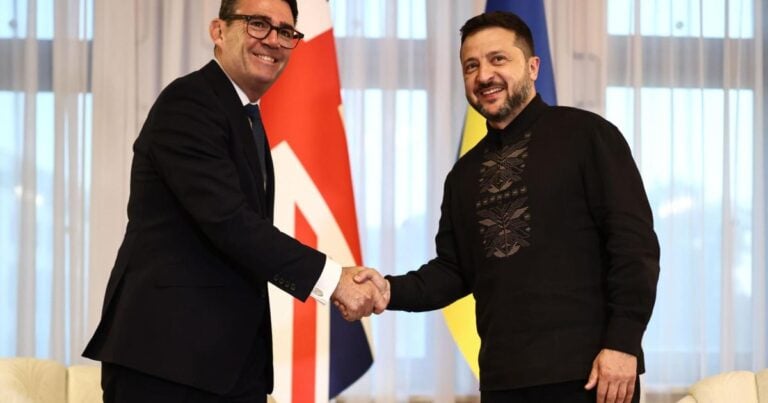
Kremlin Adviser Warns UK Drone Factories May Face Attacks
Following a high-profile visit to Kyiv by UK Prime Minister Andy Burnham, Kremlin advisor Andrei Fedorov warned that...
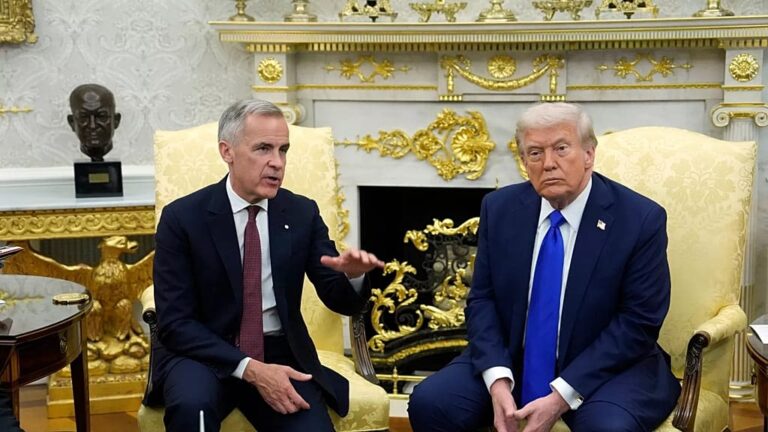
Trump Threatens 50% Tariffs on Canadian Vehicles and Steel
US President Donald Trump announced on Monday that United States tariffs on all Canadian cars, trucks, automotive parts,...

Australia Updates Skilled Visa Processing Priorities Under Direction 119
Australia has introduced Ministerial Direction 119, reshaping skilled and employer-sponsored visa processing from July 25, 2026.
Syria and Israel Hold US-Mediated Talks in Jordan to De-escalate Tensions
Syrian and Israeli delegations met in Jordan under U.S. mediation on Sunday, August 23, 2026, to discuss de-escalation...