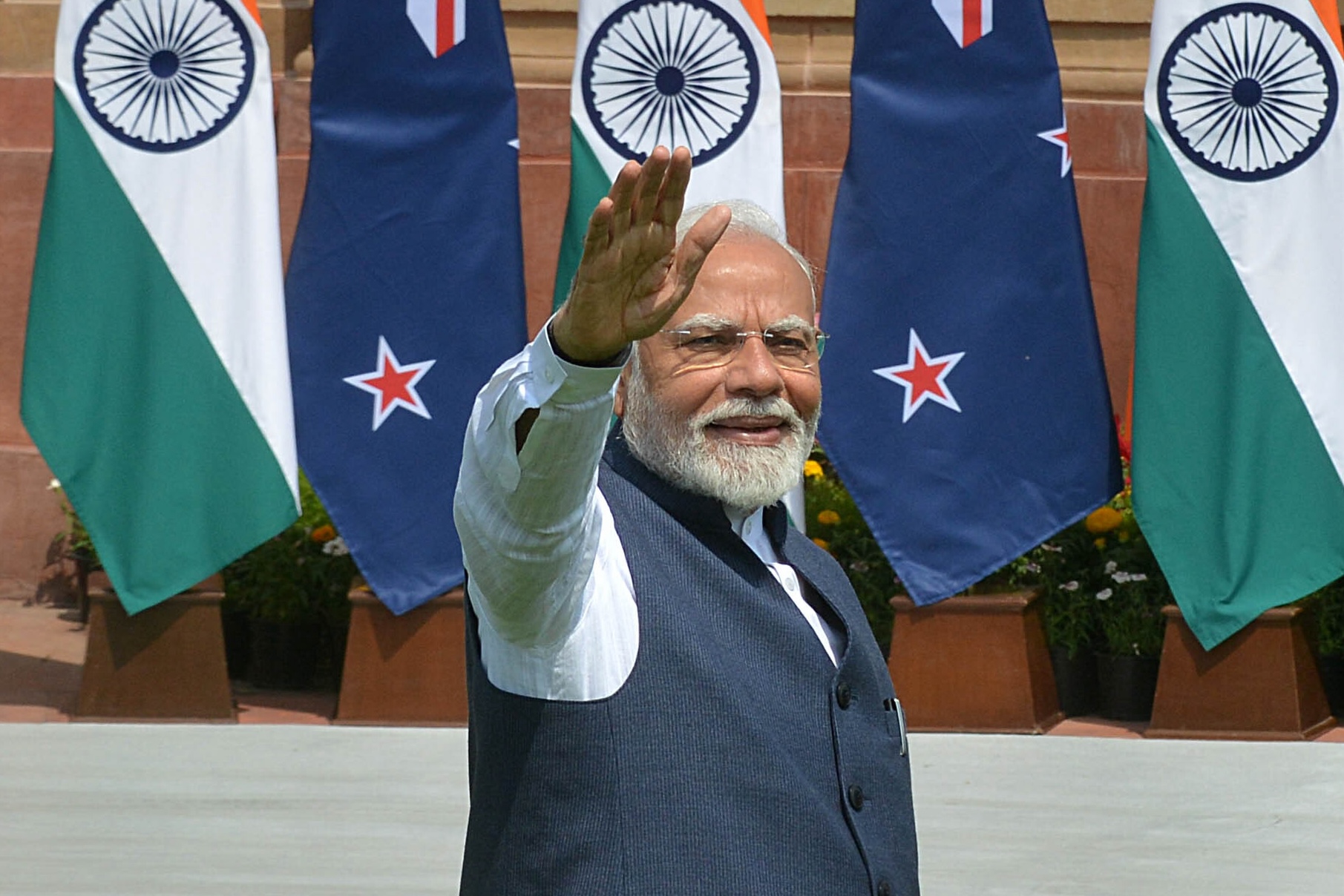
Indian Prime Minister Narendra Modi landed at Auckland International Airport at approximately 8:15 p.m. on Friday, marking the first official visit by an Indian leader to New Zealand in 40 years. Arriving directly from Australia aboard his Boeing 777, designated “India One,” Modi was greeted on the tarmac by Prime Minister Christopher Luxon and senior minister Mark Mitchell.
The visit, which officials describe as the highest-profile head-of-state arrival in New Zealand in over a decade, includes a red-carpet welcome and a series of high-level engagements scheduled through Saturday.
Diplomatic and Economic Stakes

The visit serves as a platform to mark the recently negotiated free trade agreement (FTA) between India and New Zealand. Prime Minister Luxon has characterized the visit as a “historic event,” noting that it underscores the significance of New Zealand’s relationship with a rapidly emerging global power.
According to government planning, formal bilateral meetings are set to take place on Saturday. Following these discussions, a live forum will be held at midday to highlight six or seven specific business sectors of mutual interest to both nations. The visit is expected to result in announcements spanning education, science, technology, defense, sport, and potential cooperation in Antarctica and the Pacific.
The FTA is viewed as a vital mechanism for strengthening economic ties. While India is currently New Zealand’s 13th-largest trading partner, the agreement is designed to grant New Zealand access to India’s expanding middle class, specifically in high-value sectors such as professional services, fintech, international education, and tourism.
The Role of the Kiwi Indian Diaspora

The visit coincides with the release of a report by consultancy Infometrics, which highlights the substantial economic footprint of New Zealand’s Indian community. The report, commissioned by the Waitakere Indian Association, estimates the diaspora’s contribution to the economy at $37 billion, or 8.6% of total GDP for the year ending March 2025.
Sunil Kaushal of the India New Zealand Business Council emphasized that the community acts as a bridge between the two cultures, facilitating the connection of businesses and institutions. “We’ve all been waiting for 40 years for this visit,” Kaushal said. “There’s so much excitement — I mean, it’s a once-in-a-lifetime opportunity.”
The Kiwi Indian population has grown significantly, reaching 330,000 as of 2023, and is projected to reach 626,000 by 2043. Highlighting the community’s shifting profile, the report notes that 46% of Kiwi Indians hold a bachelor’s degree or higher, compared to 27% of the total population, with a move toward professional and specialist sectors.
Security and Public Order
Due to the high-profile nature of the visit, authorities have implemented a robust security operation. Police have deployed specialist support teams from across the country to manage public order and crowd control throughout the Prime Minister’s stay. Security measures were also observed at the Cordis Hotel, where Modi is staying.
Inspector Grae Anderson, the police operation commander, stated that these specialist resources are intended to assist with crowds or potential disruptions. Chris Kumeroa, managing director of the Global Risk Consulting Group, noted that authorities have maintained broad security plans to prevent the identification of vulnerabilities, utilizing a “show of force” to manage risks.
The visit has faced internal political friction. Foreign Affairs Minister Winston Peters has alleged that National Party ministers were “covertly” tightening immigration settings for Indian nationals. Additionally, police recently confiscated hunting weapons from Destiny Church leader Brian Tamaki following his public threats regarding the visit and the FTA. Tamaki, who was served a temporary firearms license suspension, claimed the seizure was an attempt by the government to “please Modi.”
Community Engagement and Future Outlook
The visit will conclude on Saturday with a “Kia Ora Modi” community event at Spark Arena. The venue has reached capacity, with thousands of local Kiwi Indians expected to attend.
Beyond the immediate festivities, the visit highlights the necessity of deepening institutional engagement. While 61% of New Zealanders view India as important to the nation’s future, only 29% report having significant knowledge about the country, according to an Asia New Zealand Foundation survey.
Observers suggest that while the visit is significant, meaningful cooperation will require sustained effort. As New Zealand navigates a fragmenting international environment, the goal is to build a more resilient partnership with India that operates independently of other major global powers, focusing on long-term collaboration in areas such as climate change, healthcare, and digital infrastructure.
Find more reporting in our World section.

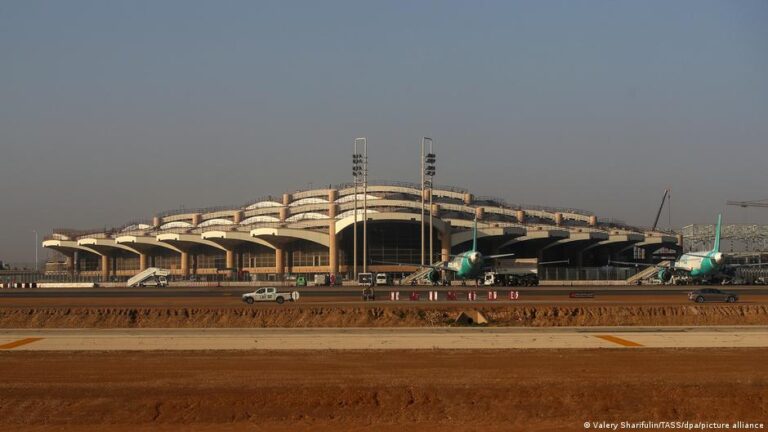
Trump Weighs Yemen Strikes After Houthi Attacks Close Saudi Airport
Saudi Arabia closed Riyadh's international airport and reported 12 deaths and 309 injuries after a Saturday missile strike,...

China’s Gold Reserves Grow as Consumer Imports Hit Record Levels
China extended its gold accumulation program in September, boosting official reserves by 23 tonnes while global central banks...
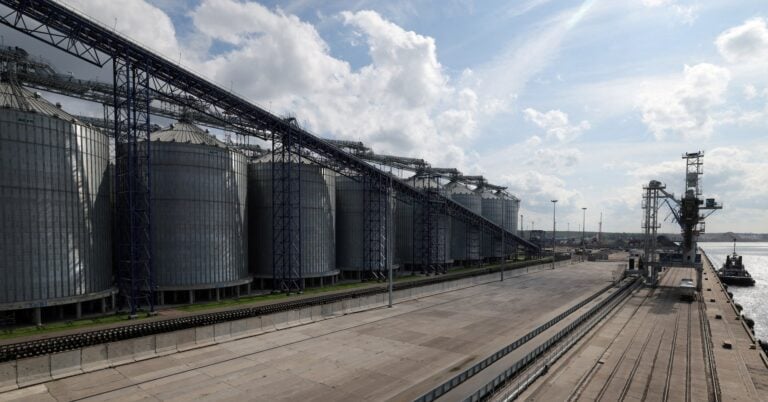
Baltic States Urge EU-Wide Ban on Russian Grain Transit
Lithuania, Latvia, and Estonia have petitioned European Union leaders for a bloc-wide ban on Russian grain transit, aiming...
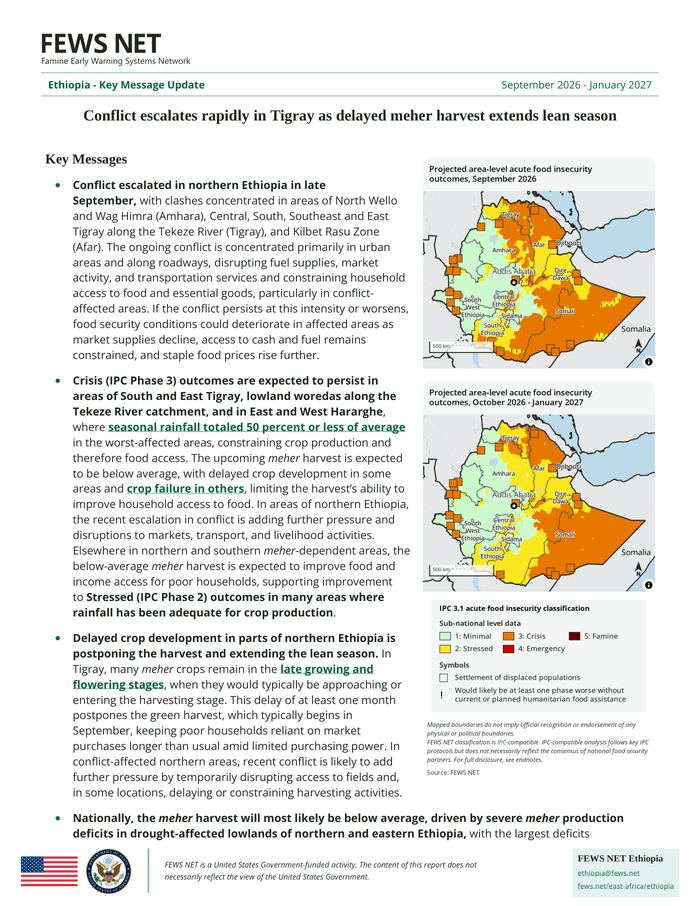
Ethiopian Federal Forces and Intelligence Officials Enter Mekelle
Ethiopian federal forces and intelligence officials entered Mekelle on October 11, 2026, following the withdrawal of rebel groups...