
A developing super El Niño in the Pacific is projected to cause 451,000 excess heat deaths worldwide by February 2027, as equatorial sea surface temperatures reach record highs. The climate pattern is also driving severe droughts, food insecurity for millions, and catastrophic wildfires across Indonesia, according to researchers and international agencies.
The Pacific Ocean climate pattern known as the El Niño-Southern Oscillation has shifted into extreme territory. Equatorial sea surface temperatures hit 3.05 degrees Celsius (5.49 Fahrenheit) above normal levels this month, marking the highest temperature anomaly for any El Niño since record-keeping began, according to data from the US National Oceanic and Atmospheric Administration (the US National Oceanic and Atmospheric Administration). While the World Meteorological Organization does not officially use the term super,
forecasters have categorized the developing event as “a very strong event” with profound global ramifications.
Scientists and researchers are confronting stark mortality estimates driven by the extreme heat. A study from the University of Chicago’s Climate Impact Lab projects that the phenomenon could result in 451,000 excess deaths by February.
Global Mortality Projections and Regional Impacts Across the Sahel
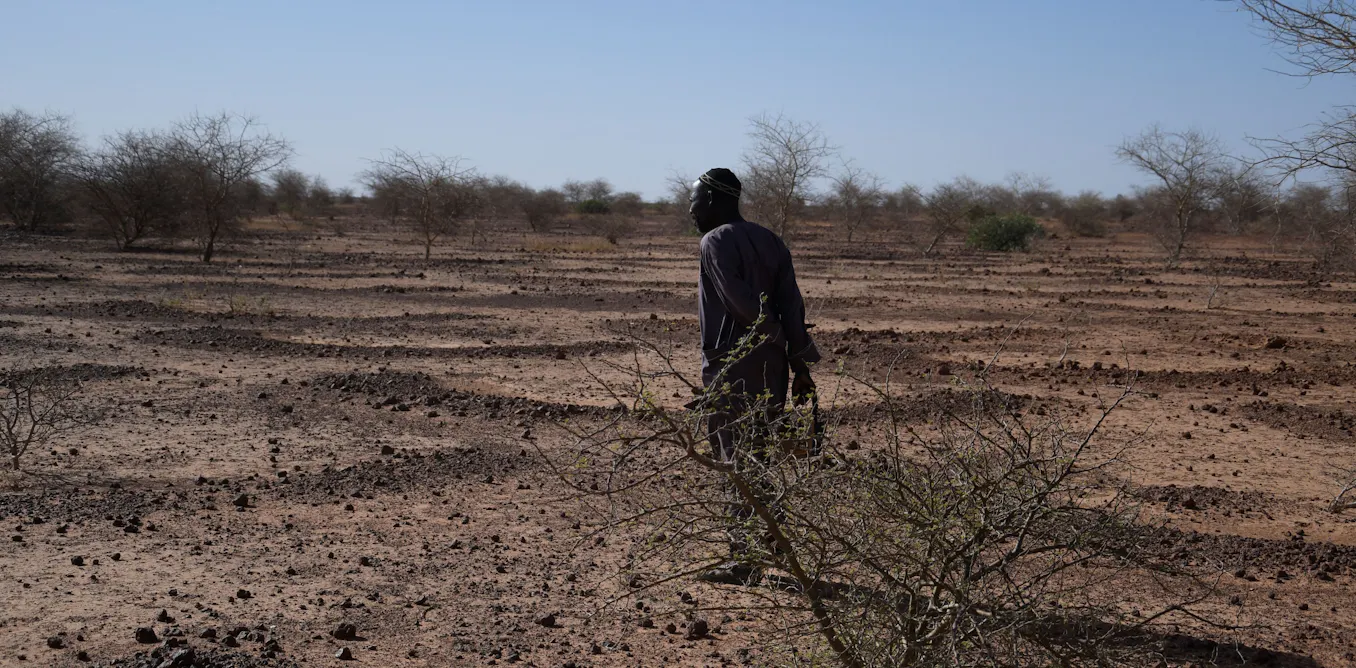
The heaviest loss of life is projected across tropical and impoverished regions where populations have limited access to indoor cooling and electricity. Africa’s Sahel region—a dry belt stretching between the Sahara Desert and tropical savannas—faces some of the largest temperature anomalies and the highest death tolls globally.
Nigeria is projected to experience the highest heat mortality in the world under the super El Niño. Researchers estimate 31,400 excess deaths in Nigeria, out of 237.5 million residents, where poverty rates exceeded 60% in 2025 and frequent power cuts leave households without reliable electricity. Sudan faces the second-largest toll with 17,500 projected deaths, compounded by war that has crippled infrastructure and left 57% of the population in extreme poverty, followed by Niger with 10,000 deaths and Chad with 8,000.

Wealthier nations are not immune; the United States falls within the top 20 most affected countries, with 3,500 projected additional heat deaths over the six-month period ending in February 2027.
Wildfires and Peatland Destruction in Indonesia
While extreme heat threatens urban and rural populations alike, the weather pattern is simultaneously fueling severe environmental disasters in Southeast Asia. Wildfires have erupted across Sumatra and Indonesian Borneo, burning through more than 200,000 hectares and blanketing the region in toxic smoke that has delayed flights, closed parks, and shut thousands of schools due to rising asthma and respiratory infection rates.
Government meteorological data reveals that over 23,000 fire hotspots have been detected by satellites over an eight-month span, outpacing the activity seen during the historic 2015 El Niño. That previous event incinerated roughly 2.6 million hectares, cost up to $28 billion, and may have caused 100,000 premature deaths across Indonesia, Malaysia, and Singapore.
The fires are exacerbated by the commercial drainage of tropical peatlands for plantations producing palm oil.
Agricultural Disruptions and Global Food Security Risks
Beyond direct health and fire impacts, the extreme climate shift threatens global food supplies. The World Food Programme has warned that El Niño’s impacts could push about 50 million people into acute hunger by the end of 2027, with southern Africa and South America facing severe agricultural stress.
Meanwhile, other regions face the opposite extreme; southern South America and parts of Central Asia brace for heavy rains and potential flooding reminiscent of the 2024 disaster in Rio Grande do Sul, Brazil, which killed over 180 people.
Climate scientists emphasize that while El Niño is a natural cycle acting as an oceanic heat battery, human-caused global warming is expanding that baseline energy. The science leaves no room for doubt: the planet is in uncharted waters, and those waters are heating up,
warned U.N. Secretary-General António Guterres.
Related reading

Scientists Use Mount Vesuvius Eruption to Recalibrate Argon-Argon Dating
Researchers have recalibrated argon-argon dating using historical records from the 79 C.E. eruption of Mount Vesuvius, achieving 0.7...
New Iron Minerals Could Hold Primordial Water at Earth’s Core-Mantle Boundary
Newly discovered iron oxyhydroxide minerals stable at core-mantle boundary conditions could hold up to 15% water by weight,...

NASA Targets 2028 for Boeing Starliner Crewed Flight After Overhauls
NASA Administrator Jared Isaacman announced on Monday that Boeing's Starliner spacecraft is targeted for a crewed flight in...

Researchers Identify Two New Sea Spider Species in the Salish Sea
Researchers have identified two previously unknown species of sea spiders in the Salish Sea, marking the first such...