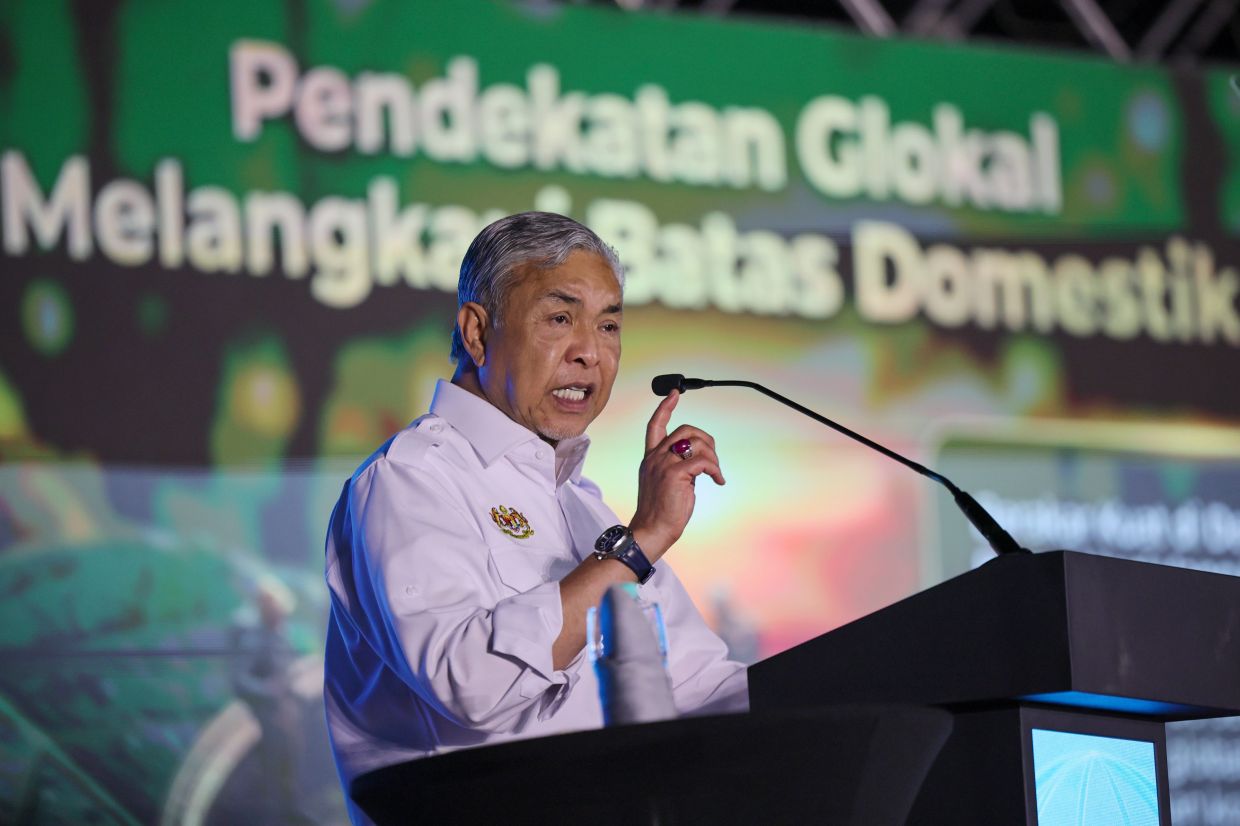
Malaysia is moving to establish a new, independent mechanism for managing refugees and asylum seekers, aiming to reduce reliance on foreign entities.
Shifting Policy Under NSC Directive No. 23
The Malaysian government plans to take direct control over the management of its refugee population, moving away from current practices that rely heavily on international organizations.
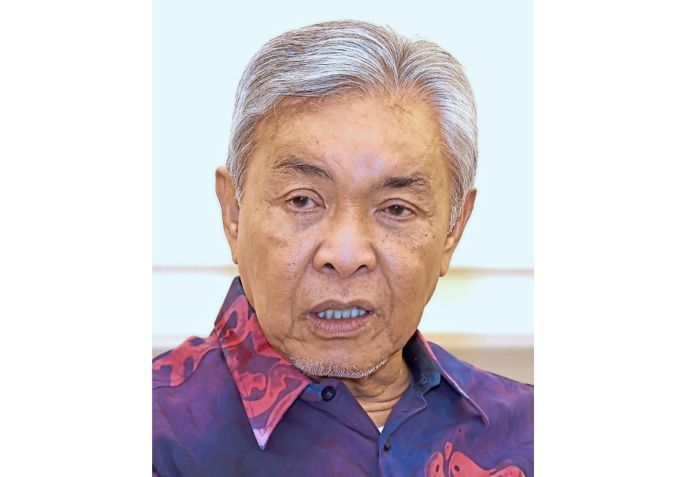
Ahmad Zahid, who serves as Deputy Prime Minister and Rural and Regional Development Minister, emphasized that the new framework intends to clarify the roles of various ministries and agencies. The goal is to create a more efficient system that coordinates social services, healthcare, and education for eligible refugees while maintaining strict oversight of national sovereignty.
“Effective management of refugee issues also requires a balance between enforcement of national laws and the community’s social responsibilities.”
Ahmad Zahid Hamidi, Deputy Prime Minister
Current Population and UNHCR Oversight
The scale of the current population is substantial. As of April 2026, there are more than 219,000 individuals registered with the United Nations High Commissioner for Refugees (UNHCR) office in Kuala Lumpur. This figure includes 66,493 asylum seekers and 152,979 refugees, according to data provided by the Deputy Prime Minister.
The demographic breakdown of this registered population includes 100,184 adult men, 50,474 adult women, 35,345 boys, and 33,469 girls. These individuals originate from approximately 60 countries, including Myanmar, Syria, Pakistan, Yemen, and Afghanistan.
Challenges in Refugee Status Verification
A central tension in the government’s new approach is the current lack of state involvement in the registration process. Ahmad Zahid noted that the government does not verify or determine refugee status, as this process is handled entirely by the UNHCR without government oversight. This has led to concerns that the official registered figures may not accurately reflect the actual number of refugees and asylum seekers present in the country.
Addressing Enforcement and Local Enablers
Beyond the administrative shift, the government is looking to address internal enforcement issues. Ahmad Zahid highlighted that government efforts to manage refugee populations are often hampered by local residents who facilitate the presence of refugees for personal gain, specifically mentioning rental profits or access to cheap labour.
The proposed mechanism aims to address these vulnerabilities by tightening enforcement and policy coordination.
The Path Toward Regional Stability
Worth a look

Macron Seeks Oil Supplies from UAE
French President Emmanuel Macron began a four-nation Gulf tour in Kuwait and Abu Dhabi on Monday, October 19,...

IMF World Bank Meetings Warn of Global Stability Threats
Global finance leaders wrapping up the annual IMF and World Bank meetings in Bangkok on October 18, 2026,...

Israel Flight Diverted to Bulgaria After Bomb Threat
An Austrian Airlines flight carrying 57 people from Tel Aviv to Vienna diverted to Sofia, Bulgaria, on October...
Pakistan to Head International Monetary Fund and World Bank
Pakistan has been selected to chair the Boards of Governors of the International Monetary Fund and the World...