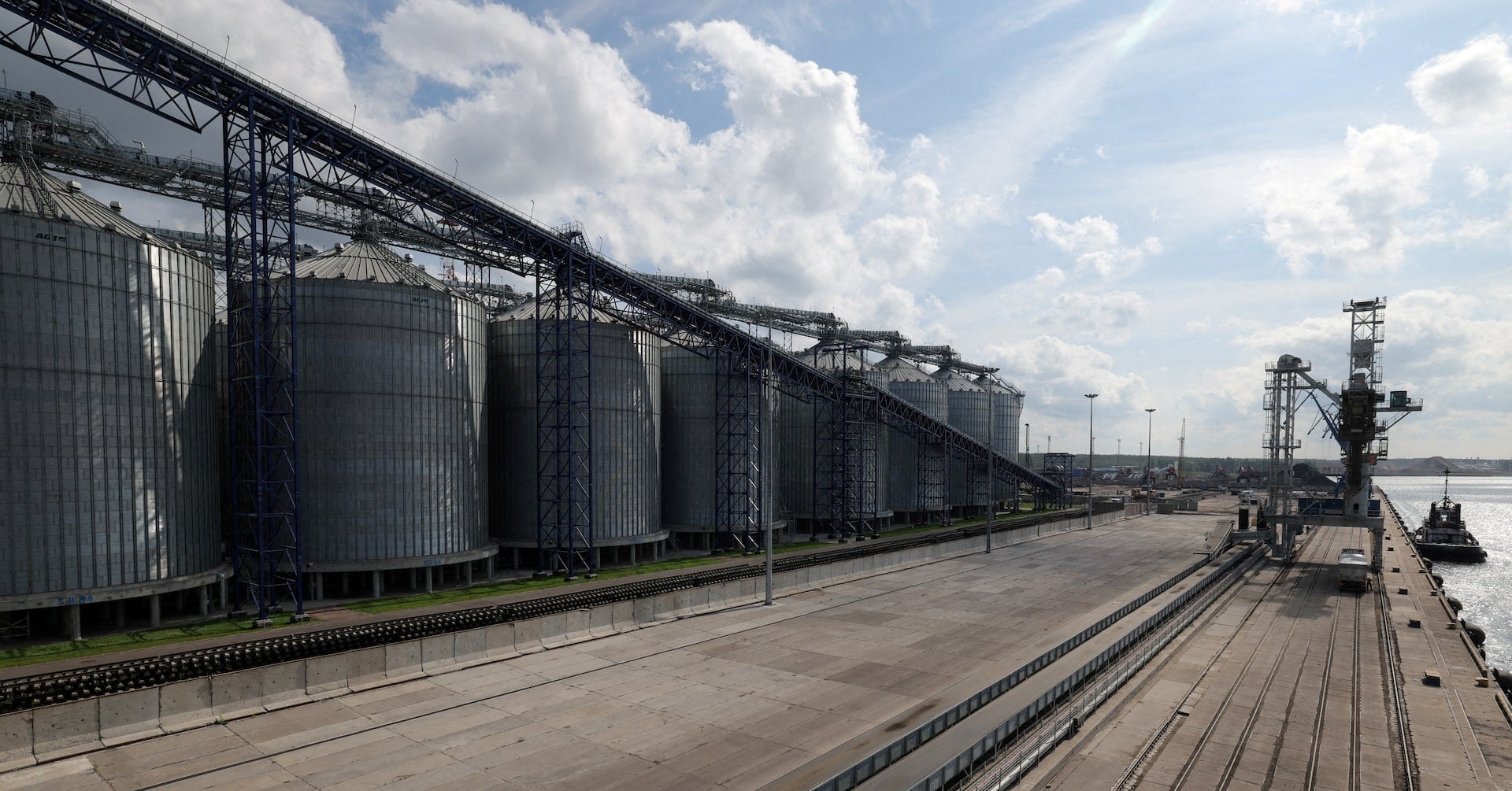
Lithuania, Latvia, and Estonia have petitioned European Union leaders for a bloc-wide ban on Russian grain transit, aiming to choke off alternative export routes that Moscow opened after Ukrainian strikes disrupted its Black Sea ports. Estonian Prime Minister Kristen Michal plans to raise the proposal at the upcoming European Council meeting.
The three Baltic nations escalated their regional restrictions into an international diplomatic push by addressing a joint letter on Friday, October 9, to European Council President António Costa and European Commission President Ursula von der Leyen. The appeal targets grain moving across European transport networks as Moscow redirects agricultural shipments away from contested southern waters.
Joint Letter to EU Leadership Demands End to Transit Channels
The push follows earlier national moves, including an Estonian ban announced the previous week by Estonian Foreign Minister Margus Tsahkna on the transit of Russian and Belarusian grain in response to strikes on Ukrainian ports.
The Baltic appeal specifically addresses this loophole.
“The EU must not become a channel through which Russia compensates for the economic consequences of its own aggression.”
Baltic leaders, via Reuters
The joint letter also urges Brussels to prevent grain unlawfully appropriated from temporarily occupied Ukrainian territories from entering international markets through European infrastructure. Additionally, the European Business Association called on the Ukrainian government to step up diplomatic engagement with Baltic states and EU institutions to prevent further expansion of Russian agricultural exports through Baltic Sea ports, warning of risks related to relabelling, blending, or concealing the origin of goods.
Black Sea Disruptions Drive Russian Cargoes Northward
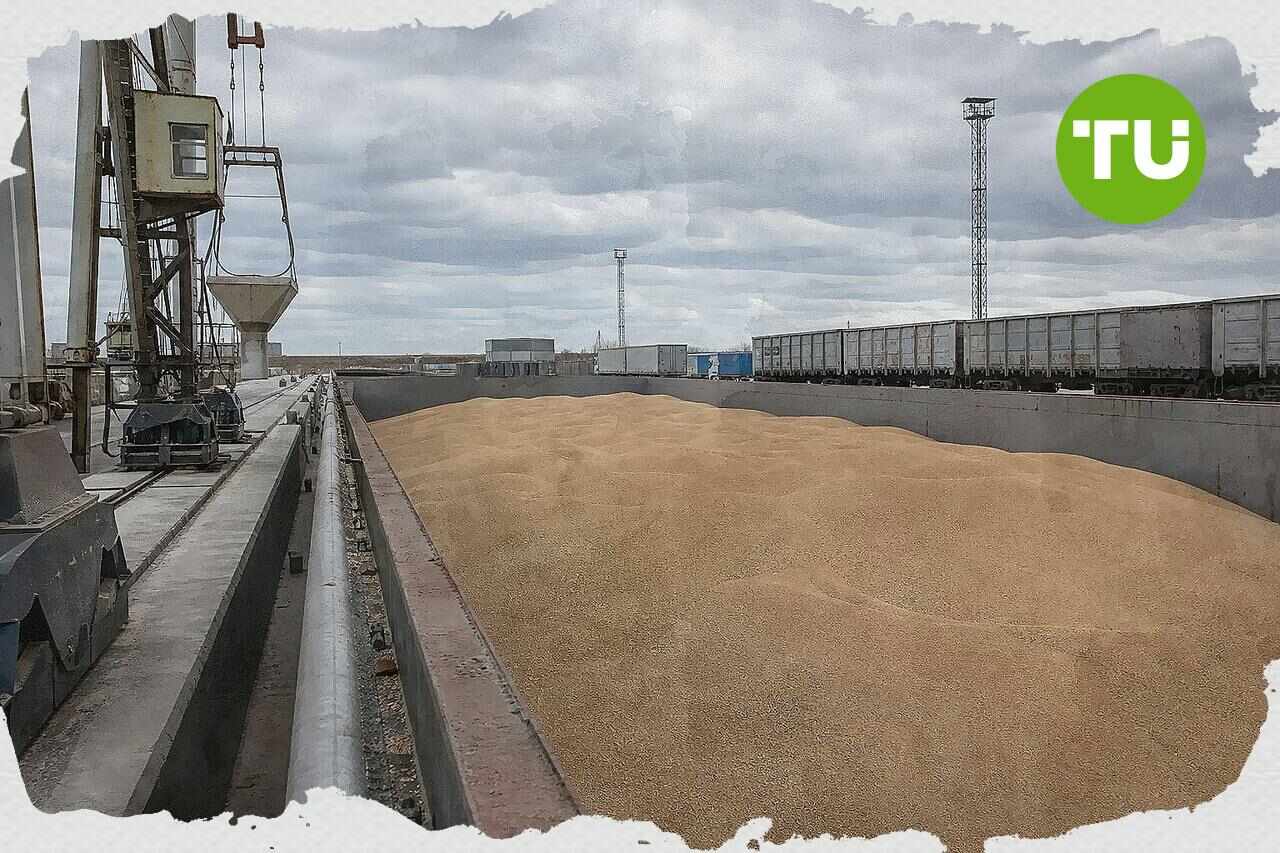
Shipping data illustrates the urgency behind the diplomatic move. Research from broker IFCHOR Galbraiths shows grain loadings surged to 1.16m tonnes in September across Russian Baltic and continental ports, multiplying fivefold from August volumes of 216,000 tonnes. Ust-Luga handled 545,000 tonnes while Vysotsk processed 374,000 tonnes. Murmansk began preparing to handle its first grain cargoes during the month, while longer Baltic voyages toward North African and Mediterranean buyers provided some support for tonne-mile demand and employment for geared bulkers.
At the same time, monitored Russian shipments through the Black Sea and Azov Sea collapsed from 1.39m tonnes down to 201,000 tonnes.
“Russia is bombing Ukrainian ports and preventing Ukrainian grain from reaching the world market, yet at the same time, it wants to profit from transporting its own grain through the European Union. Our infrastructure must not help Russia finance its war. We must increase pressure on the aggressor and help Ukraine bring its goods to the global market.”
Prime Minister Kristen Michal, via Reuters
Economic Realities and Warnings of Budgetary Impact in Latvia
Not all regional analysts view an immediate transit shutdown without friction. Filips Rajevskis, a political scientist and co-founder of Mediju tilts, pointed out that much of the grain moving through Latvia in transit is traded by American commodity firms rather than Russian entities.
Rajevskis warned that an abrupt cutoff could trigger substantial financial penalties, force governments to subsidize local railways and ports, and raise difficult questions about where public spending cuts would need to be made.

Russian embassies in Latvia and Lithuania did not immediately respond to requests for comment.
Kyiv Welcomes the Diplomatic Push as EU Summit Approaches
Ukrainian officials expressed strong approval for the Baltic initiative. Agriculture Minister Taras Vysotskyi thanked the prime ministers of Latvia, Lithuania, and Estonia for launching the EU-level push on October 11, emphasizing the importance of advancing the restriction.
The joint appeal also calls for stronger transport connections through the EU-Ukraine Solidarity Lanes to help Kyiv deliver its own agricultural goods to global markets despite the ongoing Black Sea blockade.
Prime Minister Kristen Michal will bring the proposal directly to the European Council in Brussels, where EU leaders gather for an upcoming summit.
Worth a look
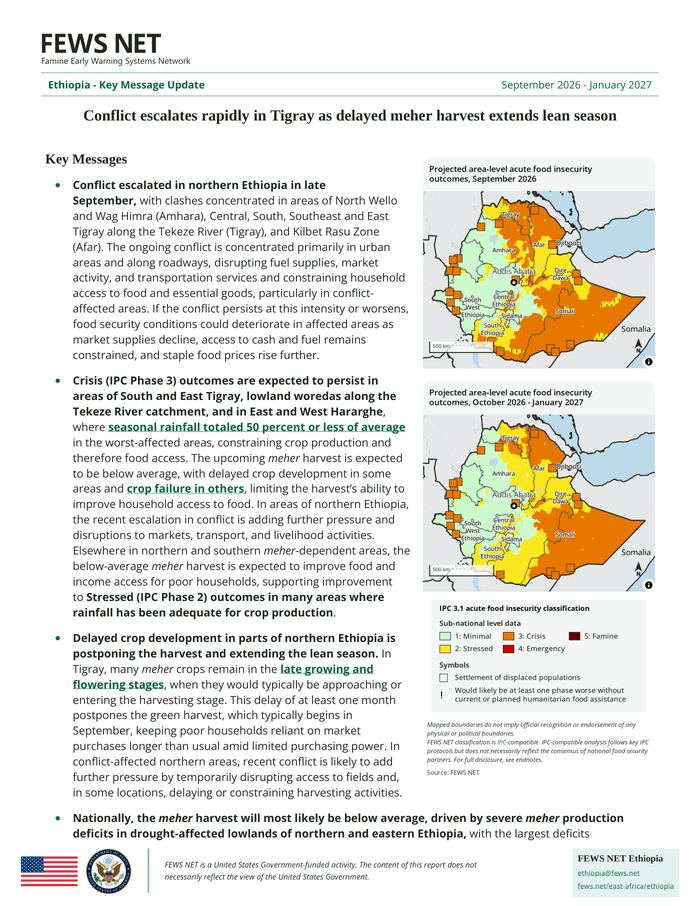
Ethiopian Federal Forces and Intelligence Officials Enter Mekelle
Ethiopian federal forces and intelligence officials entered Mekelle on October 11, 2026, following the withdrawal of rebel groups...
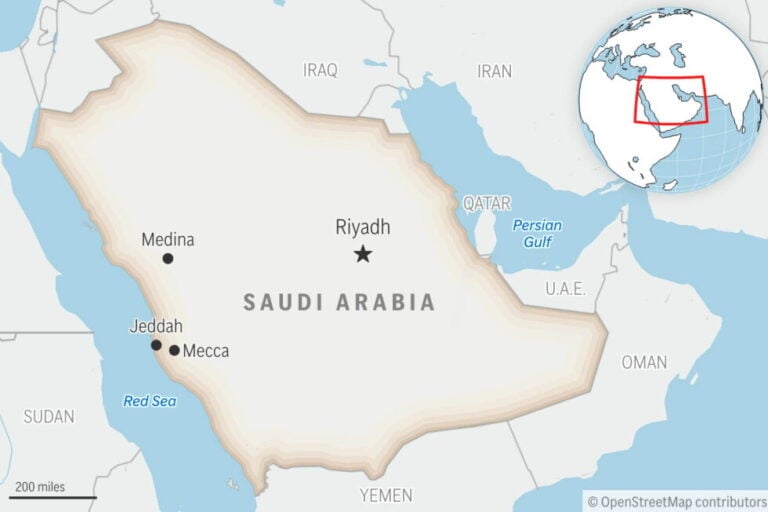
12 Killed in Missile Strike on King Khalid International Airport
Twelve people were killed and more than 300 wounded in a missile strike on Riyadh’s international airport on...

Court Releases Abhijeet Dipke and CJP Leaders in New Delhi on October 11
Following a massive security clampdown and the detention of thousands in New Delhi, a local court ordered the...
Trump says Norway has an ‘indelible stain’ for not awarding him Nobel Peace Prize
Navi Pillay, a South African jurist and former United Nations human rights chief, won the 2026 Nobel Peace...