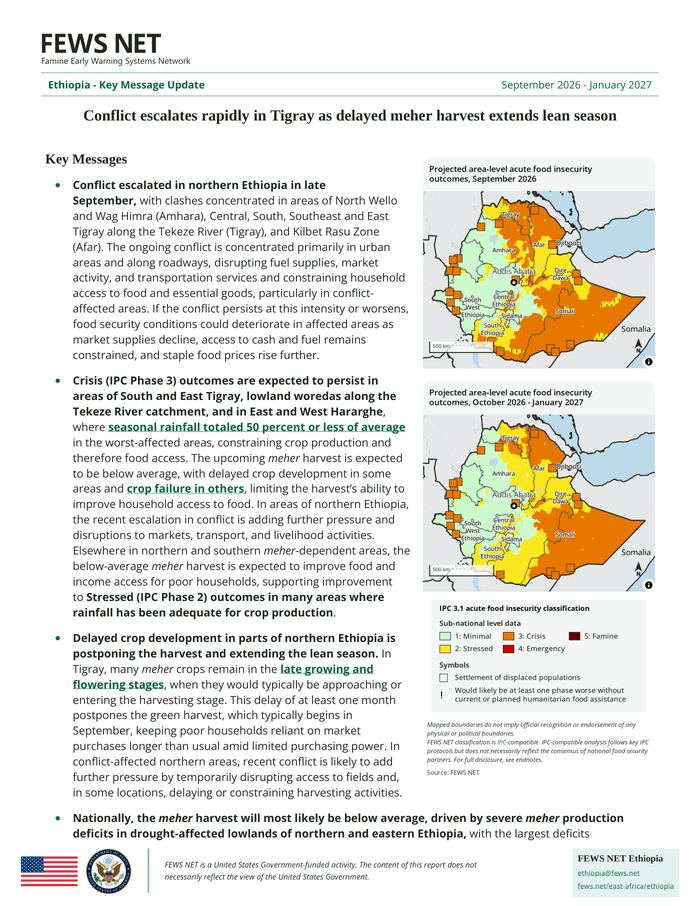
Ethiopian federal forces and intelligence officials entered Mekelle on October 11, 2026, following the withdrawal of rebel groups from the regional capital. The developments change the nature of the renewed conflict that erupted in late September, ending the 2022 Pretoria agreement and sparking regional diplomatic tensions.
Federal Forces Advance and Getachew Reda Returns to Mekelle
The Tigray People’s Liberation Front and allied insurgent groups carried out an orderly exit from Mekelle, describing the retreat as a tactical maneuver to preserve their forces.
High-ranking federal officials arrived in the regional capital on Sunday, October 11, coinciding with the resumption of scheduled flights by Ethiopian Airlines after a three-week suspension driven by the security crisis. Getachew Reda, prime ministerial adviser on East African affairs and a former Tigrayan rebel leader, travelled to Mekelle alongside intelligence chief Redwan Hussein and military commanders.
“I would like to assure you on this occasion that we will bring visible change, a change beyond mere hope,”
Getachew Reda, adviser to Prime Minister Abiy Ahmed
Authorities announced that Tigray will remain under a federal command post for a six-month transition period.
Renewed Warfare Dissolves Pretoria Ceasefire
The renewed warfare has effectively dissolved the fragile peace established by the 2022 Pretoria ceasefire, which ended a devastating two-year conflict that left hundreds of thousands dead and millions displaced. Prior to the latest outbreak, the TPLF joined an opposition coalition alongside six other regional groups under an Alliance for Survival aimed at removing Prime Minister Abiy Ahmed’s federal administration.
The domestic escalation has rapidly pulled in neighbouring states, triggering diplomatic crises across the Horn of Africa. Ethiopia has accused neighbouring Eritrea of sending troops across the border and occupying northern territories in support of the TPLF. Asmara rejected the accusations, with Eritrean Foreign Minister Osman Saleh condemning what he termed an unprovoked declaration of war
by Addis Ababa. Diplomatic ties between Ethiopia and Eritrea have frayed sharply, with both nations expelling diplomats and closing embassies.
Meanwhile, broader regional alignments continue to complicate security. Cairo remains sharply opposed to the Grand Ethiopian Renaissance Dam on the Nile and Prime Minister Abiy’s push for sovereign access to the Red Sea. While Egypt, Sudan, and Eritrea have denied accusations from Addis Ababa of providing direct military backing to insurgent forces, analysts warn that the shifting frontlines carry severe implications for regional stability.
Humanitarian Toll and Agricultural Disruptions in Northern Ethiopia
The sudden return to large-scale hostilities has exacerbated an already fragile humanitarian situation across northern Ethiopia, arriving as communities were slowly recovering from the destruction of the 2020–2022 conflict.

Catholic bishops in Ethiopia echoed an appeal for peace from Pope Leo XIV, warning that vulnerable populations—including children, women, the elderly, and the sick—are bearing the heaviest toll of the violence. ReliefWeb data indicates that renewed fighting has disrupted fuel supplies, market access, and transportation routes across Amhara, Afar, and Tigray.
Agricultural production has faced compounding pressures from delayed seasonal rainfall, regional conflict, and global economic strains. In parts of northern Ethiopia, crop development has been delayed by at least one month, postponing the green harvest and keeping impoverished households reliant on inflated market purchases amid shrinking purchasing power.
Border Disputes Echo Previous Ethiopia Eritrea War
The current hostilities carry historical echoes of previous border disputes between Ethiopia and Eritrea, which gained independence in 1993 before fighting a deadly border war from 1998 to 2000. Following the 2018 peace deal that earned Prime Minister Abiy the Nobel Peace Prize, relations between Addis Ababa and Asmara initially warmed, only to rupture again as regional politics shifted.
Researchers analyzing the Horn of Africa have noted that the Eritrean regime and aligned hardliners share an overriding interest in keeping active fighting away from their own territories. By encouraging engagements within Tigray and neighboring regions, external actors have heavily influenced the geography of the war.
Violence Threatens to Destabilize East Africa
The renewed violence has heightened anxieties over potential cross-border spillover into neighboring Sudan, South Sudan, and beyond. Aid workers operating in border regions report that ongoing instability in Ethiopia compounds an already severe humanitarian crisis across East Africa, where millions remain internally displaced or food insecure.
UN Secretary-General António Guterres urged all combatants to cease hostilities immediately and return to negotiations, warning that further escalation could destabilize the entire region. Despite these appeals, leaders from the TPLF have maintained their defiance, pledging to confront federal troops on terms of their own choosing as the situation remains highly fluid.
Worth a look
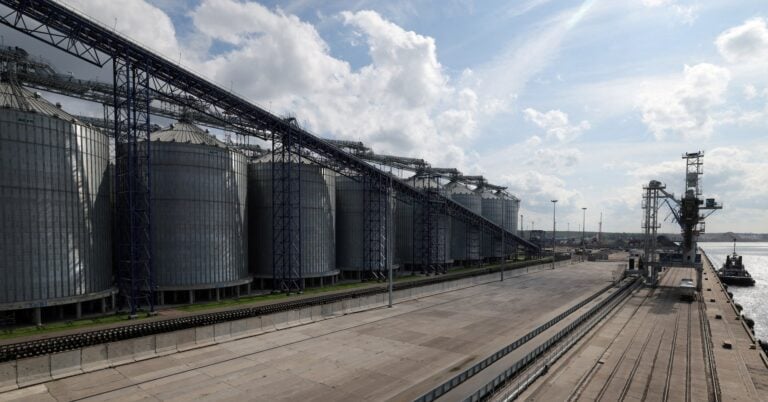
Baltic States Urge EU-Wide Ban on Russian Grain Transit
Lithuania, Latvia, and Estonia have petitioned European Union leaders for a bloc-wide ban on Russian grain transit, aiming...
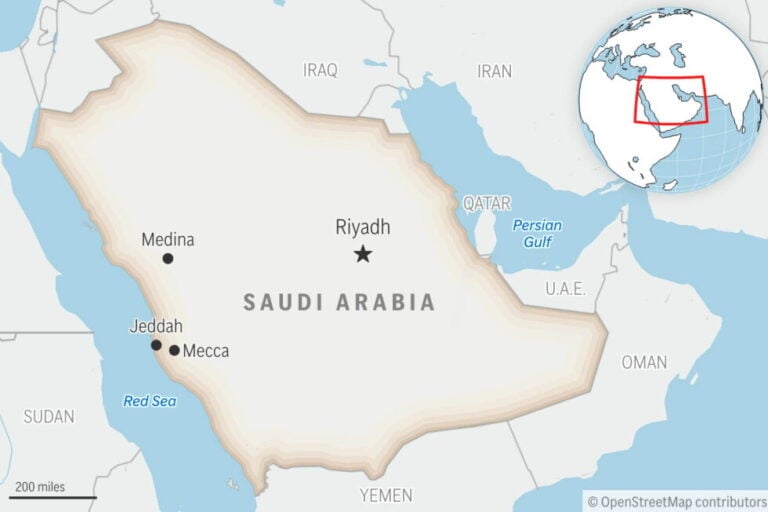
12 Killed in Missile Strike on King Khalid International Airport
Twelve people were killed and more than 300 wounded in a missile strike on Riyadh’s international airport on...
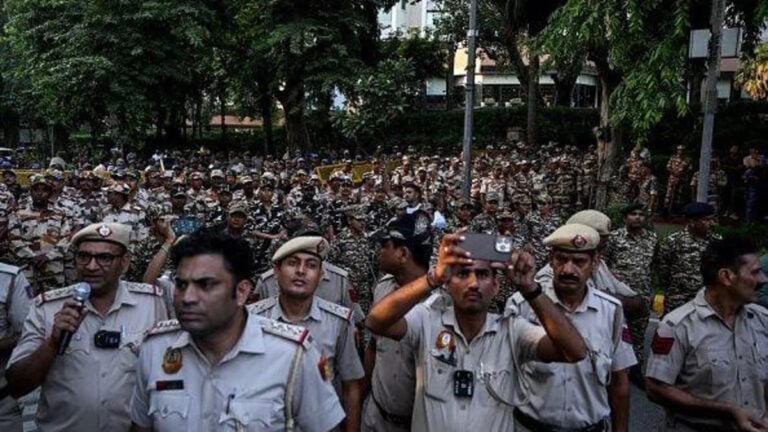
Court Releases Abhijeet Dipke and CJP Leaders in New Delhi on October 11
Following a massive security clampdown and the detention of thousands in New Delhi, a local court ordered the...

Trump says Norway has an ‘indelible stain’ for not awarding him Nobel Peace Prize
Navi Pillay, a South African jurist and former United Nations human rights chief, won the 2026 Nobel Peace...