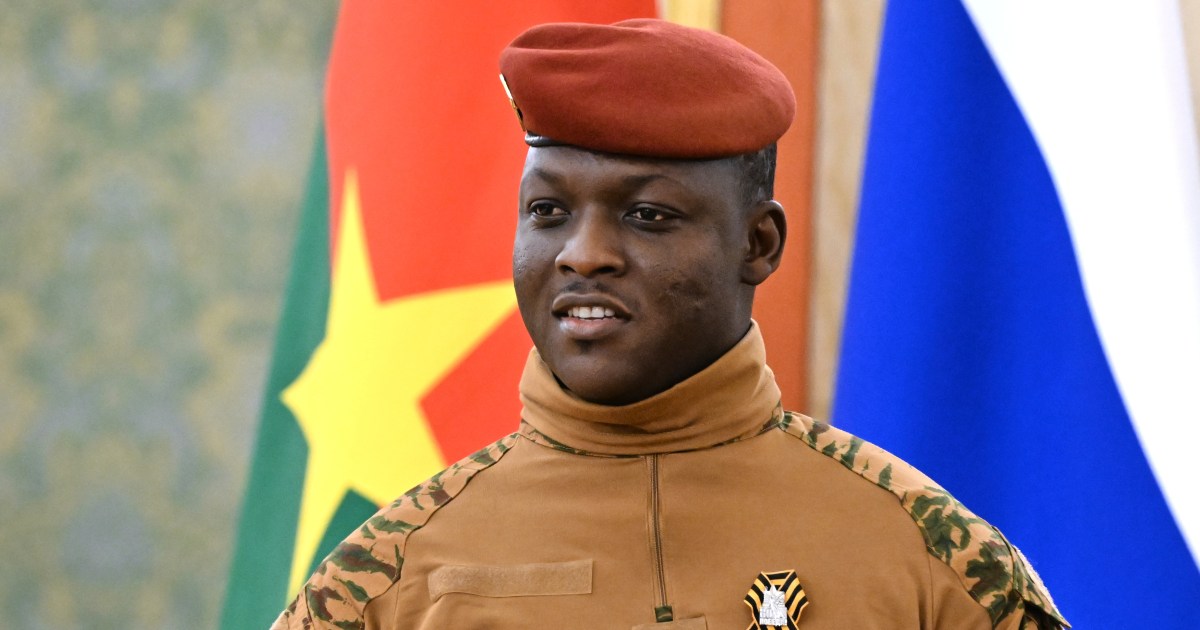
Burkina Faso’s military leader, Captain Ibrahim Traoré, has declared that the battle has begun
against what he described as “radical Islam,” marking a significant escalation in a growing confrontation with influential Muslim scholars. According to the Newarab report, Traoré warned during an address to Muslim scholars that individuals promoting extremist interpretations of Islam would face state action.
Burkina Faso Leader Declares Battle on Extremism Amid Rising Tensions
If this is your Islam, we will fight it. Extremists must change. If they do not, the battle has begun,
Traoré stated, as reported by Al Jazeera. The transitional leader defended the government’s stance, asserting that religion should spread through example rather than coercion or violence, while accusing foreign powers of exploiting religion to destabilize the country.
Controversial Religious Freedoms Law and Crackdown on Imams
The escalating friction coincides with the passage of the Religious Freedoms Law, which was adopted unanimously by Burkina Faso’s transitional parliament on June 20. The legislation introduces prison terms and fines for practices categorized by authorities as religious abuses, including the forced begging of children and failures by religious organizations to comply with financial transparency requirements.
While the government maintains that the law reinforces the country’s secular constitutional order, critics argue it is part of a broader campaign to tighten state control over religious institutions. The confrontation has strained relations between the junta and sections of the Muslim community that initially supported Traoré’s rise to power after he seized power in 2022.

Tensions boiled over following the late May arrest of Imam Mohamed Ishaq Kindo, one of the country’s most prominent Sunni scholars, who had criticized the draft Religious Freedoms Law. Following protests demanding his release, authorities closed the largest Sunni mosque in the capital, Ouagadougou, citing public order concerns. According to Agence France-Presse (AFP), approximately 100 of Kindo’s supporters were transferred to a military camp for civic training,
while the Dakar-based Timbuktu Institute reported his current whereabouts remain unknown. Kindo’s detention followed the mid-April arrest of Imam Mahmoud Barro in Bobo-Dioulasso under similar circumstances.
Government Directives on Foreign Religious Education
In addition to domestic legislative measures, the government has tightened controls on citizens studying abroad. Traoré announced plans to recall more than 800,000 Burkinabè students studying Islamic law in Arab countries, claiming they were pursuing religious education without acquiring practical professional skills. He warned that individuals refusing to return could risk losing their citizenship.
This announcement followed a late June government directive requiring students seeking to study abroad to obtain prior approval from the Ministry of Higher Education to better align overseas programs with national development priorities. Traoré also warned that imams using sermons to spread extremist ideas would face suspension.
Regional Criticisms and Broader Political Implications
The government’s hardline approach has drawn outside criticism. Nigeria’s Islamic scholar, Sheikh Ahmad Gumi, criticized Traoré in a social media post, arguing that the 38-year-old leader is too young and inexperienced to fully comprehend the complexities of Sharia law, society, and geopolitics. Gumi warned that Traoré’s approach could inadvertently provide extremist groups with opportunities to exploit public sentiment and recruit new members.
The confrontation opens a new front for a government already facing a persistent armed insurgency. Meanwhile, Israeli security agencies have expanded cooperation with the Alliance of Sahel States—comprising Burkina Faso, Mali, and Niger—whose military governments have expressed interest in Israeli security technology as authorities attempt to reinforce state authority.
Worth a look
Canada Seeks Unique EU Alliance Amid US Trade War
Canadian Prime Minister Mark Carney addressed reporters in Toronto on Sunday, outlining a new diplomatic and economic direction...
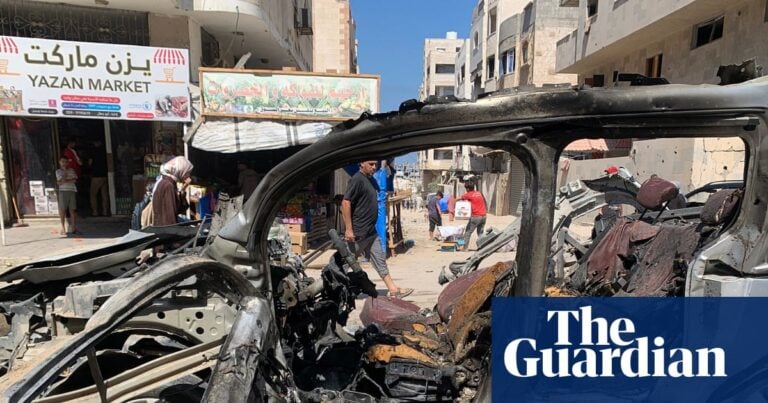
Israeli Attacks in Gaza Kill Pregnant Woman and 10 Others
A pregnant Palestinian woman was shot and killed by Israeli forces in southern Gaza as artillery shelling and...
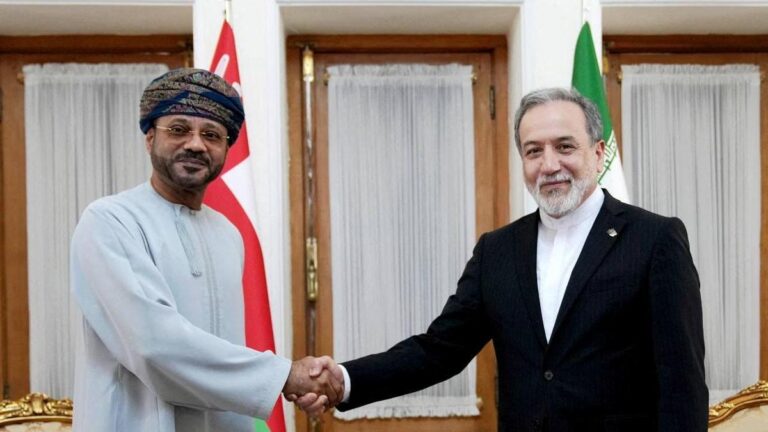
Iran and Gulf Nations Postpone Oman Talks Over Regional Consensus
The delay comes as oil prices fluctuate, U.S. economic sanctions expand, and military tensions in the region escalate...
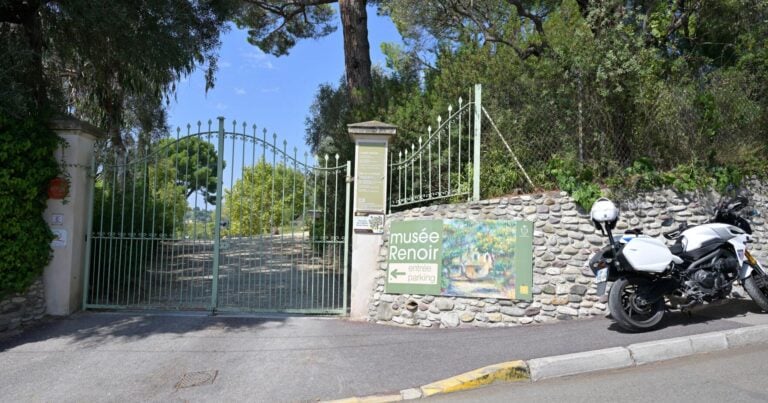
After Louvre Heist, Robberies Continue at French Museums
Following a dramatic daytime heist at the Louvre, a string of break-ins has struck museums and churches across...